A healthy menstrual cycle is a reflection of your overall well-being. While hormones play the biggest role in regulating periods, your daily lifestyle choices—especially your diet and exercise routine—can significantly influence menstrual health. Whether you’re experiencing irregular periods, painful cramps, or changes in menstrual flow, understanding the connection between nutrition, physical activity, and your menstrual cycle can help you make informed choices.
In this article, we’ll explore how diet and exercise impact periods and share practical tips for maintaining a healthy menstrual cycle.
Understanding the Menstrual Cycle
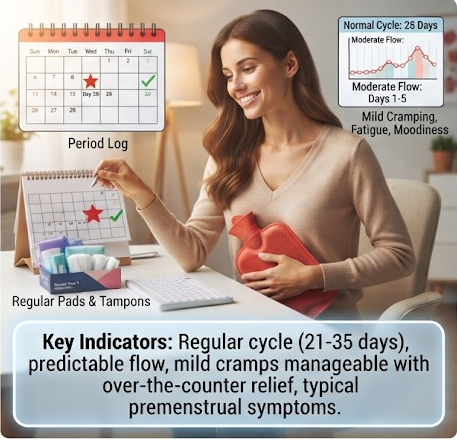
The menstrual cycle is controlled by a delicate balance of hormones, including estrogen and progesterone. A typical cycle lasts between 21 and 35 days, although it varies from person to person. Factors such as stress, sleep, nutrition, weight, and physical activity can affect hormone production, leading to changes in your cycle.
Maintaining a healthy lifestyle helps support hormone balance and promotes regular menstrual cycles.
How Diet Affects Your Periods
1. Nutrient-Rich Foods Support Hormonal Balance
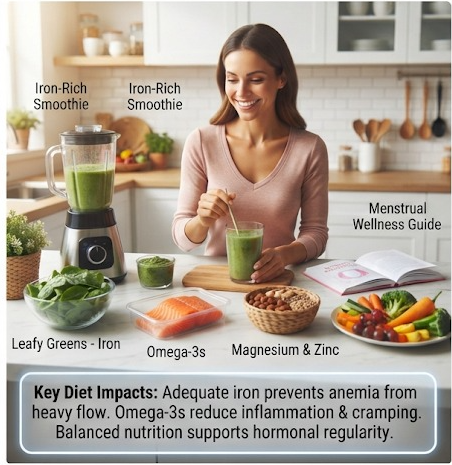
Eating a balanced diet provides the vitamins and minerals needed for hormone production. Foods rich in iron, magnesium, calcium, vitamin D, and omega-3 fatty acids help reduce menstrual discomfort and support reproductive health.
Good food choices include:
- Leafy green vegetables
- Whole grains
- Lean proteins
- Nuts and seeds
- Fatty fish
- Fresh fruits
These foods also help maintain energy levels during menstruation.
2. Poor Nutrition Can Cause Irregular Periods
Crash dieting, skipping meals, or consuming excessive processed foods may disrupt hormone production. Insufficient calorie intake signals the body to conserve energy, which can delay or even stop ovulation. As a result, periods may become irregular or disappear temporarily.
Women with nutritional deficiencies are also more likely to experience fatigue, heavy bleeding, and painful menstrual cramps.
3. Hydration Matters
Drinking enough water helps reduce bloating, supports digestion, and may ease menstrual cramps. Staying hydrated also helps your body function efficiently throughout the menstrual cycle.

How Exercise Influences Menstrual Health
Regular Exercise Has Positive Effects
Moderate exercise offers several benefits for menstrual health, including:
- Improved blood circulation
- Reduced stress levels
- Better hormone regulation
- Less severe menstrual cramps
- Improved mood and energy
Activities like walking, swimming, cycling, yoga, and strength training can help maintain a healthy menstrual cycle while improving overall fitness.
Excessive Exercise Can Disrupt Periods
Although exercise is beneficial, excessive physical activity combined with low calorie intake may lead to hormonal imbalances. This condition is common among endurance athletes and individuals who train intensely without adequate nutrition.
Overtraining may cause:
- Missed periods (amenorrhea)
- Delayed ovulation
- Irregular menstrual cycles
- Reduced estrogen levels
Maintaining a balance between exercise intensity and nutritional intake is essential for reproductive health.
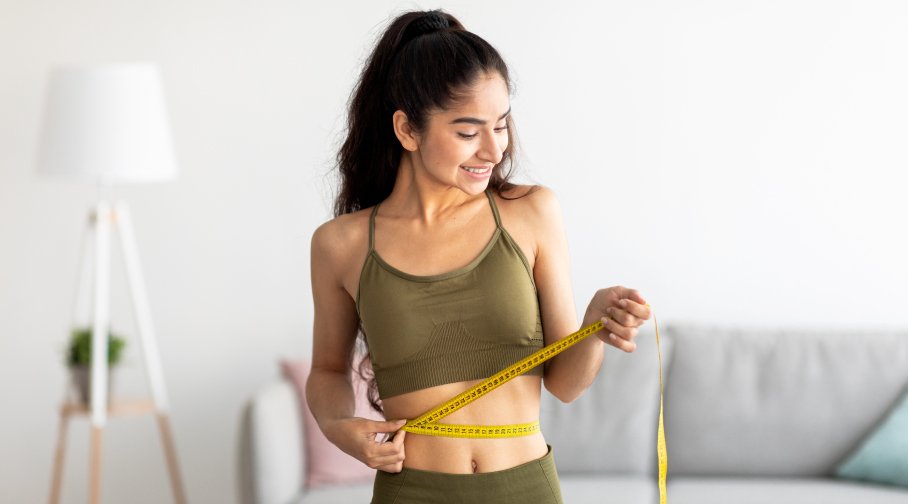
Body Weight and Menstrual Cycles
Both underweight and overweight individuals may experience menstrual irregularities.
Being underweight can reduce estrogen production, making periods lighter or absent. On the other hand, excess body fat may increase estrogen levels, leading to heavy bleeding, irregular cycles, or prolonged periods.
Achieving and maintaining a healthy weight through balanced eating and regular exercise supports hormonal stability.
Foods That May Help During Menstruation
Certain foods can help ease common menstrual symptoms:
- Bananas for potassium and muscle relaxation
- Dark chocolate for magnesium
- Ginger to reduce nausea and inflammation
- Yogurt for calcium and gut health
- Salmon for omega-3 fatty acids
- Spinach for iron replacement after blood loss
Limiting excessive caffeine, sugary snacks, alcohol, and highly processed foods may also help reduce bloating and mood swings.
Lifestyle Tips for Healthier Periods
Everyday routines that are easy to follow can have a visible impact:
- Eat balanced meals consistently.
- Stay hydrated throughout the day.
- Exercise moderately most days of the week.
- Get 7–9 hours of quality sleep.
- Practice stress-management techniques like meditation or yoga.
- Avoid extreme diets or overtraining.
- Consult a healthcare professional if periods suddenly become irregular or stop.
These habits support overall wellness and encourage a more predictable menstrual cycle.
The relationship between diet, exercise, and menstrual health is stronger than many people realize. A nutritious diet provides the building blocks for healthy hormone production, while regular physical activity supports circulation, stress management, and overall reproductive function. However, excessive exercise or poor nutrition can disrupt the delicate hormonal balance needed for regular periods.
By focusing on balanced eating, moderate exercise, proper hydration, and healthy lifestyle habits, you can support a healthier menstrual cycle and improve your overall well-being. If you experience persistent menstrual irregularities, severe pain, or missed periods, seek advice from a qualified healthcare provider to identify any underlying medical conditions and receive appropriate treatment.
Liver Cancer Symptoms Cause and Remedy
Read Also: Medical Website Design