
A regular menstrual cycle is an important indicator of overall reproductive health. While occasional changes in cycle length or flow are common, sudden cycle irregularities can sometimes signal underlying physical, hormonal, or lifestyle-related issues. Understanding the possible causes can help women take the right steps toward maintaining their health and seeking medical advice when necessary.
In this article, we explore the most common causes of sudden cycle irregularities, their symptoms, and practical ways to manage them.
What Are Sudden Cycle Irregularities?
A menstrual cycle is considered irregular when there is an unexpected change in its timing, duration, or flow. This may include:
- Periods arriving earlier or later than usual
- Missed menstrual cycles
- Extremely heavy or light bleeding
- Spotting between periods
- Menstrual cycles lasting less than 21 days or more than 35 days
Although a single irregular period is often harmless, repeated irregularities deserve attention.
Hormonal Imbalances
Hormones play a major role in regulating the menstrual cycle. Any imbalance in hormones such as estrogen, progesterone, luteinizing hormone (LH), or follicle-stimulating hormone (FSH) can disrupt ovulation and affect the menstrual cycle.
Hormonal changes may occur due to puberty, approaching menopause, thyroid disorders, or certain medical conditions. Identifying and treating the underlying hormonal issue often restores regular cycles.
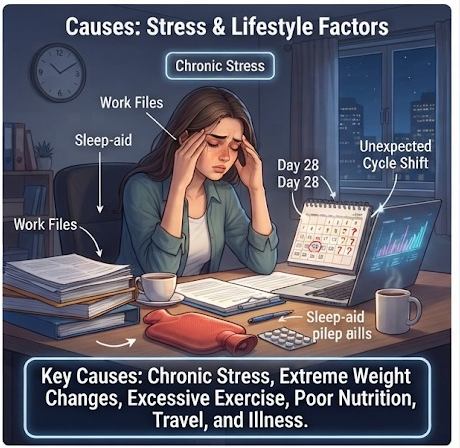
Stress and Emotional Health
Physical and emotional stress can significantly affect menstrual health. High stress levels increase cortisol production, which can interfere with reproductive hormones responsible for ovulation.
Common stress-related triggers include:
- Work pressure
- Financial concerns
- Family issues
- Sleep deprivation
- Anxiety and depression
Managing stress through relaxation techniques, exercise, and adequate sleep can help restore hormonal balance.
Sudden Weight Changes
Rapid weight loss or gain can disrupt the body’s hormone production. Low body fat may reduce estrogen levels, while obesity can lead to excess estrogen production. Both situations may result in delayed, missed, or irregular periods.
Maintaining a healthy weight through balanced nutrition and regular physical activity supports a stable menstrual cycle.
Polycystic Ovary Syndrome (PCOS)
One of the leading causes of irregular menstrual cycles is Polycystic Ovary Syndrome (PCOS). This hormonal disorder affects ovulation, causing infrequent or absent periods.
Other symptoms of PCOS include:
- Acne
- Excess facial or body hair
- Weight gain
- Difficulty conceiving
- Ovarian cysts
Timely identification and appropriate therapy can effectively control symptoms.
Thyroid Disorders
The thyroid gland controls many body functions, including metabolism and hormone regulation. Both hypothyroidism and hyperthyroidism can interfere with menstrual cycles.
Symptoms may include:
- Fatigue
- Weight fluctuations
- Hair loss
- Mood changes
- Irregular menstrual bleeding
A simple blood test can help diagnose thyroid-related conditions.
Pregnancy and Breastfeeding
Pregnancy is a frequent cause of a skipped menstrual cycle. Similarly, breastfeeding increases prolactin levels, which suppress ovulation and may delay the return of regular menstrual cycles.
If a period is unexpectedly missed and pregnancy is possible, taking a pregnancy test is recommended.
Certain Medications
Some medications can affect menstrual regularity, including:
- Hormonal contraceptives
- Blood thinners
- Steroid medications
- Antidepressants
- Chemotherapy drugs
If irregular periods begin after starting a new medication, consult a healthcare professional before making any changes.
Excessive Exercise
Engaging in consistent physical activity is advantageous for general well-being; however, an abundance of exercise can inhibit the production of reproductive hormones, particularly in athletes or those with extremely low levels of body fat.
Moderate exercise combined with adequate nutrition usually supports healthy menstrual function.
Perimenopause
Women in their 40s may begin experiencing perimenopause, the transition before menopause. During this phase, hormone levels fluctuate, leading to irregular cycles, lighter or heavier bleeding, hot flashes, and mood swings.
Although this is a natural stage of life, medical advice can help manage symptoms comfortably.
When Should You See a Doctor?
Medical evaluation is recommended if you experience:
- Missing periods for three months or longer
- Extremely heavy bleeding
- Severe pelvic pain
- Bleeding between periods
- Menstrual cycles consistently shorter than 21 days or longer than 35 days
- Sudden irregularity accompanied by dizziness or weakness
Early diagnosis can help identify underlying conditions before they become more serious.
Tips to Maintain a Healthy Menstrual Cycle
Healthy lifestyle habits can improve menstrual regularity:
- Eat a balanced, nutrient-rich diet.
- Maintain a healthy body weight.
- Exercise regularly without overtraining.
- Get 7–9 hours of sleep each night.
- Manage stress through meditation or relaxation techniques.
- Schedule regular health checkups.
- Track your menstrual cycle using a journal or mobile app.
Sudden cycle irregularities can occur for many reasons, ranging from temporary stress and lifestyle changes to hormonal disorders and medical conditions. While occasional changes are usually normal, persistent irregularities should never be ignored. Paying attention to your menstrual health, maintaining healthy habits, and seeking timely medical guidance can help ensure your reproductive system remains healthy and functioning properly.
By understanding the causes of sudden cycle irregularities, women can make informed decisions about their health and receive appropriate care whenever necessary.
Liver Cancer Symptoms Cause and Remedy
Read Also: Medical Website Design