Menstrual cycles are an important indicator of overall reproductive health. While every woman experiences periods differently, understanding the difference between normal vs irregular period symptoms can help identify potential health concerns early. Occasional changes in your cycle are common due to stress, diet, or lifestyle, but persistent irregularities may require medical attention.
This guide explains what is considered a normal period, the signs of an irregular cycle, and when you should consult a healthcare professional.
What Is a Normal Menstrual Period?
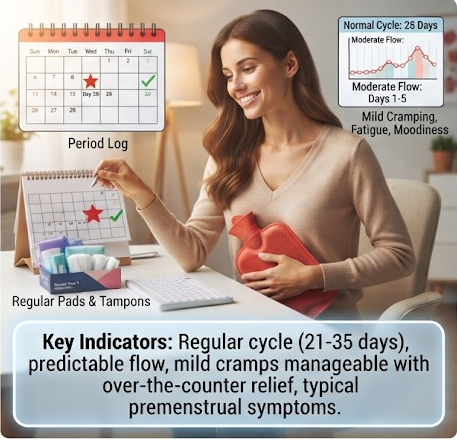
A normal menstrual cycle typically occurs every 21 to 35 days and lasts between 2 to 7 days. The amount of bleeding may vary from person to person, but it should remain relatively consistent from one cycle to the next.
Common normal period symptoms include:
- Mild to moderate abdominal cramps
- Breast tenderness
- Mood changes before menstruation
- Bloating
- Fatigue
- Mild lower back pain
- Light to moderate blood flow
Typically, these symptoms get better in a short time and do not have a major impact on daily tasks.
What Are Irregular Period Symptoms?
An irregular period is one that consistently falls outside your usual menstrual pattern. It might include alterations in timing, the amount of bleeding, or the length of your menstrual cycle.
Common irregular period symptoms include:
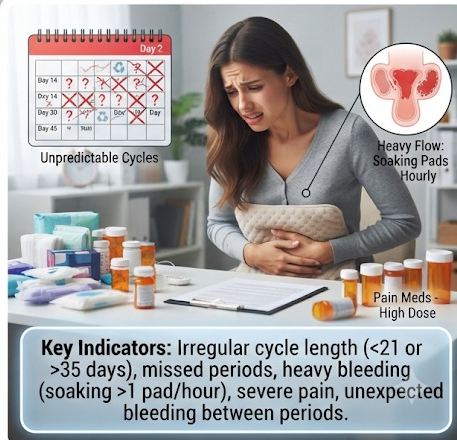
- Periods occurring less than 21 days apart or more than 35 days apart
- Missing periods for several months
- Extremely heavy bleeding that requires changing pads or tampons every hour
- Very light or spotting-only periods
- Bleeding between menstrual cycles
- Periods lasting longer than seven days
- Severe pelvic pain or intense cramps
- Large blood clots during menstruation
If these symptoms occur repeatedly, they may indicate an underlying medical condition.
Common Causes of Irregular Periods
Several factors can affect your menstrual cycle. Some are temporary, while others require medical treatment.
Common causes include:
- Hormonal imbalances
- Stress and anxiety
- Sudden weight gain or weight loss
- Excessive exercise
- Poor nutrition
- Pregnancy
- Breastfeeding
- Polycystic ovary syndrome (PCOS)
- Thyroid disorders
- Perimenopause
Certain medications and medical conditions can also contribute to irregular menstrual cycles.
Normal vs Irregular Period Symptoms-Key Differences
Understanding the differences makes it easier to monitor your menstrual health.
Normal Period Symptoms
- Predictable monthly cycle
- Bleeding lasts 2–7 days
- Slight discomfort that gets better with either rest or medication
- Consistent blood flow
- Minimal impact on daily activities
Irregular Period Symptoms
- Unpredictable cycle length
- Very heavy or very light bleeding
- Severe pain that disrupts daily life
- Bleeding between periods
- Missed periods without pregnancy
- Frequent changes in cycle pattern
Tracking your cycle using a calendar or menstrual app can help identify unusual changes over time.
When Should You See a Doctor?
While occasional irregularities are common, you should seek medical advice if you experience:
- No period for three consecutive months (without pregnancy)
- Heavy bleeding lasting longer than seven days
- Severe pelvic pain
- Bleeding after menopause
- Bleeding between periods
- Feeling lightheaded or very tired because of a reduction in blood volume
- Menstrual cycles that suddenly become highly irregular
Early diagnosis can help manage underlying conditions and prevent complications.
Tips for Maintaining a Healthy Menstrual Cycle
Healthy lifestyle habits often support regular menstrual cycles.
- Eat a balanced, nutrient-rich diet.
- Maintain a healthy body weight.
- Exercise regularly without overtraining.
- Manage stress through meditation or relaxation techniques.
- Get adequate sleep every night.
- Stay hydrated.
- Attend regular gynecological checkups.
Keeping track of your menstrual cycle also helps detect changes before they become serious.
Knowing the difference between normal vs irregular period symptoms empowers you to take better care of your reproductive health. Mild cramps, consistent bleeding, and predictable cycles are generally considered normal. However, frequent missed periods, excessive bleeding, severe pain, or bleeding between periods should never be ignored.
If your menstrual cycle changes suddenly or symptoms persist, consult a qualified healthcare provider for proper evaluation and treatment. Early medical care can help identify underlying conditions and support long-term reproductive wellness.
Liver Cancer Symptoms Cause and Remedy
Read Also: Medical Website Design