The menstrual cycle is an innate procedure that readies the female body for potential pregnancy on a monthly basis. Two of its most important stages are the follicular phase and the luteal phase. Although both are essential for reproductive health, they differ significantly in terms of hormones, physical changes, fertility, and symptoms. Understanding these differences can help women track their cycles, improve fertility awareness, and better manage menstrual health.
What Is the Follicular Phase?
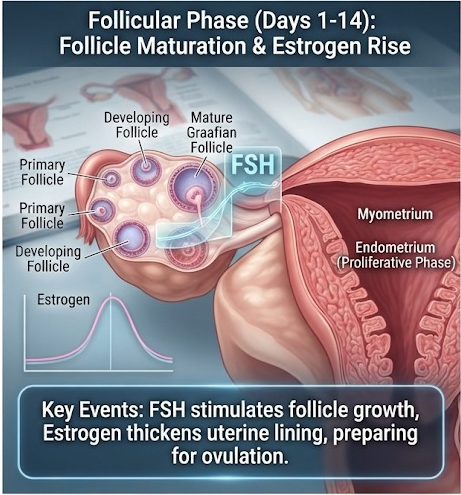
The follicular phase begins on the first day of menstruation and continues until ovulation. It is the longest phase of the menstrual cycle, typically lasting 10 to 21 days, although the average is around 14 days.
During this phase, the brain releases follicle-stimulating hormone (FSH), encouraging several ovarian follicles to grow. One follicle eventually becomes dominant and releases a mature egg during ovulation. At the same time, estrogen levels rise, helping rebuild the uterine lining after menstruation.
Common Symptoms During the Follicular Phase
Women often experience:
- Increased energy levels
- Improved mood
- Better concentration
- Higher motivation
- Clearer skin
- Increased libido as ovulation approaches
These changes are mainly due to rising estrogen levels.
What Is the Luteal Phase?
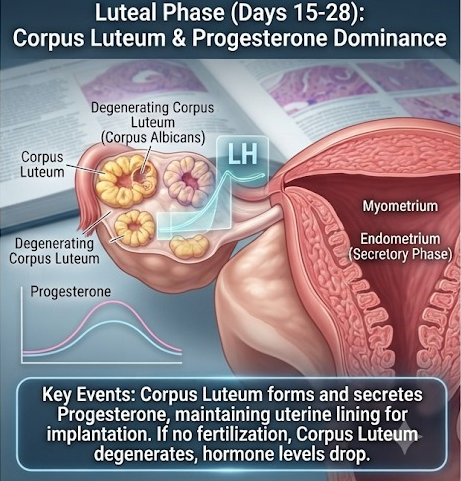
The luteal phase begins immediately after ovulation and lasts until the next menstrual period. Unlike the follicular phase, its length is relatively consistent, lasting 12 to 14 days for most women.
After the egg is released, the empty follicle transforms into the corpus luteum, which produces progesterone. This hormone thickens and maintains the uterine lining, preparing it for the implantation of a fertilized egg. If pregnancy does not occur, progesterone levels fall, triggering menstruation and the start of a new cycle.
Common Symptoms During the Luteal Phase
Many women notice symptoms such as:
- Bloating
- Breast tenderness
- Mood swings
- Fatigue
- Food cravings
- Mild acne
- Premenstrual syndrome (PMS)
These symptoms result from hormonal fluctuations, particularly rising and falling progesterone levels.
Follicular Phase vs Luteal Phase-Main Differences
The follicular phase focuses on egg development and increasing fertility, while the luteal phase prepares the uterus for a possible pregnancy.
Some key differences include:
- Duration: Follicular phase varies in length, whereas the luteal phase usually lasts 12–14 days.
- Primary Hormone: Estrogen dominates the follicular phase, while progesterone is the dominant hormone during the luteal phase.
- Purpose: The follicular phase matures the egg, while the luteal phase supports potential implantation.
- Energy Levels: Women often feel more energetic during the follicular phase and calmer or more fatigued during the luteal phase.
- Fertility: Fertility peaks near the end of the follicular phase and around ovulation, while it declines during the luteal phase.
Why Understanding These Phases Matters
Understanding your position in your menstrual cycle can offer valuable information about your body. Women trying to conceive can identify their fertile window more accurately, while those managing PMS or hormonal symptoms can anticipate physical and emotional changes.
Cycle tracking can also help detect irregularities, making it easier to discuss concerns with a healthcare provider. Monitoring symptoms over several months may reveal patterns that support better health decisions.
Tips for Supporting Each Phase
During the follicular phase, prioritize regular exercise, balanced meals, and activities that require focus and creativity, as energy levels are generally higher.
During the luteal phase, aim for adequate sleep, stress management, hydration, and nutrient-rich foods containing magnesium, vitamin B6, and healthy fats. Gentle exercise such as walking or yoga may also help reduce PMS symptoms.
The follicular phase and luteal phase play distinct yet equally important roles in the menstrual cycle. The follicular phase emphasizes egg maturation and rising estrogen, while the luteal phase focuses on preparing the uterus for pregnancy through progesterone production. By understanding these hormonal changes and their effects on the body, women can better manage their health, recognize normal cycle patterns, and make informed decisions about fertility and overall well-being.
How to Choose the Best Online Courses for Career Advancement
Exploring the Top Scientific Theories That Changed the World