
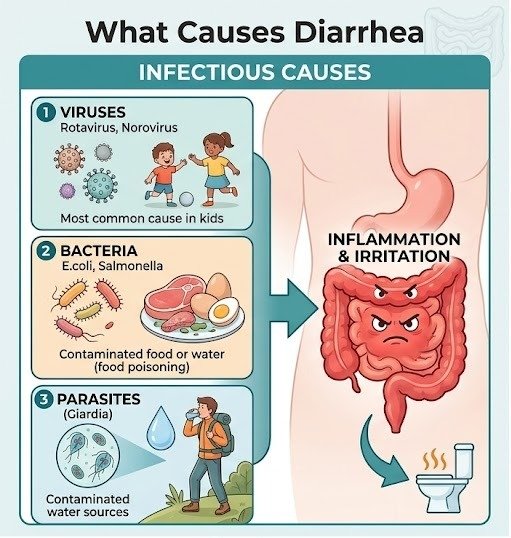
Everyone, regardless of age, is susceptible to diarrhea, a prevalent digestive condition. It is characterized by frequent, loose, or watery stools and can range from mild and temporary to severe and persistent. Understanding what causes diarrhea is essential for prevention and proper treatment. In this article, we will explore the main causes of diarrhea, its symptoms, and when you should seek medical attention.
1. Infections: The Most Common Cause
One of the leading causes of diarrhea is infection. These illnesses might be brought on by viruses, bacteria, or parasites.
- Viral infections such as norovirus and rotavirus are highly contagious and often spread through contaminated food or water.
- Bacterial infections like E. coli, Salmonella, and Shigella can result from eating undercooked or contaminated food.
- Parasitic infections occur when parasites enter the body through unsafe drinking water or poor hygiene.
These infections irritate the digestive tract, leading to inflammation and watery stools.
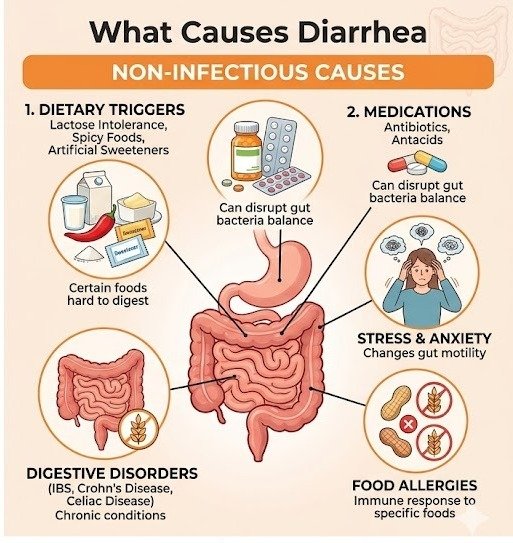
2. Food Intolerance and Allergies
Certain foods can trigger diarrhea in individuals who are sensitive or allergic to them.
- Lactose intolerance is a common condition where the body cannot properly digest milk sugar, causing bloating and diarrhea.
- Gluten sensitivity or celiac disease can also lead to digestive issues when consuming wheat-based products.
- Food allergies, especially to nuts, shellfish, or eggs, may cause diarrhea along with other symptoms like rashes or swelling.
3. Poor Diet and Eating Habits
Your daily diet plays a crucial role in digestive health. Consuming certain types of food can upset the stomach.
- Eating spicy or oily foods may irritate the gut lining.
- Excessive intake of caffeine or alcohol can speed up bowel movements.
- Overeating or consuming food too quickly can also lead to digestive disturbances.
Maintaining a balanced diet helps reduce the risk of diarrhea.
4. Medications and Antibiotics
The regular operation of the digestive system may be interfered with by certain drugs.
- Antibiotics are known to kill both harmful and beneficial bacteria in the gut, leading to an imbalance.
- Certain drugs, such as antacids containing magnesium, chemotherapy medications, and blood pressure drugs, may also cause diarrhea as a side effect.
If diarrhea begins after starting a new medication, consult a healthcare provider.
5. Digestive Disorders
Chronic digestive conditions can be a major cause of ongoing diarrhea.
- Irritable Bowel Syndrome (IBS) often leads to alternating diarrhea and constipation.
- Inflammatory Bowel Disease (IBD), including Crohn’s disease and ulcerative colitis, causes inflammation in the digestive tract.
- Malabsorption disorders prevent the body from absorbing nutrients properly, resulting in loose stools.
These conditions usually require long-term medical management.
6. Stress and Anxiety
Mental health can significantly impact gut health. Stress and anxiety can speed up digestion, leading to diarrhea.
- Emotional stress triggers the release of hormones that affect bowel movements.
- Many people experience diarrhea during stressful situations like exams, travel, or important events.
Managing stress through relaxation techniques can help improve digestive health.
7. Contaminated Water and Poor Hygiene
In many cases, especially in developing regions, diarrhea is caused by consuming contaminated water or practicing poor hygiene.
- Drinking untreated water may introduce harmful microorganisms.
- Not washing hands before eating increases the risk of infection.
Proper sanitation and hygiene practices are essential for prevention.
Symptoms Associated with Diarrhea
Along with loose stools, diarrhea may include:
- Abdominal cramps
- Nausea and vomiting
- Fever
- Dehydration
- Urgent need to use the bathroom
Severe dehydration can be dangerous, especially for children and elderly individuals.
When to See a Doctor
While most cases of diarrhea resolve within a few days, medical attention is necessary if:
- Diarrhea lasts more than 2–3 days
- There is blood in the stool
- High fever is present
- Signs of dehydration appear (dry mouth, dizziness, low urine output)
Many things can cause diarrhea, such as infections, dietary intolerances, drugs, and underlying medical disorders. Understanding these causes helps in prevention and timely treatment. Maintaining good hygiene, eating a balanced diet, and managing stress are key steps to keeping your digestive system healthy.
Effects of AI in Upcoming Technology
Manhole – Essential Access Points in Urban Infrastructure
RCPC Manhole Covers and Frames
Read Also: Social Network Website Design