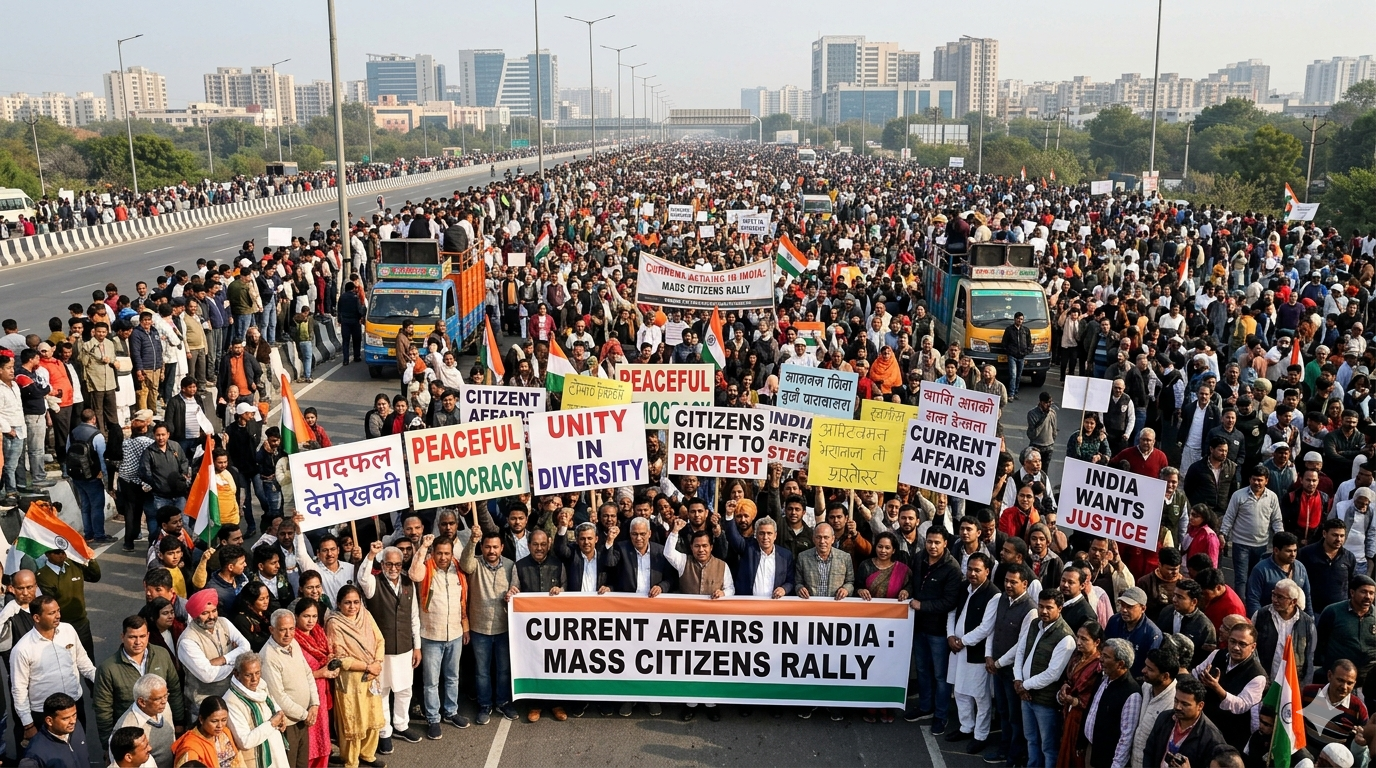
India continues to witness rapid growth and transformation across politics, technology, economy, education, and international […]

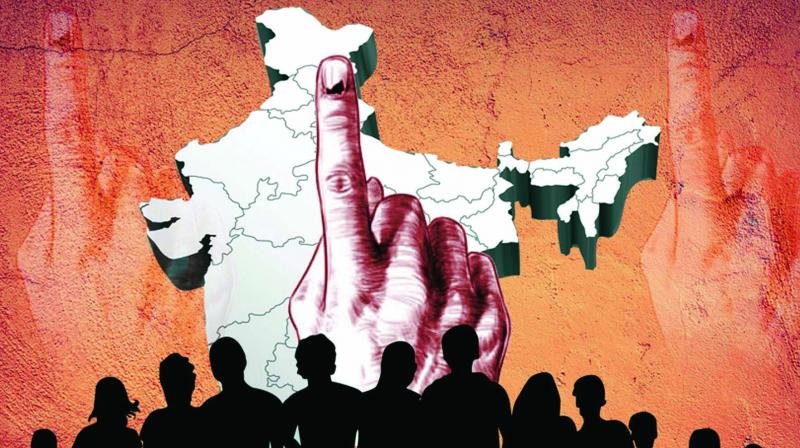
Indian politics is a complex and dynamic landscape, shaped by a diverse range of factors, from social and cultural issues to economic and geopolitical realities. As the world’s largest democracy, India’s political system is constantly evolving, with new parties and movements emerging to challenge established norms and power structures.
One of the defining features of Indian politics is the diversity of its population, with people from a range of ethnic, linguistic, and religious backgrounds living together. This has led to the emergence of a range of identity-based movements, with different groups seeking to assert their rights and interests within the political system.
At the same time, India is also home to a range of political ideologies, from socialist and communist movements to more right-wing nationalist parties. These different political currents are often in conflict, with fierce debates over issues such as economic policy, social justice, and foreign relations.
Despite these challenges, India’s democratic system has shown remarkable resilience over the years, with regular elections held at all levels of government. However, there are also concerns about the quality of democracy in India, with allegations of corruption, vote-buying, and political violence being common.
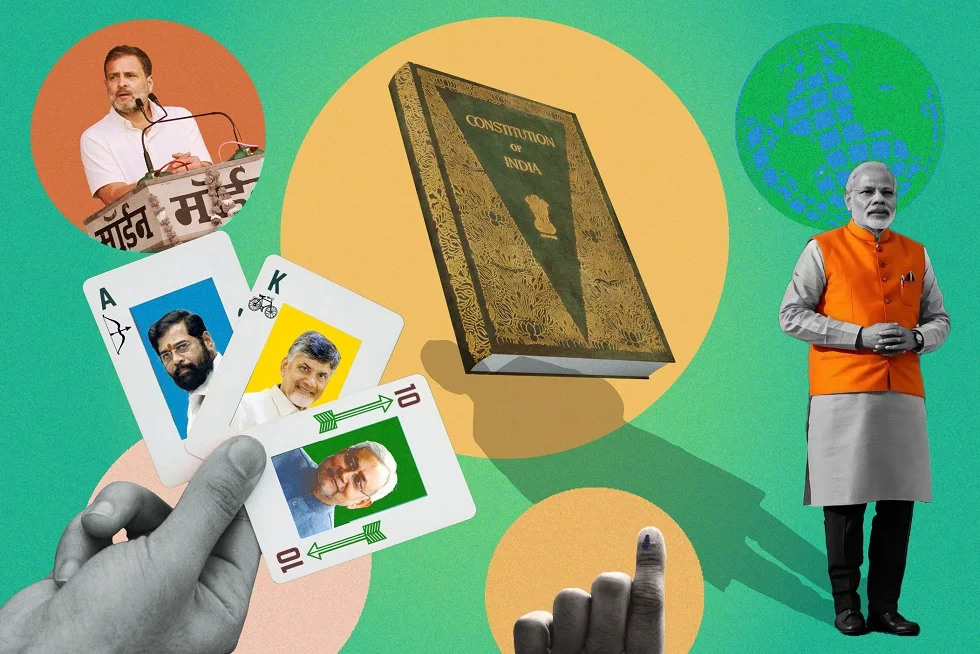
One of the key issues in Indian politics today is the rise of Hindu nationalism, with the Bharatiya Janata Party (BJP) and its leader Narendra Modi leading the charge. While the BJP has enjoyed considerable electoral success in recent years, there are also concerns about its impact on India’s secular identity, as well as its treatment of minority groups such as Muslims.
Looking to the future, Indian politics is likely to be shaped by a range of issues, from economic growth and social justice to geopolitical tensions with neighboring countries such as China and Pakistan. As always, the challenge will be to balance the competing interests and demands of different groups, while maintaining the integrity and legitimacy of India’s democratic system.
India continues to witness rapid growth and transformation across politics, technology, economy, education, and international […]
Indian Politics Latest News continues to dominate national discussions as major policy decisions, election strategies, […]
The Ministry of Finance plays a vital role in managing a country’s economy and financial […]
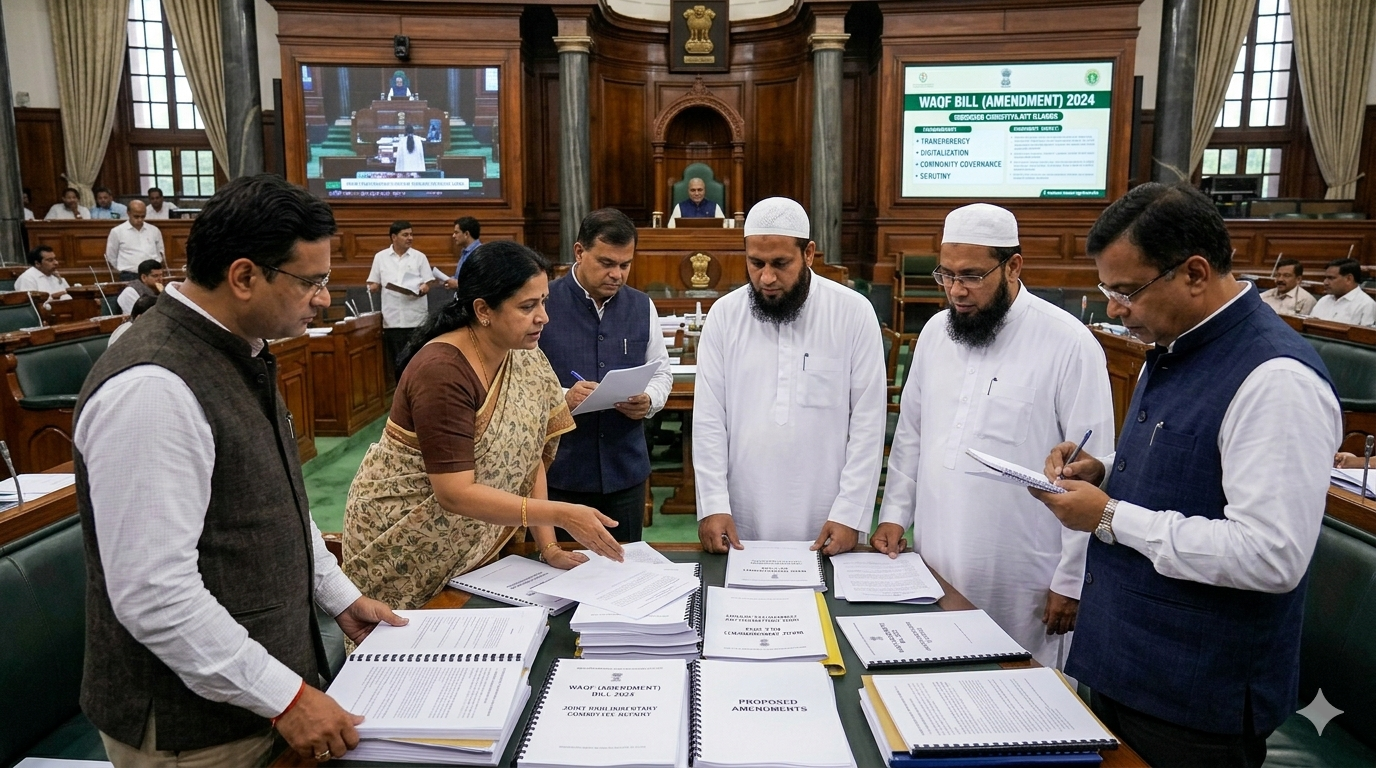
The Waqf Bill is an important piece of legislation in India that governs the management […]
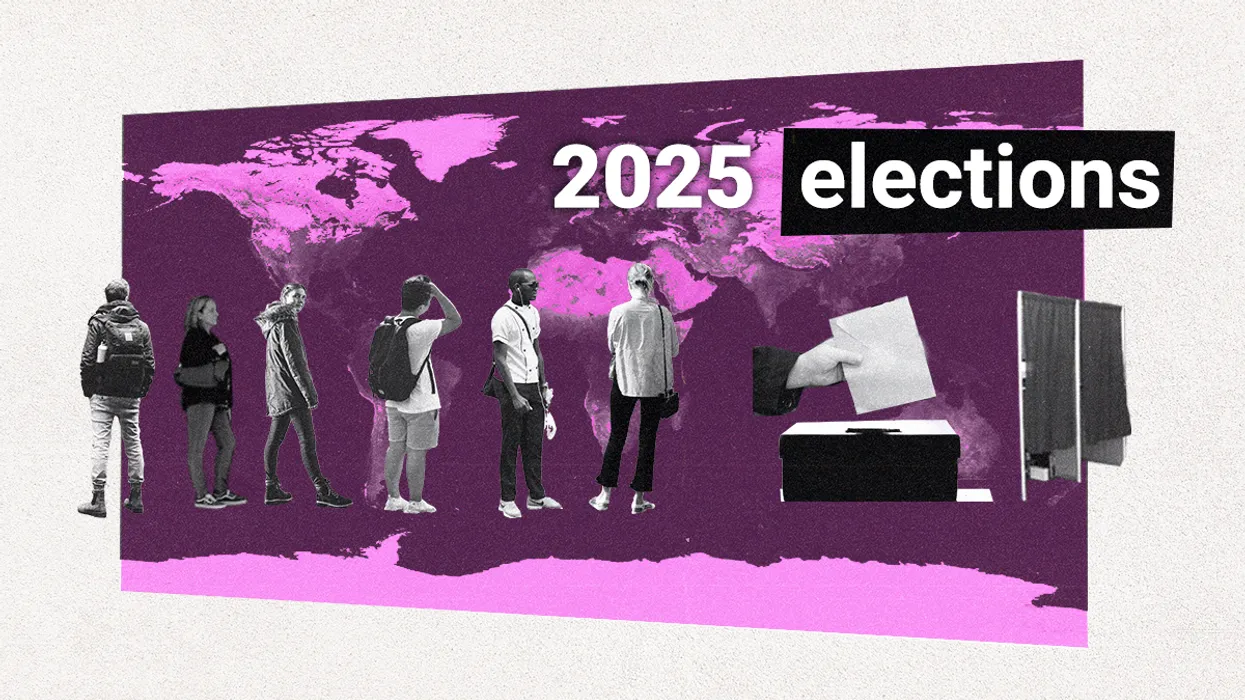
The year 2025 stands at a critical crossroads for global politics. With major elections, shifting […]
The rise of the United States of America as the world’s most powerful country is […]
The dissolution of the Soviet Union (USSR) in 1991 marked the end of one of […]
India, the world’s largest democracy, has a dynamic political landscape shaped by its diversity, regional […]
The term “deep state” refers to a network of influential members within government, military, intelligence […]
Napoleon Bonaparte, one of the most influential figures in world history, ruled France from 1799 […]