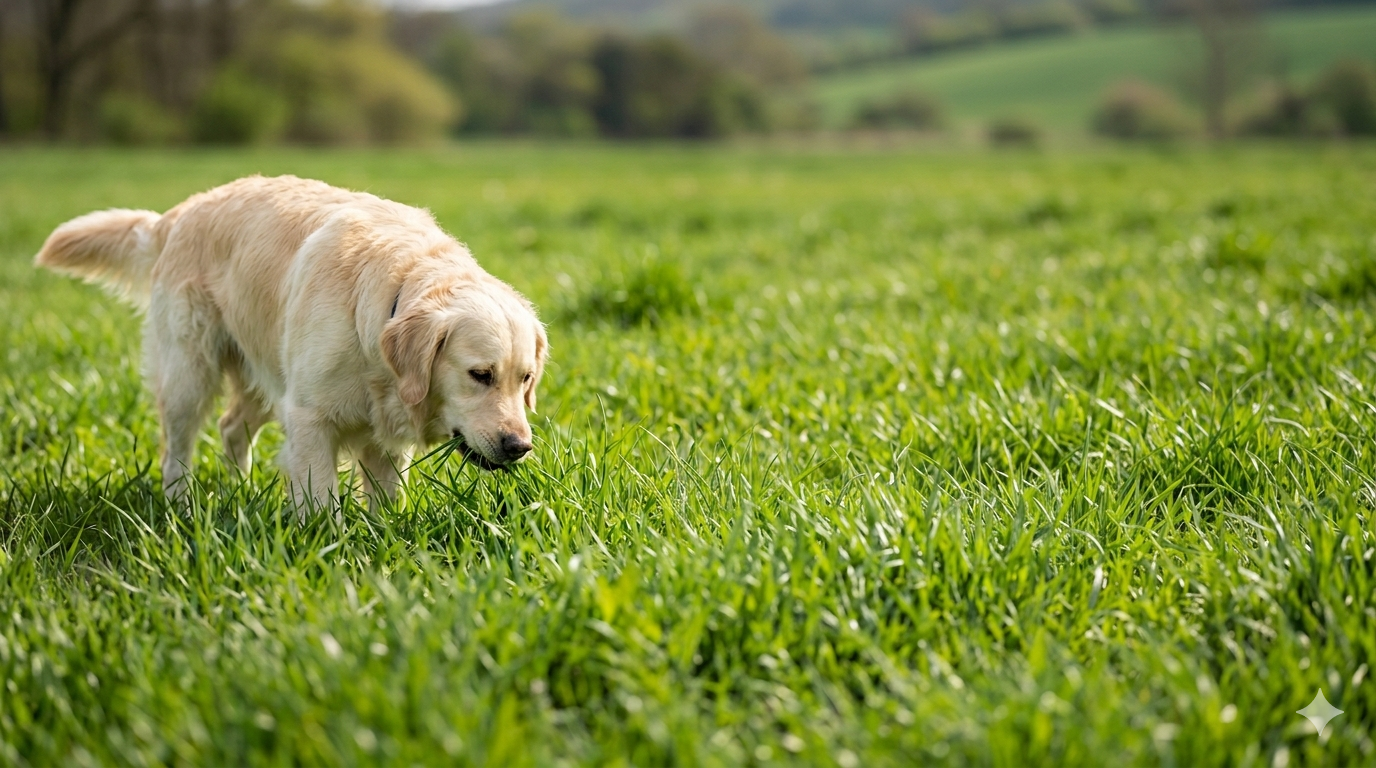
If you’ve ever caught your dog munching on grass during a walk, you’re not alone. Many pet owners wonder, Why do Dogs Eat Grass? Is it a sign of illness, boredom, or something more natural? The truth is, grass-eating is a common behavior in dogs, and in most cases, it’s completely normal. Let’s explore the reasons behind this curious habit.
Do dogs eat grass as a matter of course?
Yes, it is absolutely normal. Studies and veterinary observations suggest that a large number of dogs eat grass at some point in their lives. While it might look unusual, it doesn’t necessarily indicate a health issue. In fact, wild ancestors of dogs also consumed plant material as part of their diet, so this behavior may be instinctive.
Possible Reasons Why Dogs Eat Grass
1. Instinctive Behavior from Ancestors
Dogs are descendants of wolves, who are omnivores. This means they eat both meat and plant-based foods. In the wild, wolves consume the stomach contents of herbivores, which often include grass and plants. Your dog’s grass-eating habit could simply be a leftover instinct from these ancestors.
2. Aid for Digestion
According to some experts, dogs eat grass in order to aid in digestion. eat grass to help with digestion. Grass contains fiber, which can support bowel movement and overall digestive health. If your dog’s diet lacks sufficient fiber, they may turn to grass as a natural supplement.
3. Upset Stomach Relief
A common belief is that dogs eat grass to make themselves vomit when they feel unwell. While some dogs do vomit after eating grass, research shows that this isn’t always the intention. Only a small percentage of dogs show signs of illness before eating grass. So, while it might help in some cases, it’s not the primary reason for most dogs.
4. Boredom or Anxiety
Dogs may also eat grass simply because they’re bored or anxious. If a dog isn’t getting enough physical activity or mental stimulation, they might engage in unusual behaviors like chewing on grass. This is especially common in dogs that spend a lot of time alone.
5. Taste and Curiosity
Sometimes, the simplest explanation is the correct one—dogs may just like the taste or texture of grass. Fresh grass, especially in spring or after rain, can be appealing. Puppies, in particular, explore the world with their mouths, so curiosity plays a big role.
Should You Be Concerned?
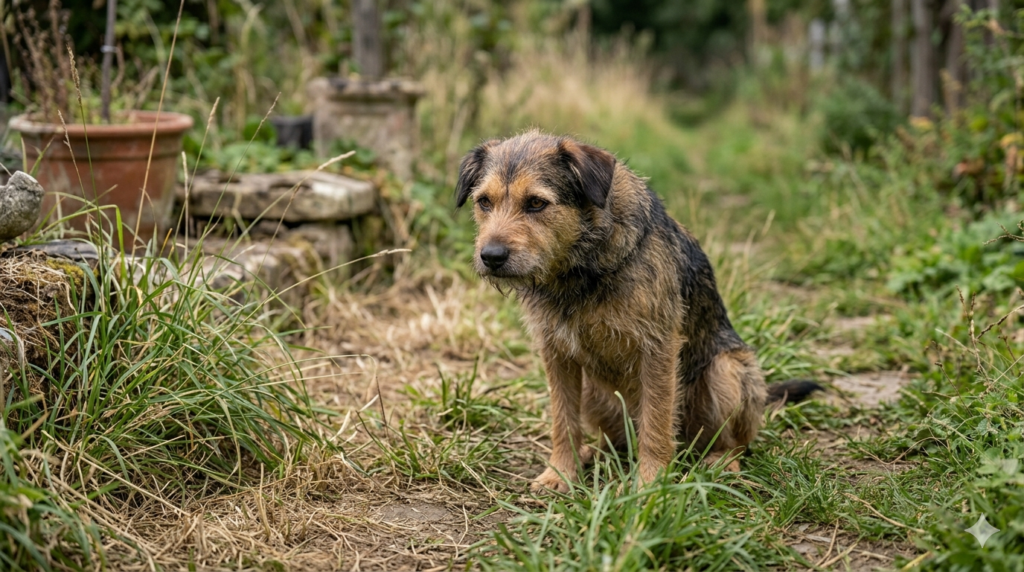
In most cases, occasional grass-eating is harmless. However, there are situations where you should pay closer attention:
- If your dog eats grass excessively
- If it is accompanied by frequent vomiting
- If your dog shows signs of illness like lethargy or loss of appetite
- If the grass may be treated with pesticides or chemicals
In such cases, it’s best to consult a veterinarian to rule out any underlying health issues.
How to Manage Your Dog’s Grass-Eating Habit
If you want to reduce or manage this behavior, here are a few practical tips:
- Provide a balanced diet: Ensure your dog’s food contains enough fiber and nutrients.
- Increase exercise: Regular walks and playtime can reduce boredom.
- Offer safe alternatives: Provide chew toys or dog-safe plants.
- Supervise outdoor time: Prevent access to chemically treated grass.
So, Why do Dogs Eat Grass? The answer isn’t one-size-fits-all. It can be due to instinct, digestion, boredom, or simple curiosity. The good news is that in most cases, it’s a harmless and natural behavior. As a responsible pet owner, keeping an eye on your dog’s habits and ensuring a healthy lifestyle is the best way to ensure their well-being.
Essential Pet Grooming Tips for a Healthy and Happy Pet
Tips and Tricks to Train your pet successfully
Top 10 Health Benefits of Having a Pet
Read Also: Dog Pet Website Design