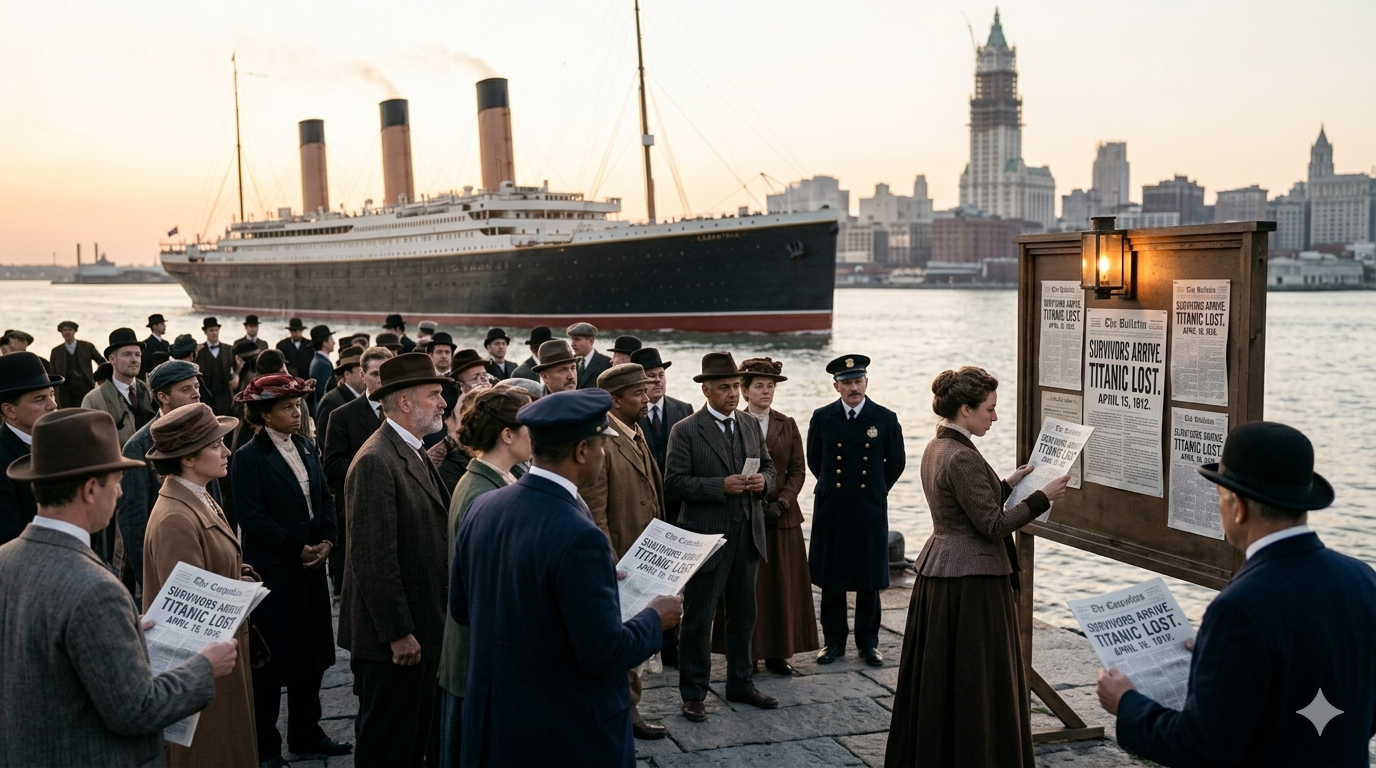
The Titanic Sink remains one of the most tragic maritime disasters in history. Known as the “unsinkable ship,” the Titanic met its fate in the early hours of April 15, 1912. This article explores when the Titanic sank, what led to the disaster, and why it still captures global attention more than a century later.
The Launch of the Titanic
The RMS Titanic was a British passenger liner built by the White Star Line. It was among the biggest and most opulent boats of its day. The Titanic set sail on its maiden voyage from Southampton, England, on April 10, 1912, heading toward New York City. On board were over 2,200 passengers and crew, including some of the wealthiest people in the world.
When Did the Titanic Hit the Iceberg?
The disaster began late at night on April 14, 1912, at approximately 11:40 PM ship time. The Titanic struck a massive iceberg in the North Atlantic Ocean. Despite warnings about icebergs in the area, the ship was traveling at high speed, which contributed to the severity of the collision.
The iceberg caused a series of ruptures along the ship’s hull, allowing water to flood multiple compartments. Although the Titanic was designed to stay afloat even if several compartments were damaged, the extent of the damage proved fatal.
When Did the Titanic Sink?
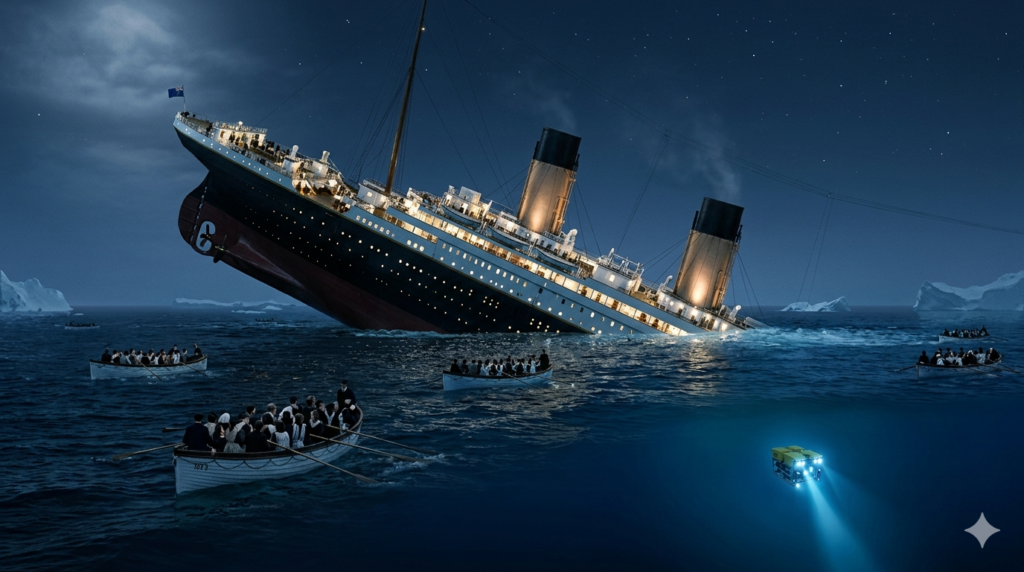
The Titanic officially sank in the early hours of April 15, 1912, at around 2:20 AM. It took approximately 2 hours and 40 minutes from the moment of impact for the ship to completely disappear beneath the ocean surface.
During this time, passengers and crew scrambled to evacuate. Unfortunately, there were not enough lifeboats to accommodate everyone on board. As a result, more than 1,500 people lost their lives, making it one of the deadliest peacetime maritime disasters.
Why Did the Titanic Sink?
The Titanic sank due to a number of causes, including:
1. High Speed in Iceberg-Prone Waters
The Titanic was traveling at near maximum speed despite receiving multiple iceberg warnings.
2. Insufficient Lifeboats
The ship carried only 20 lifeboats, far fewer than needed for all passengers and crew.
3. Design Limitations
While considered advanced, the watertight compartments were not fully sealed at the top, allowing water to spill over from one section to another.
4. Delayed Evacuation
Many passengers initially did not realize the seriousness of the situation, leading to delays in boarding lifeboats.
Rescue and Aftermath
The RMS Carpathia arrived at the scene around 4:00 AM on April 15, rescuing more than 700 survivors. The tragedy led to major changes in maritime safety regulations, including requirements for sufficient lifeboats and continuous radio monitoring.
Why the Titanic Story Still Matters
The story of when the Titanic sank continues to fascinate historians, researchers, and the general public. It serves as a powerful reminder of human error, technological overconfidence, and the importance of safety preparedness.
Books, documentaries, and movies have kept the memory alive, ensuring that future generations learn from this historic event.
So, when did The Titanic Sink? The answer is April 15, 1912, at 2:20 AM. Though the ship was designed to be a marvel of engineering, a combination of factors led to its tragic end. Understanding this event helps us appreciate advancements in safety and the importance of preparedness in modern travel.
What Happens After the Death of a Human
Survival of the Fittest Theory by Charles Darwin
Read Also: Education Website Design