Slavery is one of the darkest chapters in human history, affecting millions of people across different continents for centuries. Many people often ask, “When did Slavery End?” The answer is not as simple as a single date, because slavery ended at different times in different parts of the world.
Understanding Slavery in History
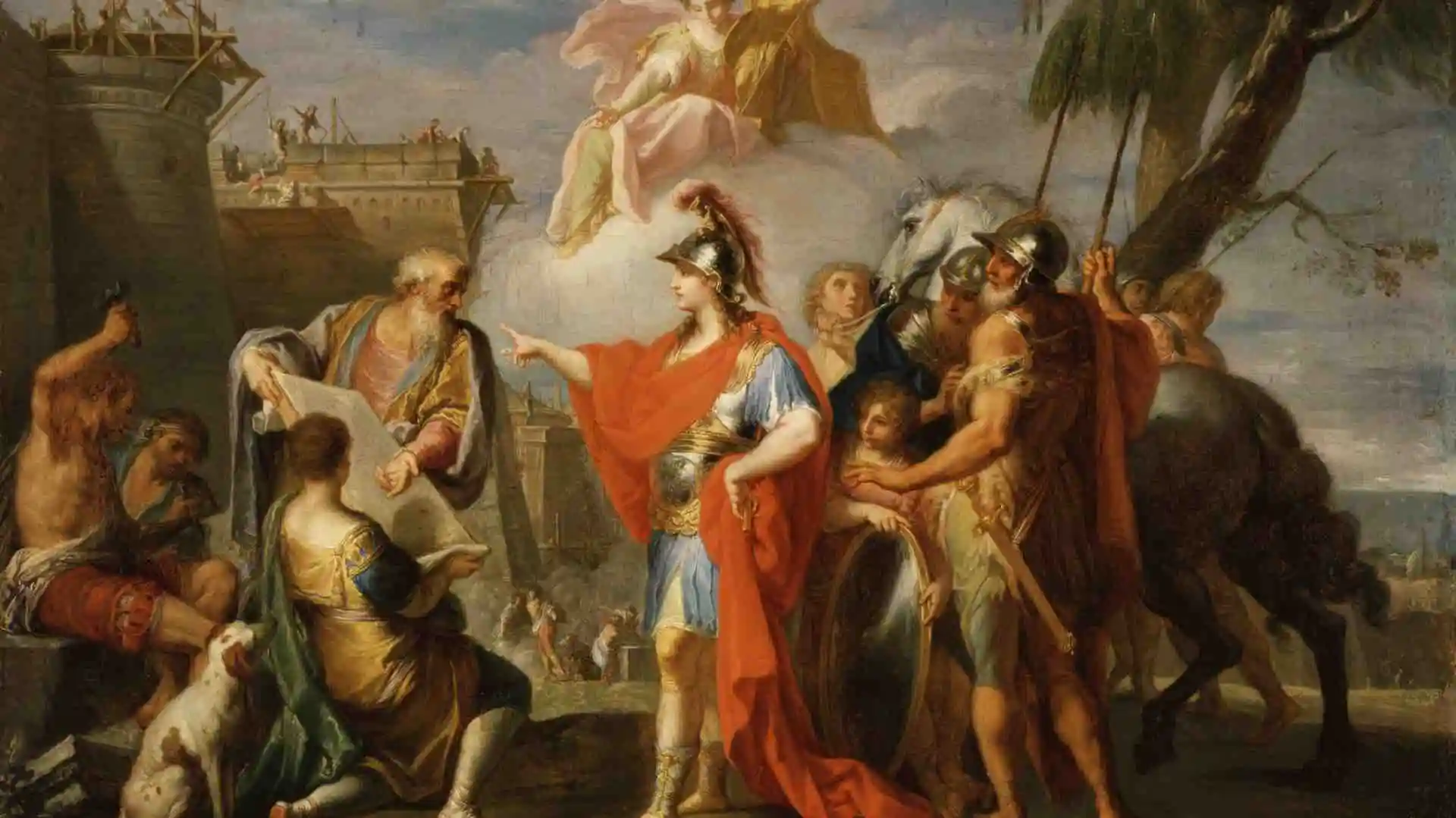
Slavery existed in ancient civilizations such as Egypt, Rome, and Greece. Enslaved people were treated as property and forced to work without pay. Over time, slavery became deeply rooted in global economies, especially during the transatlantic slave trade from the 16th to the 19th century.
Millions of Africans were captured and transported to the Americas, where they were forced to work on plantations. This period marked one of the most brutal forms of slavery in history.
When Did Slavery End in the British Empire?
One of the earliest major steps toward ending slavery came from the British Empire. The Slavery Abolition Act officially abolished slavery in 1833. This law came into effect in 1834 and freed more than 800,000 enslaved people in British colonies.
However, freedom was not immediate for everyone. Many former slaves were forced into an “apprenticeship” system before gaining full freedom.
When Did Slavery End in the United States?
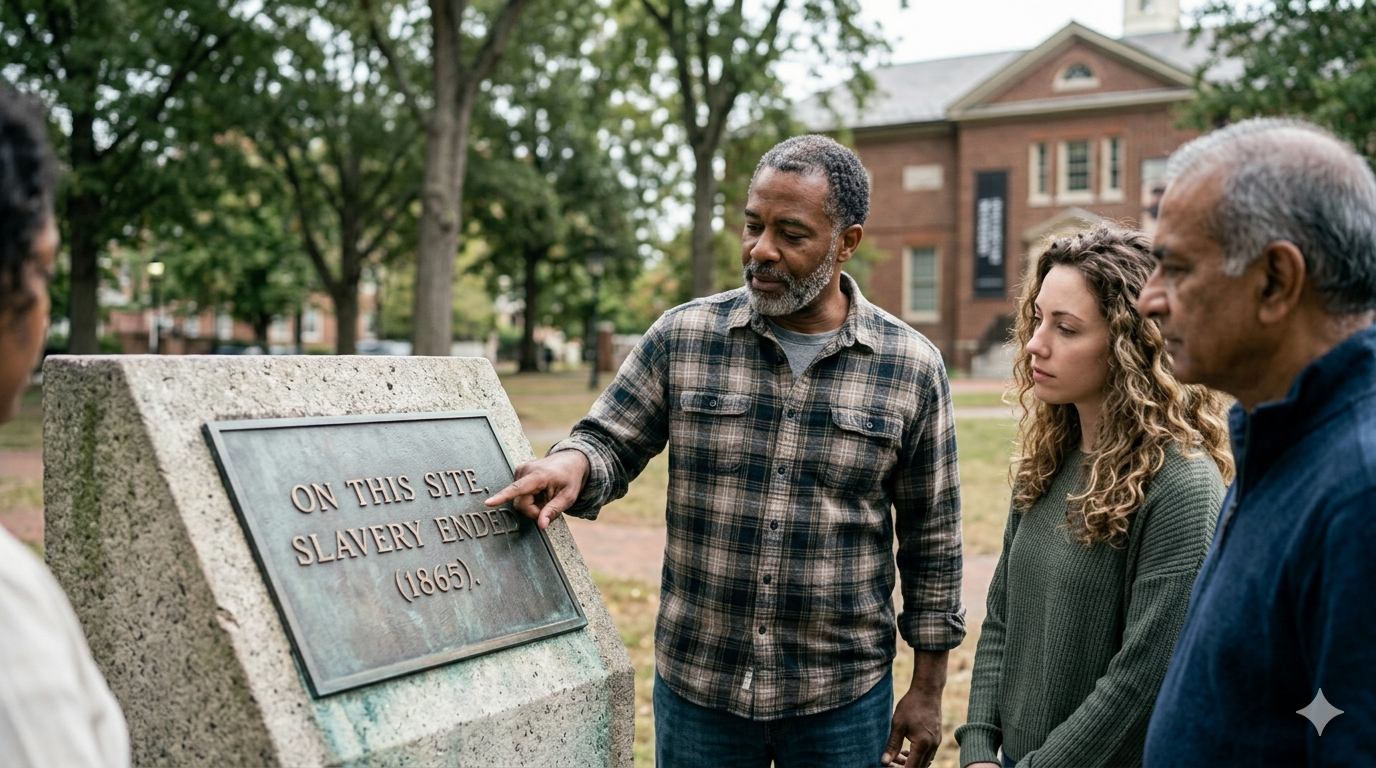
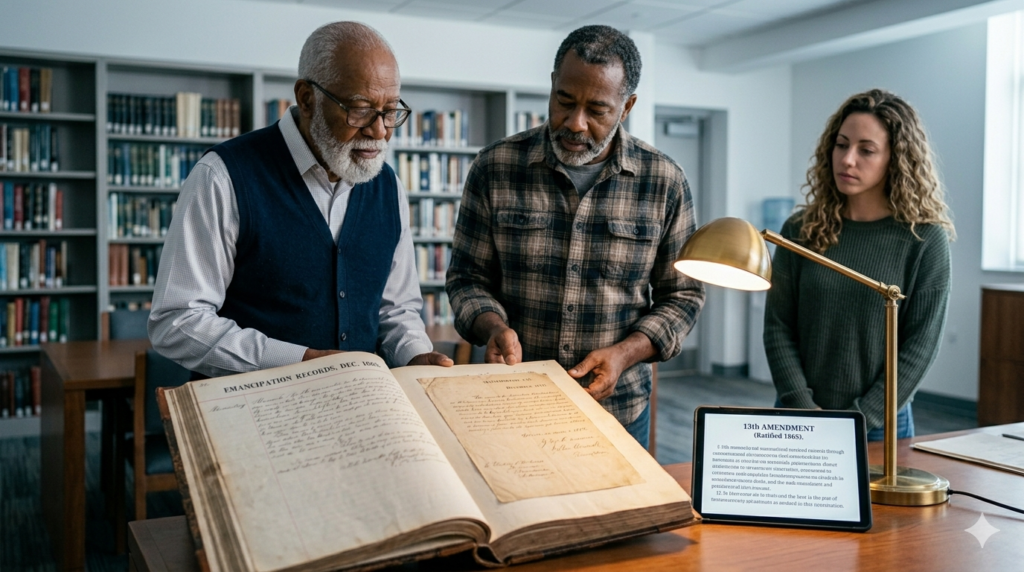
In the United States, slavery officially ended in 1865 after the Civil War. The 13th Amendment to the Constitution abolished slavery and involuntary servitude, except as punishment for a crime.
Before this, President Abraham Lincoln issued the Emancipation Proclamation in 1863, which declared enslaved people in Confederate states free. However, it took the end of the war and the constitutional amendment to fully abolish slavery across the entire country.
When Did Slavery End in Other Countries?
Slavery ended at different times around the world:
- France abolished slavery in 1848
- Russia ended serfdom (a similar system) in 1861
- In 1888, Brazil became the last nation in the Americas to outlaw slavery.
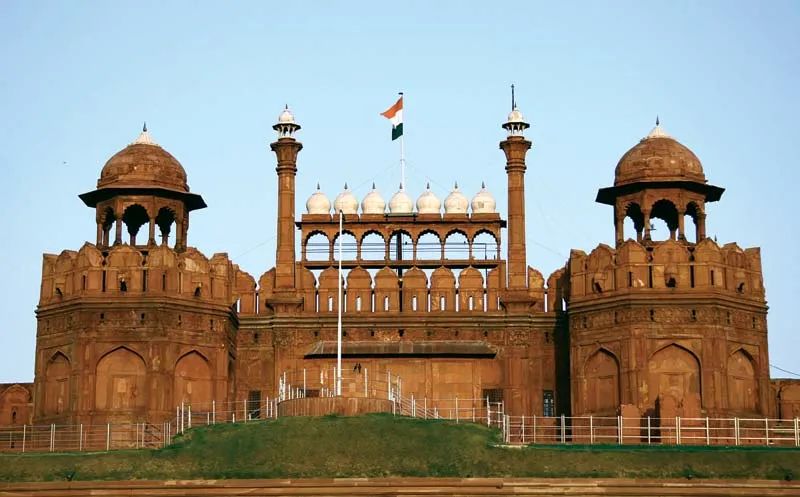
- India officially abolished slavery under British rule in 1843
Although legal slavery ended in these countries, the effects and inequalities continued for generations.
Is Slavery Truly Over Today?
Even though slavery has been legally abolished worldwide, modern forms of slavery still exist. This includes human trafficking, forced labor, child labor, and debt bondage. According to global reports, millions of people are still trapped in conditions similar to slavery today.
This shows that while slavery may have ended legally, the fight for true freedom and human rights is ongoing.
Why Understanding the End of Slavery Matters
Learning about when slavery ended is important for understanding social justice, equality, and human rights. It reminds us of the struggles people faced and the importance of standing against injustice.
The abolition of slavery was not a single event but a long and difficult process driven by activists, reformers, and enslaved people themselves who fought for freedom.
So, When did Slavery End? The answer depends on the region, ranging from the early 19th century in the British Empire to the late 19th century in countries like Brazil. In the United States, slavery ended in 1865 with the 13th Amendment.
Read Also : Social Network Website Design