Summer is one of the most anticipated seasons of the year, bringing longer days, warmer temperatures, and endless opportunities for travel and outdoor activities. But a common question people ask is: when does summer actually start? The answer depends on how you define it—astronomically or meteorologically.
Astronomical Start of Summer
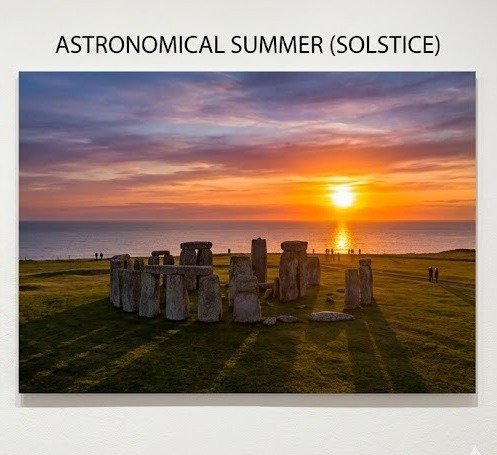
According to the astronomical calendar, summer begins with the summer solstice, which usually falls on June 20, 21, or 22 in the Northern Hemisphere. In 2026, for example, summer starts on June 21.
The summer solstice marks the longest day of the year, when the Earth’s tilt is most inclined toward the sun. This results in the maximum amount of daylight, making it a significant seasonal milestone.
Key Features of Astronomical Summer:
- Begins with the summer solstice
- Longest daylight hours of the year
- Officially recognized in traditional calendars
- Ends with the autumn equinox (around September 22–23)
Meteorological Start of Summer
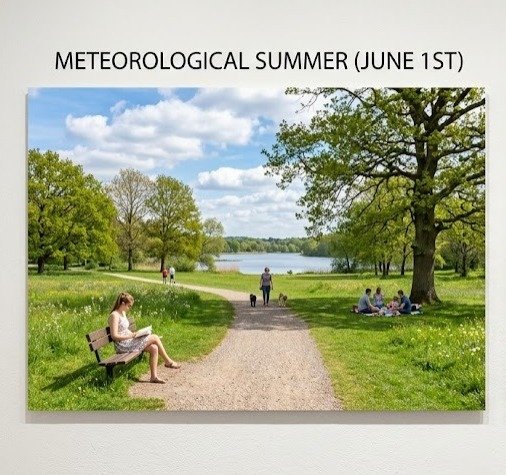
Meteorologists define summer differently for practical and scientific reasons. In this system, summer starts on June 1 and ends on August 31 every year.
This method divides the year into four equal seasons based on temperature patterns, making it easier for weather forecasting and climate studies.
Why Meteorological Summer Matters:
- Helps track seasonal temperature trends
- Useful for data comparison year over year
- Aligns better with weather patterns rather than solar position
Summer Start in India
In countries like India, including cities such as Kolkata, summer is often felt much earlier than June. The Indian summer season typically begins in March and lasts until June, with peak heat in April and May.
Characteristics of Indian Summer:
- High temperatures, often exceeding 40°C in many regions
- Dry conditions in most areas
- Pre-monsoon thunderstorms in eastern regions
- School vacations and travel season
So while the global definition of summer may start in June, practically speaking, people in India experience summer much earlier.
Why There Are Different Start Dates
The difference between astronomical and meteorological summer exists because they serve different purposes:
- Earth‘s position in relation to the sun determines the astronomical seasons.
- Meteorological seasons are based on climate and temperature cycles
Both are correct—it just depends on the context in which you’re using them.
Signs That Summer Has Started
Regardless of official dates, there are clear signs that summer has arrived:
- Rising temperatures and heatwaves
- Longer daylight hours
- Increased outdoor activities and vacations
- Seasonal fruits like mangoes and watermelons
- Shift in clothing to lighter fabrics
In India especially, the availability of mangoes is often considered a true signal of summer!
So, when does summer start? The answer varies:
- Astronomically: Around June 21
- Meteorologically: June 1
- In India (practically): As early as March
Understanding these differences helps clarify why people may have different answers to the same question. Whether you follow the scientific definition or go by the weather outside your window, summer is all about warmth, sunshine, and vibrant energy.
By knowing when summer begins, you can better plan your vacations, activities, and even your wardrobe. No matter the date, one thing is certain—summer always brings a fresh wave of excitement and life.
Read Also: Social Network Website Design