Low blood pressure, also known as hypotension, occurs when the force of blood against the artery walls is lower than normal. While it may sound harmless, it can sometimes lead to symptoms like dizziness, fainting, and fatigue. Understanding the causes low blood pressure is essential for maintaining overall health and preventing complications.
What Is Considered Low Blood Pressure?
Blood pressure is measured in millimeters of mercury (mmHg) and recorded as two numbers: systolic (top number) and diastolic (bottom number). A reading below 90/60 mmHg is generally considered low blood pressure. However, for some people, naturally low blood pressure may not cause any symptoms or health issues.
Common Causes of Low Blood Pressure
1. Dehydration
One of the most common causes low blood pressure is dehydration. When your body loses more fluids than it takes in, blood volume decreases. This can lead to weakness, dizziness, and fatigue. Dehydration may result from excessive sweating, vomiting, diarrhea, or insufficient water intake.
2. Heart Problems
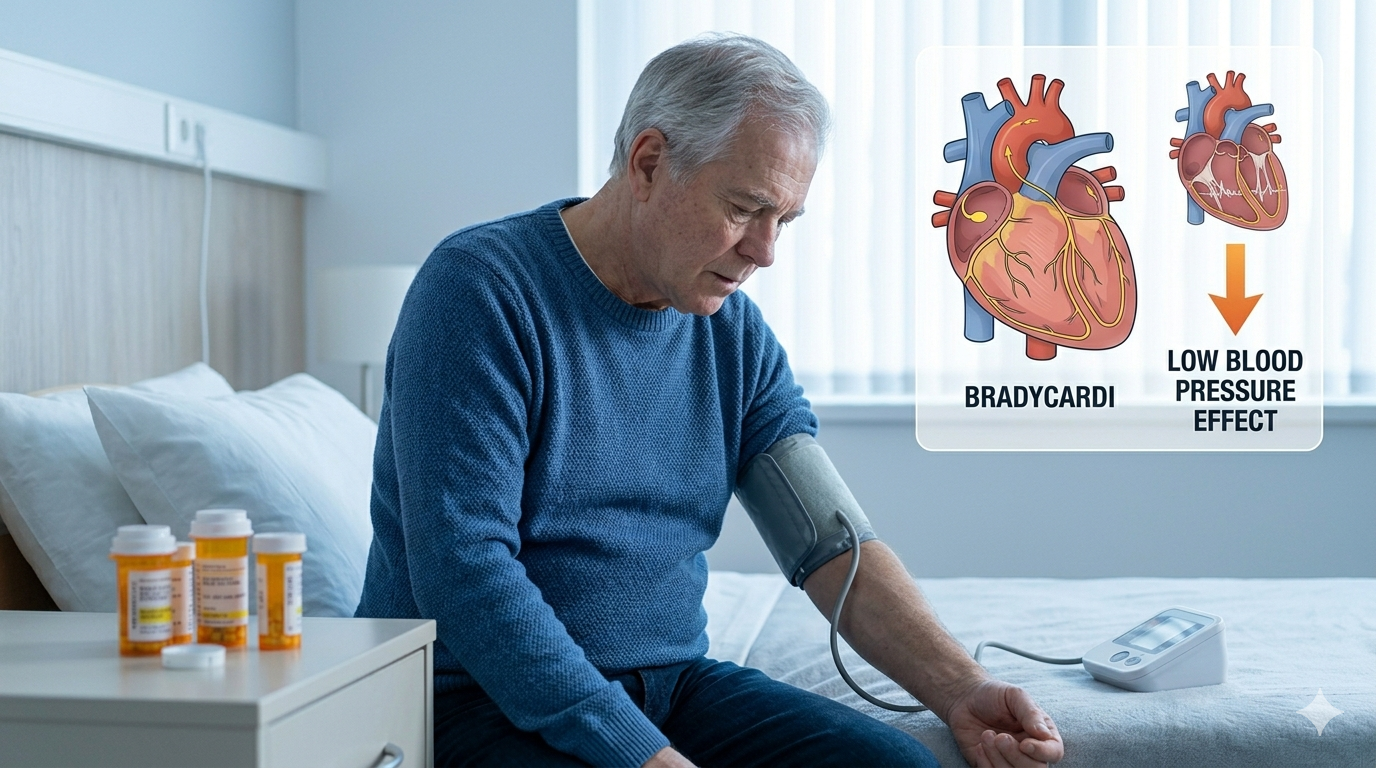
Certain heart conditions can affect the heart’s ability to pump blood effectively, leading to low blood pressure. These include:
- Slow heart rate (bradycardia)
- Heart valve problems
- Heart attack
- Heart failure
When the heart cannot circulate blood properly, blood pressure drops.
3. Endocrine Disorders
Hormonal imbalances can also cause hypotension. Conditions such as:
- Adrenal insufficiency (Addison’s disease)
- Diabetes
- Thyroid disorders
These conditions interfere with the body’s ability to regulate blood pressure, leading to fluctuations and sometimes low readings.
4. Blood Loss
Significant blood loss due to injury, surgery, or internal bleeding reduces the amount of blood in the body. This sudden drop in blood volume can cause a sharp decline in blood pressure, potentially leading to shock if untreated.
5. Nutritional Deficiencies
A lack of essential nutrients like vitamin B12, folate, and iron can lead to anemia. When your body doesn’t produce enough healthy red blood cells, it affects oxygen transport and can result in low blood pressure.
6. Medications
Certain medications can lower blood pressure as a side effect. These include:
- Diuretics
- Beta-blockers
- Antidepressants
- Medications for Parkinson’s disease
Taking these drugs without proper monitoring can sometimes lead to hypotension.
7. Pregnancy
During pregnancy, the circulatory system expands rapidly, which can cause blood pressure to drop. This is usually normal and temporary, but it should still be monitored to avoid complications.
8. Severe Infections (Septicemia)
A serious infection entering the bloodstream can lead to a life-threatening drop in blood pressure known as septic shock. This condition requires immediate medical attention.
9. Allergic Reactions (Anaphylaxis)
Severe allergic reactions can cause a sudden and dangerous drop in blood pressure. Symptoms may include swelling, difficulty breathing, and loss of consciousness. Immediate treatment is crucial.

Symptoms of Low Blood Pressure
Low blood pressure doesn’t always cause noticeable symptoms, but when it does, they may include:
- Dizziness or lightheadedness
- Fainting
- Blurred vision
- Nausea
- Fatigue
- Lack of concentration
If these symptoms occur frequently, medical evaluation is important.
When Should You Be Concerned?
Occasional low blood pressure may not be a problem, especially if you are otherwise healthy. However, persistent or severe hypotension can lead to serious complications like shock, especially if caused by underlying conditions. If you experience recurring symptoms, it’s best to consult a healthcare professional.
How to Prevent Low Blood Pressure
Preventive steps can help manage or reduce the risk of hypotension:
- Stay hydrated by drinking enough fluids
- Eat a balanced diet rich in vitamins and minerals
- Avoid sudden changes in posture (like standing up too quickly)
- Monitor medications under medical guidance
- Limit alcohol intake
Low blood pressure can result from various causes, ranging from dehydration to serious medical conditions. While it may not always be dangerous, understanding its underlying causes helps in timely diagnosis and treatment. By maintaining a healthy lifestyle and being aware of symptoms, you can effectively manage and prevent complications associated with hypotension.
Effects of AI in Upcoming Technology
Manhole – Essential Access Points in Urban Infrastructure
RCPC Manhole Covers and Frames
Read Also: Social Network Website Design