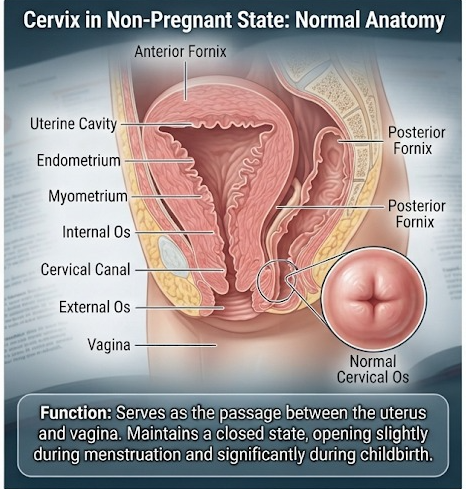
The cervix is a small but essential part of the female reproductive system. Although it is only a few centimeters long, it performs several important functions that support menstruation, fertility, pregnancy, and childbirth. Many people have heard of the cervix but are unsure about what it actually does or why it is so important. Learning about the cervix can help women better understand their bodies and recognize the importance of regular reproductive healthcare.
In this article, we’ll explain what the cervix does, its structure, its key functions, and why keeping it healthy is essential.
What Is the Cervix?
The cervix is the lower, narrow portion of the uterus that connects the uterus to the vagina. It acts as a gateway between these two organs and contains a small opening called the cervical canal. This opening allows fluids to pass between the uterus and the vagina while protecting the reproductive system from harmful bacteria and infections.
The cervix is made of strong muscle and connective tissue, allowing it to remain firm during most of a woman’s life while also expanding significantly during childbirth.
What Does the Cervix Do?
The cervix performs several vital functions throughout a woman’s reproductive life. Its role changes depending on factors such as the menstrual cycle, pregnancy, and childbirth.
1. Allows Menstrual Blood to Leave the Body
During menstruation, the cervix opens slightly to allow menstrual blood and tissue from the uterus to pass through the vagina. This natural process occurs every month during the reproductive years unless pregnancy occurs.
Without the cervix functioning properly, normal menstrual flow would not be possible.
2. Helps Sperm Reach the Uterus
One of the cervix’s most important jobs is supporting fertility. Around the time of ovulation, cervical mucus becomes thinner, clearer, and more slippery. This special mucus helps sperm travel through the cervix and into the uterus, increasing the chances of fertilization.
At other times in the menstrual cycle, cervical mucus becomes thicker, making it more difficult for sperm to pass through. This natural change helps regulate fertility.
3. Protects the Uterus from Infection
The cervix serves as a protective barrier against bacteria and other harmful microorganisms. Thick cervical mucus forms a natural defense that prevents many germs from entering the uterus.
This protective function is especially important because infections inside the uterus can affect reproductive health and pregnancy.

The Cervix During Pregnancy
Pregnancy brings significant changes to the cervix. After conception, the cervix becomes tightly closed and forms a thick mucus plug. This mucus plug seals the uterus and helps protect the developing baby from bacteria and infections.
Healthcare providers regularly monitor the cervix during pregnancy to ensure it remains closed and strong until labor begins. A weakened or shortened cervix may increase the risk of premature birth and often requires medical attention.
The Cervix During Childbirth
As labor approaches, the cervix undergoes major changes. It gradually softens, shortens, and opens in a process known as cervical dilation.
During active labor, the cervix expands from completely closed to approximately 10 centimeters. This widening allows the baby to pass safely through the birth canal during delivery.
The cervix’s remarkable ability to stretch demonstrates its vital role in successful childbirth.
Why Cervical Health Matters
Maintaining a healthy cervix is an important part of overall reproductive wellness. Certain infections, including the human papillomavirus (HPV), can cause abnormal changes in cervical cells that may increase the risk of cervical cancer.
Routine cervical screenings, such as Pap tests and HPV testing, can detect abnormal cells early, often before they become cancerous. Vaccination against HPV, practicing safe sex, and attending regular gynecological checkups all contribute to maintaining cervical health.
Women should also consult a healthcare provider if they experience unusual bleeding, persistent pelvic pain, unusual vaginal discharge, or pain during intercourse.
The cervix may be small, but it plays an essential role in every stage of a woman’s reproductive life. It allows menstrual flow, supports fertility by helping sperm reach the uterus, protects against infection, safeguards pregnancy, and expands during childbirth to allow the baby to be born safely.
Understanding what the cervix does empowers women to make informed decisions about their reproductive health. By maintaining regular medical checkups, following recommended cervical screening guidelines, and paying attention to any unusual symptoms, women can help ensure their cervix remains healthy for years to come.
Liver Cancer Symptoms Cause and Remedy
Read Also: Medical Website Design