The female reproductive system is a remarkable network of organs that work together to support fertility, hormone production, and pregnancy. Among its most important components are the ovaries and fallopian tubes. These organs play essential roles in the reproductive process, from releasing eggs to enabling fertilization. Understanding the function of ovaries and fallopian tubes helps women make informed decisions about their reproductive health and overall well-being.
What Are Ovaries?
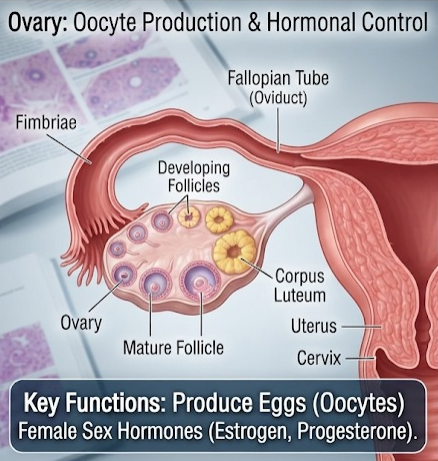
The ovaries are two small, almond-shaped organs located on either side of the uterus. They are a vital part of the female reproductive system and the endocrine system because they produce reproductive hormones and release mature eggs during the menstrual cycle.
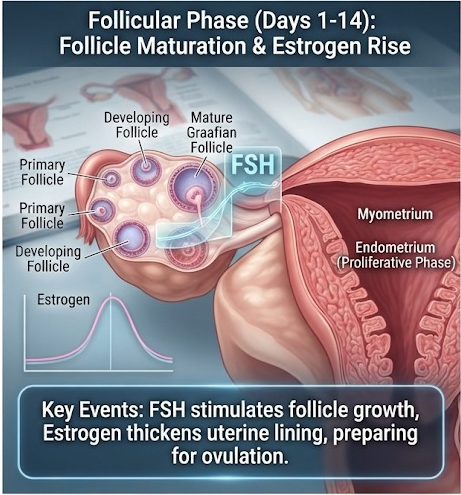
Each ovary contains thousands of immature eggs, known as follicles, which gradually mature throughout a woman’s reproductive years.
Main Functions of the Ovaries
1. Egg Production and Release
The primary function of the ovaries is to produce and release eggs through a process called ovulation. Typically, one mature egg is released each month and travels into the fallopian tube, where fertilization may occur if sperm is present.
2. Hormone Production
The ovaries produce several important hormones that regulate the menstrual cycle and reproductive health, including:
- Estrogen: Supports the development of female reproductive organs and secondary sexual characteristics.
- Progesterone: Prepares the uterus for pregnancy and helps maintain early pregnancy.
- Small amounts of testosterone: Contribute to libido and overall hormonal balance.
These hormones also influence bone health, skin quality, mood, and heart health.
3. Supporting Fertility
Healthy ovaries are essential for fertility because they provide healthy eggs needed for conception. The quality and quantity of eggs naturally decline with age, making ovarian health an important factor in pregnancy planning.
What Are Fallopian Tubes?
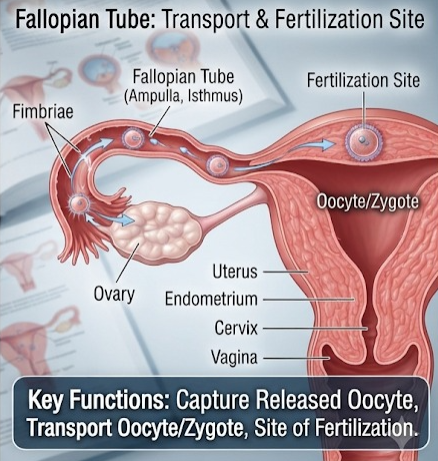
The fallopian tubes are two narrow tubes that connect the ovaries to the uterus. They measure approximately 10 to 12 centimeters in length and are lined with tiny hair-like structures called cilia, which help move the egg toward the uterus.
Although small, the fallopian tubes perform several crucial reproductive functions.
Main Functions of the Fallopian Tubes
1. Transporting the Egg
After ovulation, the fallopian tube captures the released egg using finger-like projections called fimbriae. The egg then begins its journey toward the uterus.
2. Site of Fertilization
The fallopian tube is where the fallopian tube is where the fallopian tube is where the fallopian tube is where the fallopian tube is where the fallopian tube happens. If sperm reaches the egg within the tube, the two unite to form a fertilized egg, known as a zygote.
This is one of the most critical stages in human reproduction.
3. Moving the Fertilized Egg
Following fertilization, gentle muscular contractions and cilia move the developing embryo through the fallopian tube into the uterus, where implantation can occur.
Healthy fallopian tubes are essential because any blockage or damage may prevent fertilization or increase the risk of an ectopic pregnancy.
How Ovaries and Fallopian Tubes Work Together
The ovaries and fallopian tubes function as a coordinated system. Each month, the ovary releases a mature egg during ovulation. The nearby fallopian tube captures the egg and transports it toward the uterus.
If fertilization occurs, the embryo continues its journey into the uterus for implantation. If fertilization does not occur, the egg breaks down, hormone levels decrease, and menstruation begins.
This monthly cycle is carefully regulated by hormones produced by the brain and ovaries.
Common Health Conditions Affecting These Organs
Several medical conditions can interfere with the normal function of the ovaries and fallopian tubes, including:
- Polycystic Ovary Syndrome (PCOS)
- Ovarian cysts
- Premature ovarian insufficiency
- Endometriosis
- Blocked fallopian tubes
- Pelvic inflammatory disease (PID)
- Ectopic pregnancy
Early diagnosis and proper medical treatment can improve reproductive health and fertility outcomes.
Tips for Maintaining Reproductive Health
Women can support ovarian and fallopian tube health by:
- Eating a balanced, nutrient-rich diet.
- Exercising regularly.
- Avoiding smoking and excessive alcohol consumption.
- engaging in safe sexual behavior to lower the chance of infection.
- Scheduling regular gynecological check-ups.
- Seeking medical advice if menstrual cycles become irregular or pelvic pain develops.
The ovaries and fallopian tubes are essential organs that play a central role in female reproduction. The ovaries produce eggs and reproductive hormones, while the fallopian tubes transport the egg and provide the environment where fertilization usually occurs. Together, they make conception possible and support a healthy reproductive cycle. Understanding their functions empowers women to take better care of their reproductive health and seek timely medical attention whenever necessary.
How to Choose the Best Online Courses for Career Advancement
Exploring the Top Scientific Theories That Changed the World