Many women notice changes in their body weight and experience bloating before or during their periods. These changes are completely normal and are usually linked to hormonal fluctuations throughout the menstrual cycle. Understanding why periods affect weight and bloating can help reduce stress and make it easier to manage these temporary symptoms.
Why Do Periods Cause Weight Gain?
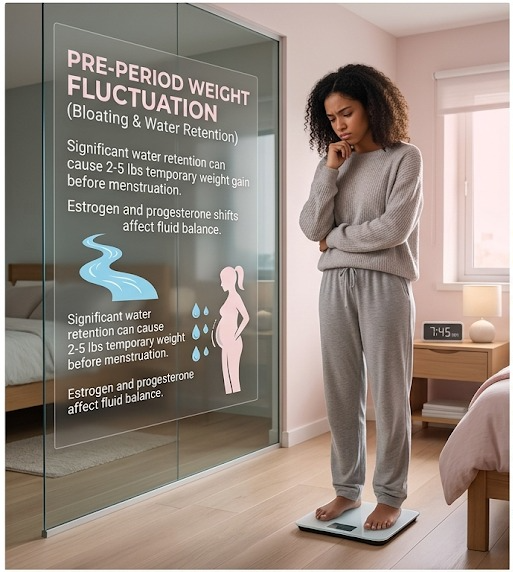
Many women are worried about gaining weight throughout their period. However, the increase in weight is often temporary and not caused by body fat. Instead, it is mainly due to water retention, hormonal changes, and digestive issues that occur before and during a menstrual period.
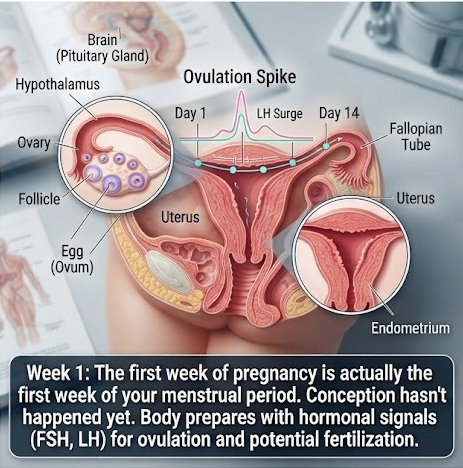
Hormones such as estrogen and progesterone rise and fall throughout the menstrual cycle. These hormonal fluctuations can cause the body to retain more water and salt, leading to a feeling of heaviness and a slight increase in weight.
Most women gain between 1 and 5 pounds during their menstrual cycle, but this weight typically disappears once the period ends.
The Connection Between Hormones and Bloating
Bloating is one of the most common symptoms of premenstrual syndrome (PMS). Hormonal changes can slow down digestion and cause the body to hold onto excess fluid.
As estrogen levels rise before menstruation, the body may retain more water. At the same time, changes in progesterone levels can affect the digestive system, leading to constipation and abdominal discomfort. This combination often results in a swollen or bloated feeling around the stomach area.
The bloating usually starts a few days before the period and gradually improves once menstruation begins.
Common Symptoms Associated with Period Bloating
Women experiencing menstrual bloating may notice:
- A swollen or tight abdomen
- Temporary weight gain
- Breast tenderness
- Increased gas or digestive discomfort
- Feeling full even after small meals
- Swelling in the hands, feet, or face that is modest
These symptoms are generally temporary and are considered a normal part of the menstrual cycle.
How Long Does Period Weight Gain Last?
Period-related weight gain is usually short-lived. Most women notice the increase in weight during the week leading up to their period. Once menstruation starts and hormone levels stabilize, the body gradually releases the excess fluid.
The majority of the time, weight returns to normal a few days after the period starts. If weight gain persists for several weeks, it may be related to other lifestyle or health factors rather than the menstrual cycle itself.

Tips to Reduce Period Bloating and Weight Fluctuations
Although period bloating cannot always be avoided, several healthy habits can help reduce its severity.
Stay Hydrated
Drinking plenty of water helps the body flush out excess sodium and reduces fluid retention. Proper hydration can actually help minimize bloating.
Reduce Salt Intake
High-sodium foods can increase water retention. Limiting processed foods, chips, and salty snacks before your period may help decrease bloating.
Exercise Regularly
Physical activity improves circulation and helps the body eliminate excess fluids. Even a short daily walk can make a noticeable difference.
Eat Balanced Meals
Focus on fruits, vegetables, whole grains, and lean proteins. Foods rich in potassium, such as bananas and avocados, may help balance fluid levels in the body.
Manage Stress
Stress can worsen PMS symptoms, including bloating and weight fluctuations. Deep breathing exercises, meditation, or yoga are some relaxation methods that may be useful.
When to See a Doctor
While mild bloating and temporary weight gain are normal, severe symptoms should not be ignored. Consult a healthcare professional if you experience extreme swelling, severe abdominal pain, unusually heavy periods, or symptoms that interfere with daily life.
Periods can affect weight and bloating due to hormonal changes, water retention, and digestive fluctuations. While these symptoms may feel uncomfortable, they are usually temporary and resolve naturally after menstruation begins. Maintaining a healthy diet, staying active, and drinking plenty of water can help manage period-related bloating and support overall well-being throughout the menstrual cycle.
Liver Cancer Symptoms Cause and Remedy
Read Also: Medical Website Design