
Hormones are the body’s chemical messengers, controlling everything from growth and metabolism to mood and reproductive health. Among the most important hormones are testosterone and estrogen, which play essential roles in both men and women. While testosterone is commonly associated with men and estrogen with women, the truth is that both hormones are necessary for everyone. Understanding testosterone and estrogen roles can help you maintain better physical, mental, and emotional health.
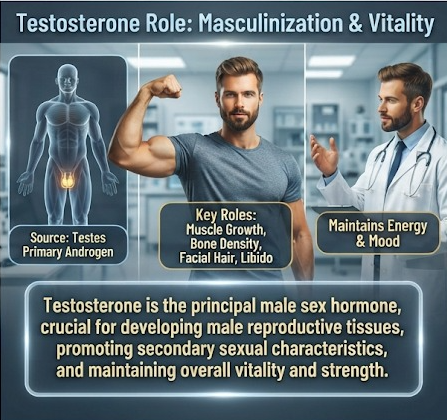
What Is Testosterone?
Men’s testes produce the majority of the hormone testosterone, whereas women’s ovaries and adrenal glands produce smaller amounts. It is responsible for the development of male characteristics during puberty, such as facial hair, deeper voice, and increased muscle mass.
Beyond physical changes, testosterone also supports:
- Muscle strength and growth
- Bone density
- Red blood cell production
- Healthy sex drive
- Energy levels
- Mood and cognitive function
Although men naturally have higher testosterone levels, women also require this hormone for maintaining muscle strength, bone health, and sexual well-being.
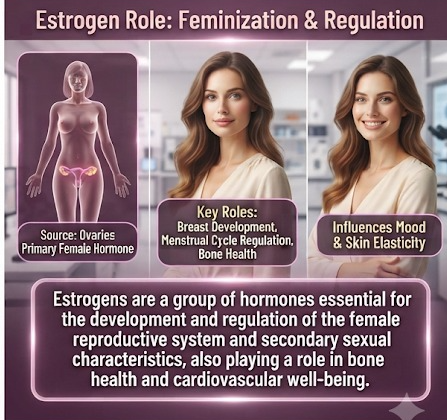
What Is Estrogen?
Estrogen is mainly produced in the ovaries in women, although men also produce small amounts through the conversion of testosterone. Estrogen is best known for regulating the female reproductive system and menstrual cycle, but its benefits extend far beyond reproduction.
Key functions of estrogen include:
- Supporting reproductive health
- Maintaining healthy bones
- Regulating cholesterol levels
- Protecting heart health
- Supporting brain function
- Keeping skin healthy and elastic
Healthy estrogen levels contribute to overall wellness throughout every stage of life.
Understanding Testosterone and Estrogen Roles Together
Many people mistakenly believe testosterone and estrogen work independently. In reality, these hormones work together to maintain the body’s balance.
For example:
- Testosterone helps build muscle, while estrogen helps maintain bone strength.
- Estrogen supports cardiovascular health, while testosterone contributes to healthy circulation and red blood cell production.
- Both hormones influence mood, memory, and emotional stability.
- Balanced hormone levels support healthy metabolism and body composition.
A proper balance between testosterone and estrogen is more important than simply having high or low levels of either hormone.
Signs of Hormonal Imbalance
Hormonal imbalances can affect people of any age. Symptoms often develop gradually and may be mistaken for normal aging or stress.
Low Testosterone Symptoms
Individuals with low testosterone may experience:
- Reduced energy
- Loss of muscle mass
- Low libido
- Difficulty concentrating
- Mood swings
- Increased body fat
Low Estrogen Symptoms
Low estrogen levels may cause:
- Irregular menstrual cycles
- Hot flashes
- Night sweats
- Vaginal dryness
- Decreased bone density
- Mood changes
High Estrogen Symptoms
Excess estrogen may contribute to:
- Weight gain
- Breast tenderness
- Fatigue
- Water retention
- Mood fluctuations
- Headaches
If these symptoms persist, medical evaluation and hormone testing can help identify the underlying cause.
Factors That Affect Hormone Levels
Several lifestyle and medical factors influence testosterone and estrogen production.
Common factors include:
- Aging
- Poor nutrition
- Chronic stress
- Lack of sleep
- Obesity
- Physical inactivity
- Certain medications
- Medical conditions affecting hormone-producing glands
Maintaining healthy habits can naturally support balanced hormone levels.
Natural Ways to Support Hormonal Balance
While medical treatment may be necessary for some individuals, healthy lifestyle choices remain the foundation of hormonal wellness.
Here are several effective strategies:
- Eat a balanced diet rich in lean proteins, healthy fats, fruits, and vegetables.
- Exercise regularly with both strength training and cardiovascular activities.
- Get 7–9 hours of quality sleep every night.
- Manage stress through meditation, yoga, or relaxation techniques.
- Maintain a healthy body weight.
- Limit excessive alcohol consumption and avoid smoking.
These habits promote overall endocrine health and may help optimize natural hormone production.
When Should You See a Doctor?
Persistent symptoms such as fatigue, reduced libido, unexplained weight changes, irregular menstrual cycles, or mood disturbances should not be ignored. A healthcare professional can perform blood tests to measure hormone levels and determine whether treatment is necessary.
Hormone replacement therapy or other medical treatments should always be supervised by qualified healthcare providers, as improper hormone use may lead to unwanted side effects.
Understanding testosterone and estrogen roles is essential for maintaining overall health and well-being. These hormones influence much more than reproductive function—they support muscle strength, bone health, heart health, metabolism, brain function, and emotional balance. Rather than focusing on one hormone alone, achieving the right balance between testosterone and estrogen is the key to optimal health. By following a healthy lifestyle and seeking medical advice when symptoms arise, individuals can support their hormonal health and enjoy a better quality of life.
How to Choose the Best Online Courses for Career Advancement
Exploring the Top Scientific Theories That Changed the World