Gout is a form of arthritis that can cause sudden and severe pain, swelling, and redness in the joints. It most commonly affects the big toe, but it can also impact other joints such as the ankles, knees, and fingers. Understanding What Causes Gout is essential for preventing flare-ups and managing the condition effectively.
What Is Gout?
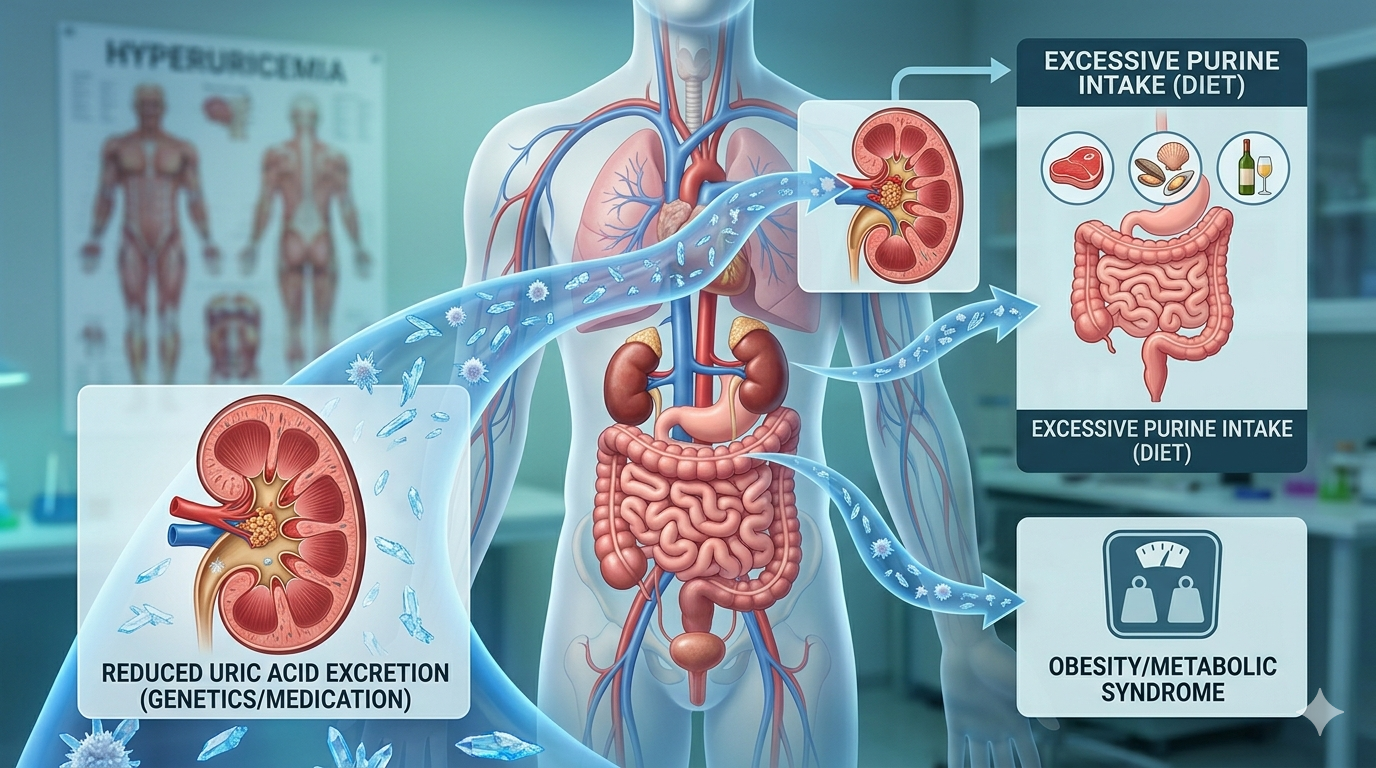
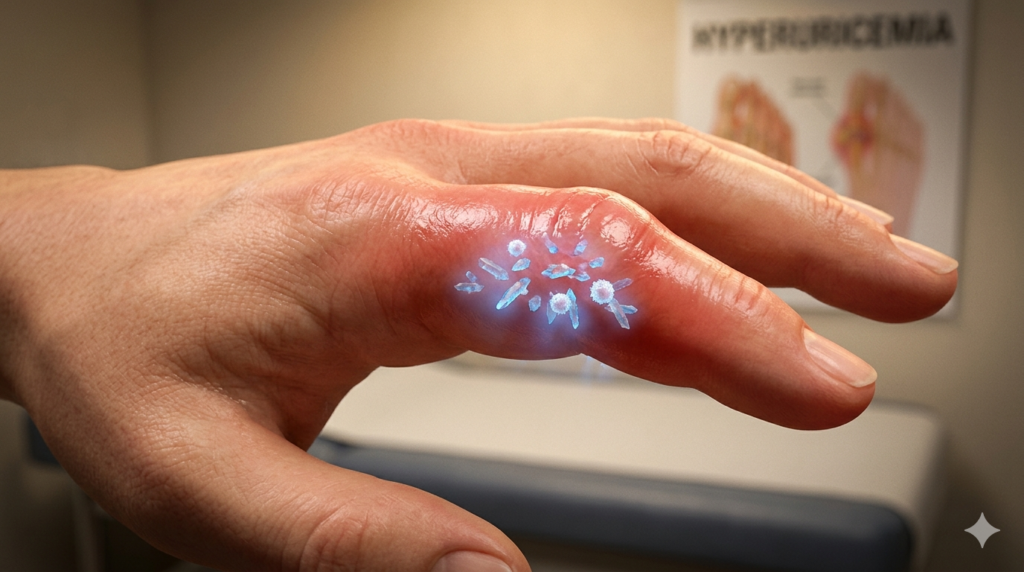
Gout occurs when there is an excessive buildup of uric acid in the blood, a condition known as hyperuricemia. Uric acid is a waste product formed when the body breaks down substances called purines, which are naturally found in the body and certain foods. When uric acid levels become too high, it can form sharp crystals in the joints, leading to inflammation and intense pain.
Main Causes of Gout
1. High Uric Acid Levels
The primary cause of gout is elevated uric acid levels in the bloodstream. This can happen when your body produces too much uric acid or fails to eliminate it efficiently through the kidneys. When uric acid accumulates, it forms crystals that deposit in joints and tissues.
2. Diet Rich in Purines
Certain foods are high in purines, which increase uric acid production. Regular consumption of these foods can raise your risk of developing gout. Common high-purine foods include:
- Red meat (beef, lamb, pork)
- Organ meats (liver, kidneys)
- Seafood (sardines, anchovies, shellfish)
- Alcohol, especially beer
- Sugary beverages and foods high in fructose
A poor diet is one of the most controllable risk factors for gout.
3. Obesity and Overweight
Being overweight increases the body’s production of uric acid and makes it harder for the kidneys to remove it. Excess body weight is strongly linked to higher uric acid levels and frequent gout attacks. Maintaining a healthy weight can significantly reduce the risk.
4. Kidney Problems
The kidneys play a key role in filtering uric acid from the blood. If they are not functioning properly, uric acid may build up in the body. Chronic kidney disease or reduced kidney function is a major contributor to gout.
5. Genetics and Family History
Gout can run in families. If your parents or close relatives have gout, you may be more likely to develop it. Genetic factors can influence how your body processes uric acid.
6. Certain Medications
Some medications can increase uric acid levels or reduce its excretion. These include:
- Diuretics (water pills)
- Low-dose aspirin
- Certain drugs used for high blood pressure
If you are taking medications and experiencing gout symptoms, it is important to consult a healthcare professional.
7. Medical Conditions
Several health conditions are associated with a higher risk of gout, including:
- High blood pressure
- Diabetes
- Heart disease
- Metabolic syndrome
These conditions can interfere with uric acid metabolism and increase the likelihood of gout attacks.
8. Dehydration
Not drinking enough water can concentrate uric acid in the blood, increasing the risk of crystal formation. Staying well-hydrated helps the kidneys flush out excess uric acid more effectively.
Common Triggers of Gout Attacks
Even if you have high uric acid levels, certain triggers can lead to sudden gout attacks. These include:
- Heavy alcohol consumption
- Eating large meals rich in purines
- Sudden weight loss or fasting
- Stress or illness
It’s possible to avoid painful flare-ups by steering clear of these triggers.
How to Prevent Gout
Preventing gout involves managing uric acid levels and making healthy lifestyle choices:
- Eat a balanced, low-purine diet
- Stay hydrated by drinking plenty of water
- Maintain a healthy weight
- Limit alcohol and sugary drinks
- Follow medical advice and take prescribed medications
Gout is a painful condition primarily caused by high uric acid levels in the body. Factors such as diet, obesity, kidney function, genetics, and lifestyle choices all play a role in its development. By understanding What Causes Gout and making proactive changes, you can reduce your risk and manage symptoms effectively. Early prevention and proper care are key to living a healthier, pain-free life.
Best Adventures to do in India
Read Also: Tours And Travels Website Design