A late period can be stressful, especially if pregnancy isn’t expected. While pregnancy is one of the most common reasons for a missed menstrual cycle, it is far from the only explanation. Many physical, emotional, and medical factors can delay your period. Understanding what causes a late period besides pregnancy can help you identify possible reasons and decide whether medical advice is needed.
Stress Can Delay Your Menstrual Cycle
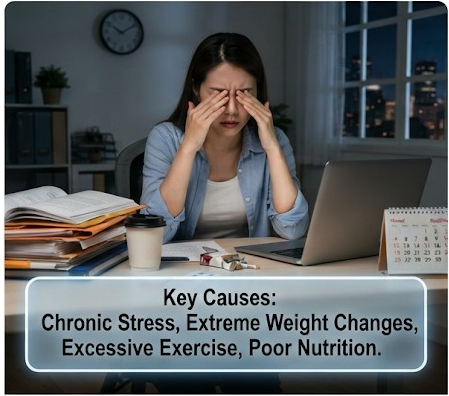
One of the leading causes of a late period is stress. Emotional stress from work, relationships, exams, or major life events can affect the part of the brain that regulates hormones responsible for menstruation. When stress levels remain high, the body may delay or even skip ovulation, causing your period to arrive later than expected.
Practicing stress management through meditation, regular exercise, and sufficient sleep may help restore a normal menstrual cycle.
Hormonal Imbalances
Hormones are essential in controlling your menstrual cycle. Any imbalance can disrupt ovulation and delay menstruation. Conditions such as thyroid disorders or hormonal fluctuations can cause irregular or missed periods.
Women approaching menopause may also experience hormonal changes that make their cycles unpredictable. If hormonal issues continue for several months, a healthcare provider can perform tests to determine the underlying cause.
Significant Weight Changes
Rapid weight loss, excessive dieting, or sudden weight gain can interfere with hormone production. Being underweight may reduce estrogen levels, while obesity can increase estrogen production. Both situations may disrupt the normal menstrual cycle.
Maintaining a balanced diet and a healthy weight can support hormonal balance and improve menstrual regularity.
Excessive Exercise
Regular physical activity is beneficial, but intense training without proper nutrition can affect reproductive hormones. Athletes and individuals who participate in endurance sports sometimes experience delayed or absent periods due to reduced body fat and increased physical stress.
Balancing exercise with adequate calorie intake can help maintain a healthy menstrual cycle.
Polycystic Ovary Syndrome (PCOS)
Polycystic Ovary Syndrome (PCOS) is a prevalent hormonal condition that impacts women in their reproductive years. It often causes irregular periods, delayed menstruation, acne, weight gain, and excessive hair growth. Since ovulation may not occur regularly, periods can become unpredictable.
Early diagnosis and lifestyle management can help reduce symptoms and improve cycle regularity.

Certain Medications
Some medications may influence hormone levels or interfere with the menstrual cycle. Birth control pills, antidepressants, blood pressure medications, and certain steroid treatments can sometimes cause delayed or missed periods.
If you notice menstrual changes after starting a new medication, consult your healthcare provider before making any adjustments.
Thyroid Disorders
The thyroid gland helps regulate metabolism and hormone production. Both an underactive thyroid (hypothyroidism) and an overactive thyroid (hyperthyroidism) can lead to irregular or delayed periods. Other symptoms may include fatigue, weight changes, hair loss, or sensitivity to temperature.
A simple blood test can usually identify thyroid-related problems.
When Should You See a Doctor?
An occasional late period is usually not a cause for concern. However, you should seek medical advice if:
- Your period is more than three months late.
- You frequently experience irregular cycles.
- You have severe pelvic pain or unusually heavy bleeding.
- You notice sudden hormonal symptoms such as excessive hair growth or unexplained weight changes.
Early evaluation can help identify any underlying medical condition and ensure appropriate treatment.
Understanding what causes a late period besides pregnancy can reduce unnecessary worry and help you take better care of your reproductive health. Stress, hormonal imbalances, lifestyle changes, thyroid disorders, PCOS, medications, and significant weight fluctuations are all common reasons for delayed menstruation. If your periods remain consistently irregular or are accompanied by unusual symptoms, consulting a healthcare professional is the best step toward maintaining your overall health and well-being.
Liver Cancer Symptoms Cause and Remedy
Read Also: Medical Website Design