Long-acting reversible contraceptives (LARCs) are among the most effective birth control methods available today. They provide reliable pregnancy prevention for several years without requiring daily attention. Whether you’re planning to delay pregnancy for a few years or simply want a low-maintenance contraceptive option, understanding long-acting reversible contraceptives can help you make an informed decision.
In this comprehensive guide, we’ll explain what LARCs are, how they work, their benefits, potential side effects, and who may benefit most from these highly effective contraceptive methods.
What Are Long-Acting Reversible Contraceptives?
Long-acting reversible contraceptives are birth control methods that prevent pregnancy for an extended period while remaining completely reversible after removal. Once removed, fertility typically returns quickly, making them an excellent option for individuals who may want children in the future.
The two primary types of LARCs include:
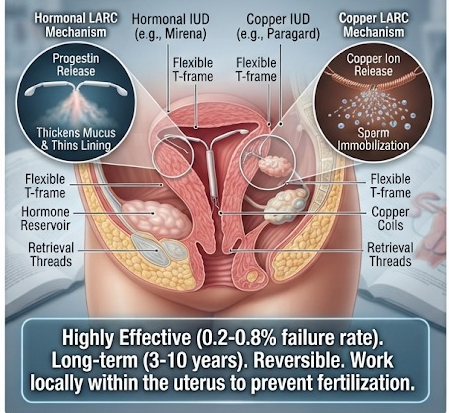
- Intrauterine Devices (IUDs): Intrauterine Devices (IUDs) are tiny T-shaped objects that are placed inside the uterus by a medical professional.
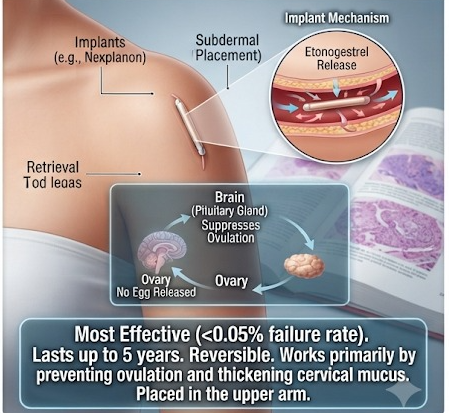
- Contraceptive Implants: Small flexible rods placed under the skin of the upper arm that release hormones to prevent pregnancy.
Both methods require a healthcare professional for insertion and removal.
How Do Long-Acting Reversible Contraceptives Work?
Different LARCs prevent pregnancy in different ways.
Hormonal IUDs
Hormonal intrauterine devices (IUDs) release a small quantity of progestin, which:
- Thickens cervical mucus
- Prevents sperm from reaching the egg
- Thins the uterine lining
- Sometimes suppresses ovulation
Copper IUDs
Copper IUDs contain no hormones. Instead, the copper creates an environment that is toxic to sperm, preventing fertilization.
Contraceptive Implant
The implant continuously releases progestin, which:
- Stops ovulation in most users
- Thickens cervical mucus
- Makes the uterine lining less suitable for implantation
Benefits of Long-Acting Reversible Contraceptives
LARCs offer several advantages over short-term birth control methods.
Highly Effective
Long-acting reversible contraceptives are over 99% effective when properly inserted. Since they don’t rely on daily use, there’s minimal chance of user error.
Long-Term Protection
Depending on the type, LARCs can provide protection from pregnancy for 3 to 10 years.
Convenient
Unlike birth control pills, patches, or rings, LARCs require little ongoing maintenance after insertion.
Quickly Reversible
Once removed, fertility usually returns rapidly, allowing pregnancy whenever desired.
Cost-Effective
Although the initial insertion cost may be higher, LARCs become economical over time because they provide years of continuous protection.
Possible Side Effects
Like all medical treatments, long-acting reversible contraceptives may have side effects.
Common side effects include:
- Irregular bleeding during the first few months
- Lighter or absent periods with hormonal IUDs
- Heavier periods initially with copper IUDs
- Mild cramping after insertion
- Headaches or breast tenderness with hormonal methods
Most side effects improve as the body adjusts. Anyone experiencing severe pain, heavy bleeding, or unusual symptoms should contact a healthcare provider promptly.
Who Is a Good Candidate for LARCs?
Long-acting reversible contraceptives may be suitable for:
- Adults seeking reliable birth control
- Individuals who forget daily pills
- People wanting long-term pregnancy prevention
- Those planning future pregnancies but not immediately
- Women looking for low-maintenance contraception
However, some medical conditions may influence which option is most appropriate. A healthcare professional can recommend the safest choice based on individual health history.
LARCs and Future Fertility
One common misconception is that long-acting reversible contraceptives affect future fertility permanently.
In reality, these methods are designed to be reversible. After removal of an implant or IUD, most individuals regain their normal fertility quickly, although the exact timing can vary from person to person.
Safety Considerations
LARCs have been extensively studied and are considered safe for many people. However, they do not protect against sexually transmitted infections (STIs). Using condoms alongside a LARC can help reduce the risk of STI transmission while maintaining excellent pregnancy protection.
Regular medical check-ups and following your healthcare provider’s recommendations can help ensure continued safety and effectiveness.
Tips Before Choosing a Long-Acting Reversible Contraceptive
Before selecting a LARC, consider:
- Your reproductive goals
- Whether you prefer hormonal or non-hormonal contraception
- Menstrual preferences
- Existing health conditions
- Possible side effects
- Duration of desired pregnancy prevention
Discussing these factors with a qualified healthcare provider can help identify the best option for your individual needs.
Long-acting reversible contraceptives offer one of the safest, most effective, and most convenient forms of birth control available. Their high effectiveness, long-lasting protection, and rapid return of fertility after removal make them an excellent choice for many individuals seeking dependable contraception. By understanding the different types, benefits, and possible side effects, you can confidently discuss your options with a healthcare professional and choose the contraceptive method that best aligns with your lifestyle and future family planning goals.
Liver Cancer Symptoms Cause and Remedy
Read Also: Medical Website Design