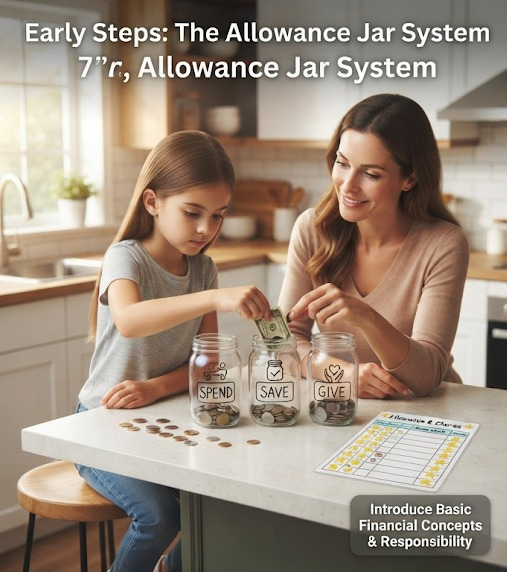
Teaching children how to manage money is one of the most valuable life skills parents can provide. A structured, age-based allowance helps children understand the importance of earning, saving, spending, and giving. Rather than simply handing out money, parents can use allowances as a practical tool to build financial responsibility and confidence. By introducing money concepts gradually, children develop healthy financial habits that can benefit them well into adulthood.
Why Teaching Money Management Early Matters
Children begin forming financial habits at a young age. When they learn how to make thoughtful spending decisions, save for future goals, and understand the value of money, they become more prepared for financial independence.
Money management lessons also improve essential life skills such as:
- Decision-making
- Responsibility
- Goal setting
- Patience
- Budgeting
An age-appropriate allowance creates real-life opportunities for children to practise these skills in a safe environment.
What Is an Age-Based Allowance?
An age-based allowance is a regular amount of money given to children based on their age and level of responsibility. The allowance should match their understanding of money and provide enough opportunities to make meaningful financial decisions without creating unnecessary pressure.
Parents may choose to provide a weekly or monthly allowance. The focus should remain on teaching financial responsibility rather than rewarding every household task.
Money Management Tips for Ages 4–7
Young children are just beginning to understand numbers and money. Keep lessons simple and interactive.
Introduce basic concepts such as:
- Identifying coins and notes
- Saving for small toys
- Understanding needs versus wants
- Counting money
Use clear jars labelled “Spend,” “Save,” and “Give.” This visual system helps children see where their money goes and encourages balanced financial habits.
At this stage, even small amounts can teach valuable lessons about waiting before making purchases.

Financial Lessons for Ages 8–12
Children in this age group can begin making more independent financial decisions. They are capable of setting savings goals and understanding simple budgeting.
Parents can encourage them to:
- Save for books, games, or sports equipment
- Compare prices before buying
- Keep track of their spending
- Learn basic budgeting
This is also a great time to introduce delayed gratification. If children want a larger purchase, encourage them to save their allowance over several weeks instead of receiving instant rewards.
Teaching Teenagers Financial Responsibility
Teenagers face more complex financial choices, making this the ideal time to introduce advanced money management skills.
Their allowance may cover expenses such as:
- Entertainment
- Mobile phone costs
- Clothing
- School activities
- Personal hobbies
Parents can teach teenagers how to create a monthly budget, monitor expenses, and prioritise spending. They can also introduce concepts such as bank accounts, debit cards, interest, taxes, and responsible digital payments.
These lessons prepare teenagers for university, employment, and independent living.
Should Allowances Be Linked to Chores?
Many parents debate whether allowances should be tied to household chores.
One effective approach is separating family responsibilities from paid work.
Basic household tasks, such as cleaning bedrooms or setting the table, should be considered part of contributing to the family. However, optional jobs like washing the car, gardening, or organising storage areas can provide opportunities to earn extra money.
This approach teaches both responsibility and the value of earning additional income.
Encourage Saving, Spending, and Giving
A balanced money management system teaches children that money serves different purposes.
Encourage them to divide each allowance into three categories:
- Saving: For future goals and larger purchases.
- Spending: For small treats and personal choices.
- Giving: To charities or helping others.
This simple strategy builds financial awareness while promoting generosity and thoughtful decision-making.
Common Mistakes Parents Should Avoid
Parents can unintentionally reduce the effectiveness of allowance lessons by making common mistakes.
Avoid:
- Giving unlimited extra money after poor spending decisions.
- Criticising every purchase children make.
- Using money solely as a reward or punishment.
- Setting unrealistic saving goals.
- Failing to discuss financial decisions openly.
Instead, allow children to experience the natural consequences of their choices while offering guidance and support.
Teaching kids money management through age-based allowances creates lifelong financial skills that extend far beyond childhood. By introducing budgeting, saving, responsible spending, and generosity at each developmental stage, parents help children become confident and financially responsible adults. Consistent guidance, open conversations, and practical experience are far more valuable than the amount of allowance itself. Starting early with age-appropriate financial lessons gives children the knowledge and confidence they need to make smart money decisions throughout their lives.
Read Also: Wedding Website Design