
The concept of fatherhood has undergone a remarkable transformation over the past few decades. Today, the equal care shift modern fatherhood roles movement is redefining parenting by encouraging fathers to become active participants in childcare, household responsibilities, and emotional support. Instead of being viewed solely as financial providers, modern fathers are embracing a balanced approach that benefits children, partners, and society as a whole.
As workplaces become more flexible and family dynamics continue to evolve, equal parenting is no longer just an ideal—it is becoming the new normal. This article explores how modern fatherhood is changing, why shared caregiving matters, and the positive impact it has on families.
Understanding the Equal Care Shift
The equal care shift refers to the growing trend of fathers sharing parenting responsibilities equally with mothers. This includes feeding babies, attending school meetings, helping with homework, preparing meals, managing bedtime routines, and participating in daily household tasks.
Unlike traditional parenting models where caregiving primarily rested with mothers, today’s fathers are stepping forward to become hands-on caregivers. This shift reflects changing social attitudes, improved parental leave policies, and greater awareness of the importance of both parents in a child’s development.
Why Modern Fatherhood Matters
Children thrive when they have strong relationships with both parents. Active fathers contribute to their children’s emotional security, confidence, and social development. Research consistently shows that children with involved fathers often perform better academically, develop stronger communication skills, and experience better mental well-being.
Modern fatherhood also strengthens family relationships by creating a partnership where responsibilities are shared rather than divided by outdated gender roles.
Benefits of Equal Parenting Responsibilities
Stronger Parent-Child Bonds
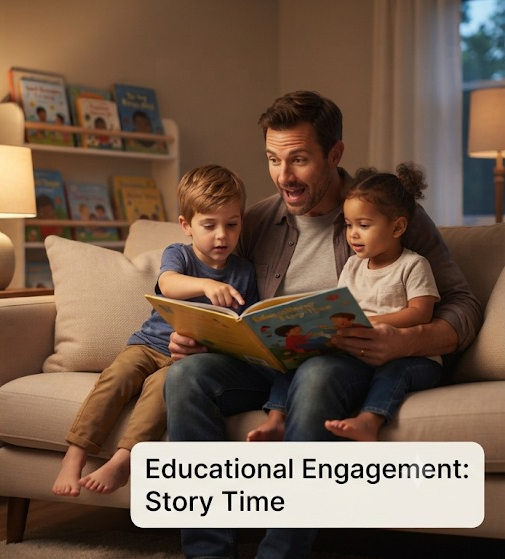
Daily involvement helps fathers build meaningful relationships with their children. Simple activities like reading bedtime stories, playing games, or helping with schoolwork create lasting memories and emotional trust.
Better Support for Mothers
Sharing childcare responsibilities reduces stress and prevents parental burnout. Mothers receive valuable emotional and practical support, allowing both parents to maintain healthier work-life balance.
Healthier Child Development
Children raised with actively involved fathers often demonstrate improved emotional intelligence, higher self-esteem, and stronger problem-solving abilities. Equal caregiving also teaches children valuable lessons about respect, cooperation, and equality.
Improved Family Relationships
When parenting responsibilities are shared fairly, couples often experience better communication and stronger relationships. Working together as a parenting team reduces conflicts related to household duties and childcare.
Breaking Traditional Gender Stereotypes
For generations, society expected fathers to focus primarily on earning income while mothers managed the home. However, modern families are challenging these outdated beliefs.
Today’s fathers confidently change nappies, prepare lunches, attend parent-teacher meetings, and comfort sick children. Their active participation demonstrates that caregiving is not defined by gender but by love, responsibility, and commitment.
Children raised in such households grow up understanding that both men and women can equally contribute to family life.
Workplace Support for Modern Fathers
Many organisations now recognise the importance of supporting fathers through flexible working arrangements and parental leave policies. Remote work, hybrid schedules, flexible hours, and paid paternity leave enable fathers to spend more time with their families without sacrificing career growth.
Employers that encourage family-friendly policies often benefit from increased employee satisfaction, improved productivity, and higher retention rates.
Challenges Fathers Still Face
Despite significant progress, many fathers continue to face challenges when embracing equal caregiving roles.
Some common obstacles include:
- Limited paternity leave options.
- Workplace expectations that prioritise long working hours.
- Cultural stereotypes about traditional gender roles.
- Social pressure discouraging emotional expression in men.
- Insufficient parenting support tailored for dads.
Addressing these barriers requires support from employers, policymakers, and communities alike.
Practical Ways Fathers Can Share Care Equally
Modern fatherhood is built on consistent daily involvement rather than occasional help. Fathers can contribute by:
- Sharing morning and bedtime routines.
- Attending healthcare appointments.
- Participating in school activities.
- Dividing household chores fairly.
- Supporting children’s emotional needs.
- Communicating openly with their parenting partner.
- Creating quality family time every week.
Small, consistent actions often have the greatest long-term impact.
The Future of Fatherhood
As society continues to embrace equality, fatherhood will become even more collaborative. Younger generations increasingly value shared parenting, work-life balance, and emotional connection within families.
Technology, flexible employment, and progressive family policies will further encourage fathers to remain active participants throughout every stage of their children’s lives.
The future points toward parenting partnerships where caregiving responsibilities are shared naturally, benefiting every member of the family.
The equal care shift modern fatherhood roles movement represents one of the most positive changes in modern family life. Fathers are no longer confined to traditional provider roles but are becoming nurturing caregivers, supportive partners, and engaged parents.
Equal parenting strengthens children’s development, improves family relationships, supports mothers, and promotes gender equality. By embracing shared responsibilities, modern fathers help build healthier families and a more balanced society. As this shift continues to grow, future generations will benefit from stronger emotional connections, greater equality, and more fulfilling family experiences.
Read Also: Wedding Website Design