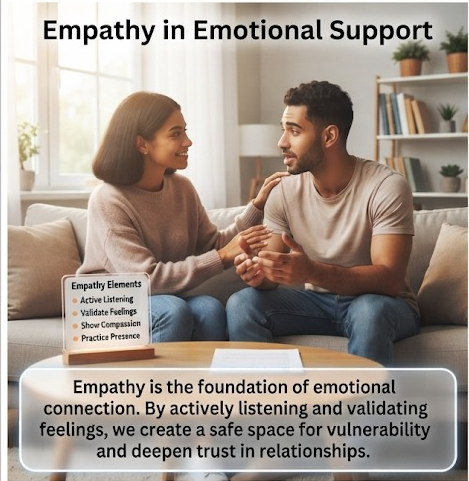
Successful human connections are built on trust, comprehension, and mutual admiration. Among all the qualities that strengthen these bonds, empathy stands out as one of the most valuable. The role of empathy in human relationships goes beyond simply understanding another person’s emotions—it involves genuinely connecting with their experiences and responding with kindness and compassion. Whether in families, friendships, workplaces, or romantic partnerships, empathy creates stronger and healthier relationships that can withstand challenges.
What Is Empathy?
Empathy is the ability to understand and share another person’s feelings and perspectives. Unlike sympathy, which involves feeling sorry for someone, empathy means putting yourself in another person’s shoes and recognizing their emotions without judgment.
There are three main types of empathy:
- Emotional empathy: Emotional empathy involves experiencing the emotions of another individual.
- Cognitive empathy: Understanding another person’s thoughts and perspective.
- Compassionate empathy: Understanding emotions and taking positive action to help.
Developing these forms of empathy improves communication and encourages meaningful human connections.
Why Empathy Is Important in Human Relationships
Empathy plays a vital role in building trust and emotional security. When people feel heard and understood, they become more comfortable expressing themselves openly.
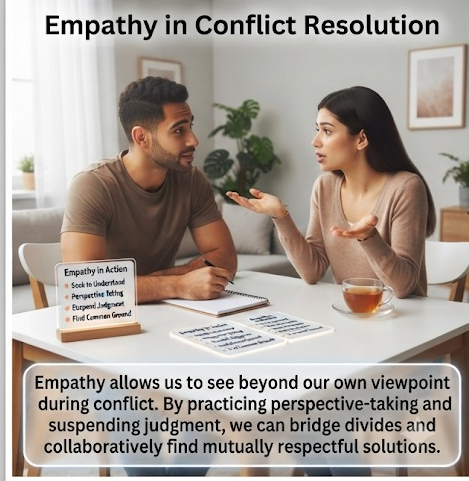
Strong relationships are built on effective communication, and empathy helps reduce misunderstandings by encouraging individuals to listen carefully before responding. Instead of making assumptions, empathetic people seek to understand different viewpoints, leading to healthier conversations and fewer conflicts.
In both personal and professional relationships, empathy creates an environment where people feel valued and respected.
Empathy Strengthens Family Bonds
Families experience disagreements, stress, and emotional challenges throughout life. Empathy helps family members understand one another’s feelings without rushing to criticize or blame.
Parents who practice empathy create a safe emotional environment where children feel comfortable sharing their concerns. Similarly, siblings and extended family members can resolve conflicts more peacefully when they genuinely listen to each other’s perspectives.
By showing patience, understanding, and emotional support, empathy strengthens family relationships and promotes long-term trust.
The Role of Empathy in Friendships
Healthy friendships depend on emotional support and mutual understanding. Friends who demonstrate empathy become reliable sources of encouragement during difficult times.
Whether someone is dealing with career stress, personal loss, or mental health struggles, an empathetic friend offers comfort by listening without judgment. This emotional support deepens trust and strengthens the friendship over time.
Empathy also helps friends celebrate each other’s achievements sincerely, creating balanced and lasting relationships.
Empathy in Romantic Relationships
Successful romantic relationships require emotional intimacy, and empathy is one of its strongest foundations.
Partners who understand each other’s emotions communicate more effectively, resolve disagreements calmly, and build deeper emotional connections. Instead of reacting defensively during conflicts, empathetic partners try to understand the feelings behind each other’s words.
Small acts of empathy—such as listening attentively, validating emotions, or offering support during stressful moments—can significantly improve relationship satisfaction and long-term commitment.
Empathy in the Workplace
Empathy is equally valuable in professional environments. Managers who understand their employees’ challenges create supportive workplaces that encourage productivity and collaboration.
Colleagues who practice empathy communicate respectfully, solve problems together, and reduce workplace conflicts. Businesses that foster empathy often experience improved teamwork, higher employee satisfaction, and stronger customer relationships.
As remote and hybrid work continue to grow, empathy has become an essential leadership skill for maintaining healthy workplace culture.
How to Develop Greater Empathy
Empathy is a skill that anyone can improve with practice. Some effective ways to become more empathetic include:
- Listen actively without interrupting.
- Pay attention to body language and tone of voice.
- Avoid judging others too quickly.
- Ask thoughtful questions to understand different perspectives.
- Practice patience during disagreements.
- Reflect on your own emotions and experiences.
Consistently practicing these habits helps create more meaningful interactions in everyday life.
The significance of empathy in human relationships is extremely important. It builds trust, improves communication, strengthens emotional bonds, and helps people navigate life’s challenges together. Whether in families, friendships, romantic partnerships, or workplaces, empathy encourages compassion, understanding, and respect.
As society becomes increasingly fast-paced and digitally connected, genuine empathy remains one of the most powerful qualities that brings people closer together. By making a conscious effort to listen, understand, and support others, we can create healthier relationships and a more compassionate world for everyone.
Private Places for Couples in Kolkata
Read Also: Adult Toys Website Design