Parenting in today’s world involves making thoughtful decisions that benefit both children and the environment. As climate awareness continues to grow, many families are embracing sustainable parenting choices that reduce waste, conserve resources, and create a healthier future for the next generation. From selecting eco-friendly baby products to adopting reusable essentials, sustainable parenting is no longer a trend—it is a responsible lifestyle.
Making environmentally conscious choices does not mean sacrificing comfort or convenience. Instead, it encourages parents to invest in safe, durable, and non-toxic products that support their baby’s health while minimizing environmental impact.
Why Sustainable Parenting Matters
Every baby uses thousands of diapers, wipes, clothing items, and feeding accessories during the first few years of life. A lot of these items are made for one-time use, leading to a considerable amount of garbage in landfills. By choosing sustainable alternatives, parents can reduce their household’s carbon footprint while teaching valuable environmental values from the beginning.
Sustainable parenting also promotes healthier living. Eco-friendly baby products are often made without harsh chemicals, synthetic fragrances, or harmful plastics, making them a safer option for sensitive baby skin and developing immune systems.
Choose Eco-Friendly Baby Essentials
One of the easiest ways to begin sustainable parenting is by selecting environmentally friendly baby products. Organic cotton clothing, bamboo towels, reusable cloth diapers, and biodegradable wipes are excellent alternatives to conventional items.
When shopping for baby essentials, look for products made from natural, renewable, or recycled materials. Certifications for organic textiles and non-toxic manufacturing can also help parents make informed purchasing decisions.
Quality should always take priority over quantity. Purchasing durable products that last longer reduces waste and saves money over time.
Embrace Reusable Baby Products
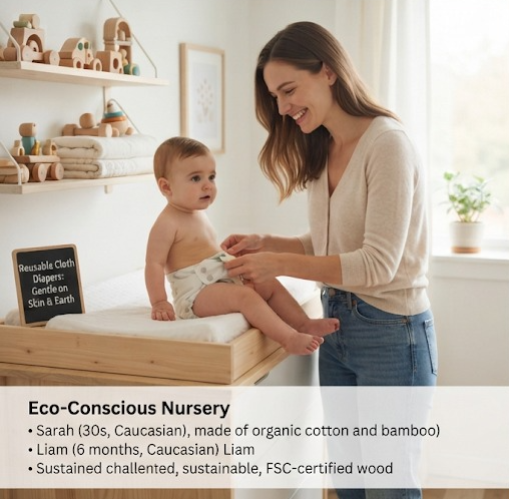
Reusable baby items have become increasingly popular among environmentally conscious families. Cloth diapers, washable nursing pads, reusable food pouches, and silicone feeding utensils significantly reduce disposable waste.
Although reusable products may require a higher initial investment, they often provide long-term savings. Modern cloth diapers, for example, are easy to wash, highly absorbent, and available in stylish designs that suit every family’s preferences.
Using reusable products also decreases dependence on single-use plastics, helping protect natural ecosystems for future generations.

Sustainable Feeding Practices
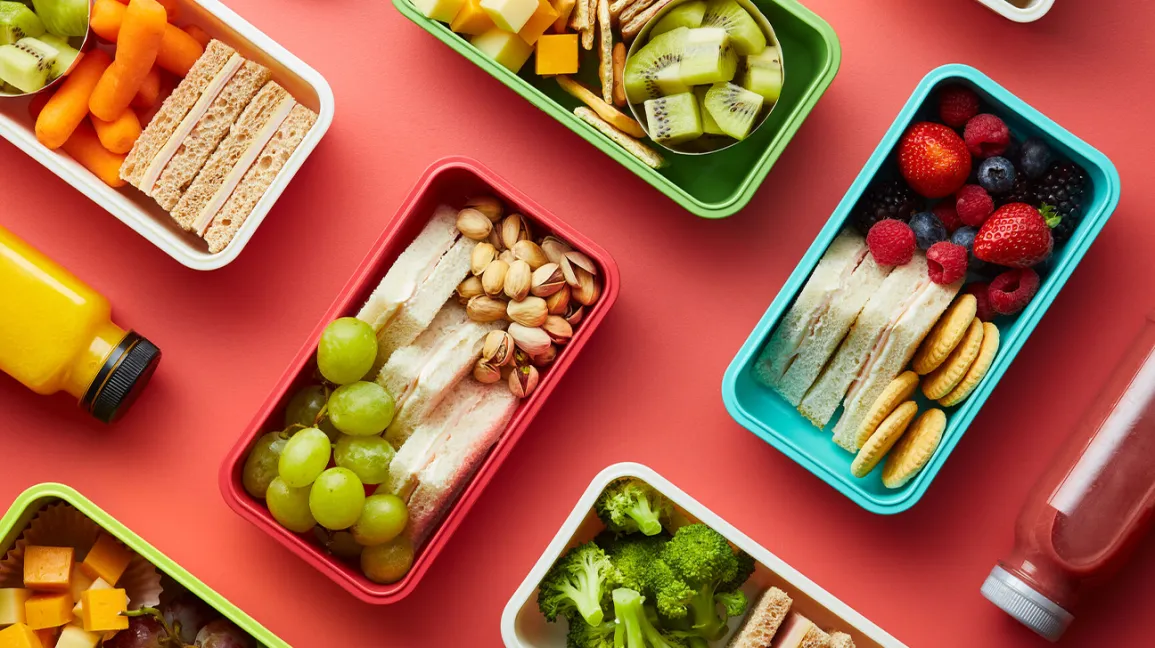
Feeding choices also contribute to a more sustainable lifestyle. Glass baby bottles, stainless steel containers, silicone bibs, and reusable snack bags are practical alternatives to disposable plastic products.
Parents preparing homemade baby food can reduce packaging waste while ensuring fresh, nutritious meals. Buying seasonal fruits and vegetables from local farmers supports local agriculture and lowers transportation-related emissions.
When breastfeeding is possible, it naturally reduces packaging waste and resource consumption while providing excellent nutritional benefits for babies.
Buy Less, Choose Better
Babies grow quickly, making it tempting to purchase numerous outfits, toys, and accessories. However, practicing mindful shopping can reduce unnecessary consumption.
Choose timeless, high-quality baby clothing that lasts through multiple growth stages. Consider accepting hand-me-downs from friends or family, shopping second-hand, or donating gently used baby items after your child outgrows them.
Many toys made from sustainably sourced wood or recycled materials offer greater durability than inexpensive plastic alternatives while encouraging creative play.
Create a Greener Nursery
Designing an eco-friendly nursery starts with selecting sustainable furniture and safe décor. Look for cribs, dressers, and shelves made from responsibly sourced wood and finished with low-VOC or non-toxic paints.
Energy-efficient LED lighting, organic cotton bedding, natural fiber rugs, and proper ventilation contribute to a healthier indoor environment. Adding indoor plants that are safe around children can further improve air quality while creating a calming atmosphere.
Small improvements throughout the nursery can have lasting environmental and health benefits.
Teach Sustainability Through Everyday Habits
Children learn by observing their parents. Simple daily habits like recycling, conserving water, switching off unused lights, and using reusable shopping bags establish lifelong environmental awareness.
As babies grow into toddlers, involving them in small eco-friendly activities helps develop respect for nature. Reading books about wildlife, gardening together, and spending time outdoors encourage a deeper appreciation for the environment.
These everyday actions create meaningful lessons that extend well beyond childhood.
Sustainable parenting choices for modern babies combine thoughtful purchasing decisions with environmentally responsible habits. By choosing reusable products, supporting eco-friendly brands, reducing waste, and creating healthier living spaces, parents can protect both their child’s well-being and the planet.
Every small change contributes to a more sustainable future. Whether switching to cloth diapers, buying organic clothing, or reducing plastic use, each decision helps create a cleaner, greener world where today’s babies can thrive for generations to come.
Read Also: Wedding Website Design