
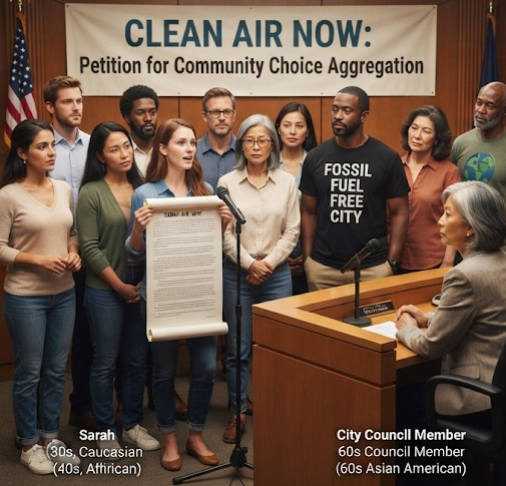
Protecting the environment begins at the local level. While national governments create broad environmental policies, local governments have the power to implement practical solutions that directly affect communities. From improving waste management to expanding green spaces and promoting renewable energy, city councils and municipal authorities make decisions that shape everyday life. Lobbying local governments for environmental change is one of the most effective ways citizens, businesses, and community organizations can influence sustainable development. By participating in local decision-making, people can create healthier neighborhoods, reduce pollution, and build climate-resilient communities for future generations.
Why Local Governments Matter
Local governments are responsible for many public services that have a direct environmental impact. They oversee waste collection, public transportation, water management, land use planning, parks, and building regulations. Because these responsibilities are close to the community, residents can often communicate directly with local officials and participate in council meetings.
Unlike national policy changes, local environmental initiatives can often be introduced and implemented more quickly. A successful campaign at the local level can also inspire neighboring cities and regions to adopt similar sustainable practices, creating a broader positive impact.
Effective Ways to Lobby for Environmental Change
Lobbying is not simply about protesting. It involves presenting well-researched ideas, building relationships with decision-makers, and encouraging practical solutions. Citizens should first identify the environmental issue they want to address, such as plastic waste, poor air quality, water pollution, or lack of green spaces.
Collecting reliable data strengthens any proposal. Statistics, scientific research, and examples from other successful municipalities demonstrate that recommended solutions are both practical and effective. Organizing petitions, community meetings, and awareness campaigns can further show local leaders that residents support environmental improvements.
Writing respectful letters, attending public hearings, and requesting meetings with elected representatives also help establish constructive communication. Decision-makers are more likely to support proposals that include clear benefits, realistic budgets, and measurable outcomes.

Building Community Support
Environmental campaigns become more successful when they involve a wide range of community members. Schools, businesses, environmental organizations, healthcare professionals, and neighborhood associations can work together toward common goals. Community clean-up events, tree planting drives, recycling campaigns, and educational workshops encourage public participation while demonstrating commitment to environmental protection.
Social media also plays a valuable role in raising awareness. Sharing educational content, success stories, and upcoming public meetings helps mobilize residents and encourages greater civic engagement. Strong public support often motivates local governments to prioritize environmental initiatives.
Environmental Policies Worth Supporting
There are many practical policies that local governments can adopt to improve environmental sustainability. Expanding recycling programs reduces landfill waste and encourages responsible resource management. Investing in renewable energy for public buildings lowers greenhouse gas emissions while reducing long-term energy costs.
Improving cycling infrastructure and public transportation decreases traffic congestion and air pollution. Protecting wetlands, forests, and urban green spaces enhances biodiversity while improving residents’ quality of life. Local governments can also encourage sustainable building practices by adopting green construction standards and offering incentives for energy-efficient homes and businesses.
Water conservation programs, rainwater harvesting systems, and better stormwater management further strengthen community resilience against climate change and extreme weather events.
Overcoming Common Challenges
Lobbying for environmental change can face obstacles such as limited budgets, political differences, or public resistance. However, these challenges can often be overcome through collaboration and education. Demonstrating the long-term economic benefits of sustainable projects, including lower energy costs, reduced healthcare expenses, and increased tourism, helps decision-makers understand that environmental investments also support local economic growth.
Patience and persistence are equally important. Many successful environmental policies result from continuous advocacy rather than immediate action. Maintaining positive relationships with local officials increases the chances of future collaboration and lasting change.
Lobbying local governments for environmental change empowers communities to create cleaner, healthier, and more sustainable places to live. Through research, public participation, and constructive dialogue with local leaders, citizens can influence policies that protect natural resources and improve quality of life. Every successful local initiative contributes to the global effort against climate change and environmental degradation. By working together, communities and local governments can build a greener future that benefits both current and future generations.
Andaman and Nicobar Islands Forests
Tours And Travels Website Design