
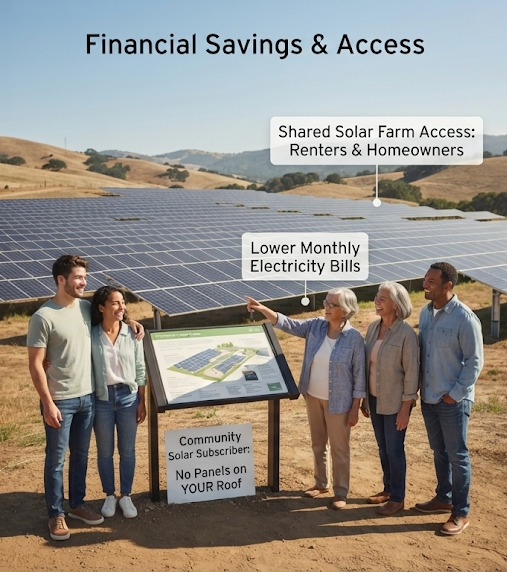
With the increasing prices of electricity, numerous individuals are looking for cost-effective and eco-friendly methods to supply energy to their households. One of the easiest solutions available today is joining community solar programs. These programs make solar energy accessible to homeowners, renters, and businesses without requiring rooftop solar panels or expensive installations.
In this article, we’ll explain community solar programs in simple terms, how they work, and the biggest benefits they offer.
What Are Community Solar Programs?
A community solar program is a shared solar energy project where multiple households or businesses benefit from electricity generated by a single solar farm. Instead of installing solar panels on your own roof, you subscribe to a portion of a nearby solar project.
The electricity produced by the solar farm is sent to the local power grid. Participants receive credits on their electricity bills based on the amount of energy their share generates. This makes renewable energy available to people who cannot install solar panels due to renting, roof limitations, or financial constraints.
How Do Community Solar Programs Work?
The process is simple and convenient:
- A solar company builds and maintains a large solar farm.
- Residents or businesses subscribe to a portion of the project.
- The solar farm generates electricity and sends it to the local utility grid.
- Subscribers receive credits on their monthly electricity bills.
- Many programs allow participants to save money without paying upfront installation costs.
Because the provider manages the equipment and maintenance, subscribers enjoy the benefits of solar energy without the responsibilities of owning a solar system.
Top Benefits of Community Solar Programs
1. Lower Electricity Bills
One of the biggest advantages is the opportunity to reduce monthly energy costs. Subscribers typically receive utility bill credits that can lead to noticeable savings over time. While savings vary depending on location and program rules, many households enjoy lower electricity expenses throughout the year.
2. No Rooftop Solar Installation Needed
Not all residences are appropriate for solar panel installation. Apartments, shaded roofs, older buildings, or properties with homeowner restrictions often make rooftop installations impossible. Community solar removes these barriers by allowing anyone in the service area to participate.
3. No Maintenance Responsibilities
Owning solar panels means handling maintenance, repairs, cleaning, and equipment monitoring. With community solar, the provider manages everything. Subscribers simply enjoy the energy savings without worrying about system upkeep.
4. Supports Clean Energy
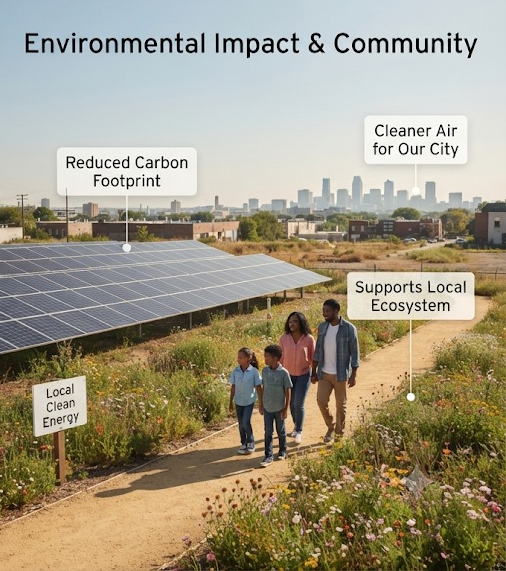
Community solar helps reduce dependence on fossil fuels by increasing the use of renewable energy. Solar power produces electricity without harmful greenhouse gas emissions, making it an environmentally responsible choice for individuals who want to reduce their carbon footprint.
5. Flexible for Renters
Renters are often unable to install rooftop solar systems because they do not own the property. Community solar offers an excellent alternative by allowing renters to participate in renewable energy programs without making permanent property changes.
Who Can Join a Community Solar Program?
Community solar is designed to serve a wide range of participants, including:
- Homeowners
- Renters
- Small businesses
- Schools
- Nonprofit organizations
- Community groups
Eligibility depends on your local utility provider and whether community solar projects operate in your area.
Are There Any Drawbacks?
Although community solar offers many advantages, there are a few factors to consider. Availability varies by region, and not every utility company currently supports these programs. Savings also depend on local electricity rates and the specific subscription agreement. Before enrolling, carefully review the contract, cancellation terms, and expected bill credits.
Tips for Choosing the Right Community Solar Program
Before signing up, keep these points in mind:
- Compare estimated annual savings.
- Check whether there are enrollment or cancellation fees.
- Confirm the program works with your utility company.
- Read customer reviews and provider ratings.
- Understand how bill credits are calculated.
- Choose providers with transparent pricing and clear contracts.
Taking a little time to compare options can help you maximize your long-term savings.
Community solar programs provide a practical, affordable, and environmentally friendly way to enjoy the benefits of renewable energy without installing solar panels at home. They make clean electricity accessible to renters, homeowners, businesses, and organizations while helping reduce energy costs and supporting a greener future.
As more regions invest in renewable energy infrastructure, community solar is becoming an increasingly popular option for people who want to lower their utility bills and contribute to a cleaner environment. If community solar is available in your area, it may be one of the simplest ways to participate in the transition toward sustainable energy without the expense or maintenance of owning a personal solar system.
Andaman and Nicobar Islands Forests
Tours And Travels Website Design