Human hormones are powerful chemical messengers that regulate nearly every function of the body. From growth and metabolism to mood, sleep, and reproduction, hormones ensure that different organs communicate effectively. Even a slight hormonal imbalance can affect physical health, emotional well-being, and overall quality of life. Understanding the science behind hormones helps us appreciate how our bodies maintain balance and adapt to changing environments.
In this article, we explore fascinating scientific facts about human hormones, their functions, and how they influence everyday life.
What Are Human Hormones?
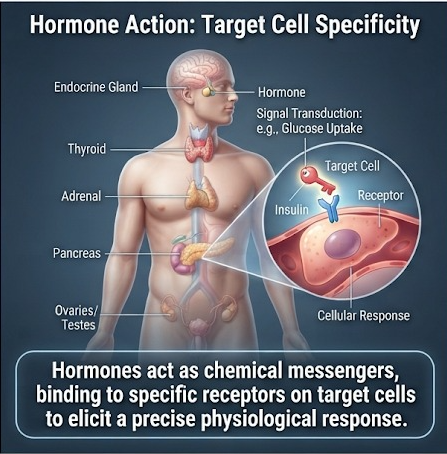
Hormones are chemical substances produced by specialized glands in the endocrine system. They travel through the bloodstream to target organs and tissues, where they regulate specific biological processes. Unlike nerves, which send rapid electrical signals, hormones work more gradually but often have longer-lasting effects.
Major hormone-producing glands include the pituitary gland, thyroid gland, adrenal glands, pancreas, ovaries, and testes.
The Endocrine System-Your Body’s Communication Network
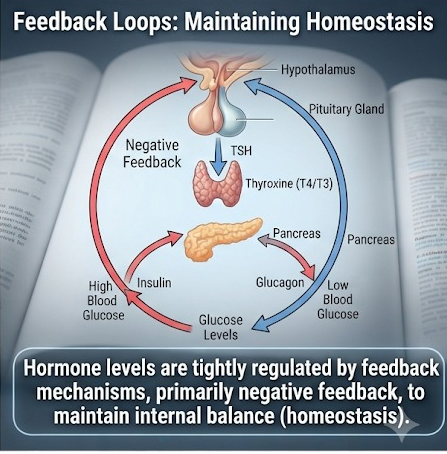
The endocrine system consists of glands that release hormones directly into the bloodstream. Each hormone has a specific role, but they often work together to maintain homeostasis—the body’s stable internal environment.
Some of the primary endocrine glands include:
- Pituitary gland – Often called the “master gland.”
- Thyroid gland – Controls metabolism.
- Adrenal glands assist the body in reacting to stress.
- Pancreas – Regulates blood sugar.
- Ovaries and testes – Produce reproductive hormones.
Proper coordination among these glands is essential for overall health.
Scientific Facts About Human Hormones
1. The Human Body Produces More Than 50 Different Hormones
Scientists have identified over 50 hormones that regulate various bodily functions. Each hormone targets specific cells using unique receptors, ensuring precise communication throughout the body.
2. The pituitary gland is commonly referred to as the master gland
Although it is only about the size of a pea, the pituitary gland controls several other endocrine glands. It produces hormones that regulate growth, reproduction, and water balance.
3. Hormones Influence Your Mood
Hormones such as serotonin, dopamine, oxytocin, and cortisol significantly affect emotional health. Balanced hormone levels contribute to happiness and relaxation, while imbalances may lead to anxiety, depression, or mood swings.
4. Cortisol Is the Body’s Main Stress Hormone
Cortisol is released by the adrenal glands during stressful situations. It helps increase blood sugar, improve alertness, and provide energy. However, consistently high cortisol levels may contribute to weight gain, high blood pressure, and weakened immunity.
5. Insulin Controls Blood Sugar Levels
The hormone insulin, which is made by the pancreas, enables glucose to get into cells for energy production. Insufficient insulin production or poor insulin response can result in diabetes, one of the most common endocrine disorders worldwide.
6. Growth Hormone Supports More Than Height
Growth hormone not only promotes height during childhood but also supports muscle growth, tissue repair, bone strength, and healthy metabolism throughout adulthood.
7. Melatonin Regulates Sleep
Melatonin production increases as darkness falls, helping prepare the body for sleep. Exposure to bright screens before bedtime can suppress melatonin production, making it harder to fall asleep.
8. Thyroid Hormones Affect Metabolism
The thyroid gland produces hormones that regulate how quickly the body burns calories. Overactive or underactive thyroid function can cause weight changes, fatigue, and temperature sensitivity.
9. Oxytocin Is Known as the Love Hormone
Oxytocin plays a vital role in bonding between parents and children, romantic relationships, and friendships. It is released during hugging, childbirth, breastfeeding, and positive social interactions.
10. Hormones Constantly Change Throughout Life
Hormone levels naturally fluctuate during childhood, puberty, pregnancy, adulthood, and aging. These changes support growth, fertility, and healthy aging while influencing both physical and emotional development.
Signs of Hormonal Imbalance
Hormonal imbalances can occur due to stress, illness, genetics, aging, or lifestyle factors. Common symptoms include:
- Persistent fatigue
- Unexplained weight gain or loss
- Mood swings
- Difficulty sleeping
- Hair thinning
- Skin problems
- Irregular menstrual cycles
- Reduced energy levels
Medical evaluation and appropriate testing can help identify the underlying cause.
Natural Ways to Support Healthy Hormone Balance
Maintaining hormonal health often begins with healthy daily habits.
- Eat a balanced diet rich in whole foods.
- Exercise regularly to improve hormone regulation.
- Get 7–9 hours of quality sleep every night.
- Handle stress by practicing meditation, yoga, or deep breathing.
- Stay hydrated throughout the day.
- Limit excessive sugar and highly processed foods.
- Avoid smoking and excessive alcohol consumption.
- Schedule regular medical check-ups.
These habits help support the endocrine system and overall wellness.
Why Hormones Matter Every Day
Hormones influence nearly every aspect of human life, including appetite, energy, concentration, emotions, reproduction, immune function, and sleep. Because they work together as an interconnected system, maintaining hormonal balance is essential for long-term health.
Modern scientific research continues to uncover new insights into hormone function, leading to improved treatments for endocrine disorders and better understanding of human biology.
Human hormones are remarkable chemical messengers that quietly regulate countless processes every second of the day. From controlling metabolism and growth to influencing mood and sleep, these powerful molecules keep the body functioning efficiently. By understanding the scientific facts about human hormones and adopting healthy lifestyle habits, individuals can better support hormonal balance and overall well-being. Paying attention to hormonal health today can contribute to a healthier, more energetic future.
Liver Cancer Symptoms Cause and Remedy
Read Also: Medical Website Design