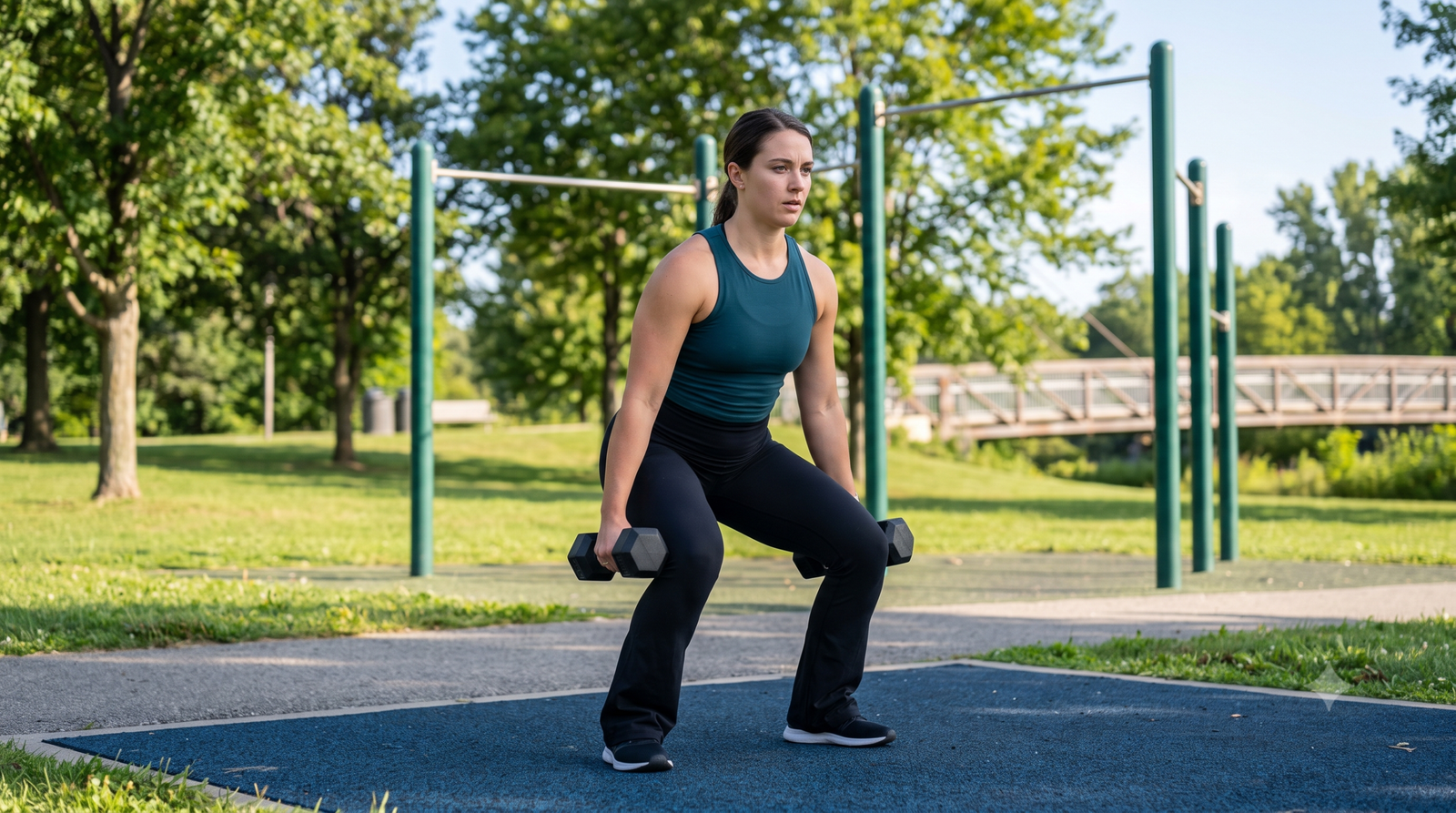
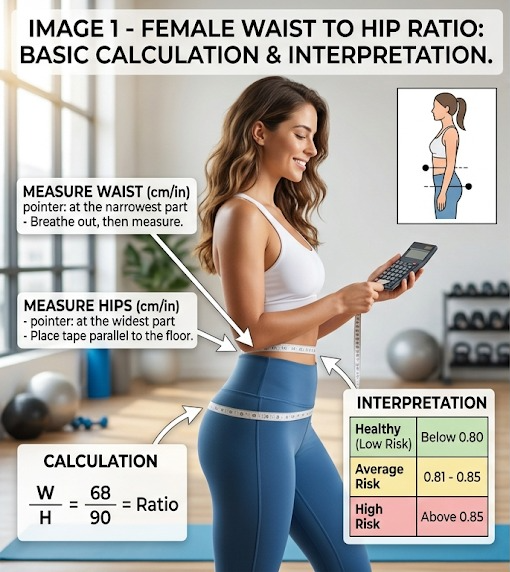
The ideal female waist to hip ratio (WHR) is a measurement that compares the circumference of the waist to that of the hips. It is widely used by healthcare professionals and fitness experts to assess body fat distribution and potential health risks. While beauty standards vary across cultures, the waist-to-hip ratio is primarily valued as a health indicator rather than an appearance measurement.
Research suggests that women with a waist-to-hip ratio of around 0.67 to 0.80 generally have a lower risk of obesity-related diseases. However, every body is unique, and this number should be considered alongside other health indicators such as Body Mass Index (BMI), physical activity, and overall lifestyle.
How to Calculate Waist to Hip Ratio
Calculating your waist-to-hip ratio is simple and requires only a measuring tape.
Step 1: Measure Your Waist
Measure your waist’s narrowest point, which is typically right above your belly button. Keep the tape snug but not tight, and avoid holding your breath.
Step 2: Measure Your Hips
Measure around the widest part of your hips and buttocks while standing naturally.
Step 3: Apply the Formula
Use the following formula:
Waist-to-Hip Ratio = Hip Measurement ÷ Waist Measurement
Example Calculation
- Waist: 70 cm
- Hips: 95 cm
Waist-to-Hip Ratio = 70 ÷ 95 = 0.74
A result of 0.74 falls within the generally healthy range for most adult women.
Healthy Waist to Hip Ratio for Women
Health organizations commonly classify waist-to-hip ratios as follows:
- Below 0.80: Low health risk
- 0.81–0.85: Moderate health risk
- Above 0.85: Higher health risk
These values help estimate the likelihood of developing conditions such as heart disease, type 2 diabetes, and metabolic syndrome. They should not replace professional medical advice but can serve as a useful screening tool.
Why Waist to Hip Ratio Matters
Unlike body weight alone, the waist-to-hip ratio indicates where fat is stored in the body. Excess fat around the abdomen, known as visceral fat, is linked to several chronic health conditions.
Maintaining a healthy waist-to-hip ratio may offer several benefits, including:
- Better cardiovascular health
- Lower risk of type 2 diabetes
- Improved metabolic function
- Healthier body composition
- Enhanced overall fitness
Monitoring this ratio over time can help you evaluate the effectiveness of your nutrition and exercise habits.
Tips to Improve Your Waist to Hip Ratio
If your waist-to-hip ratio is higher than recommended, lifestyle changes can gradually improve it.
Follow a Balanced Diet
Choose whole grains, lean proteins, fruits, vegetables, healthy fats, and plenty of water. Reducing sugary beverages and processed foods can help decrease abdominal fat.
Exercise Regularly
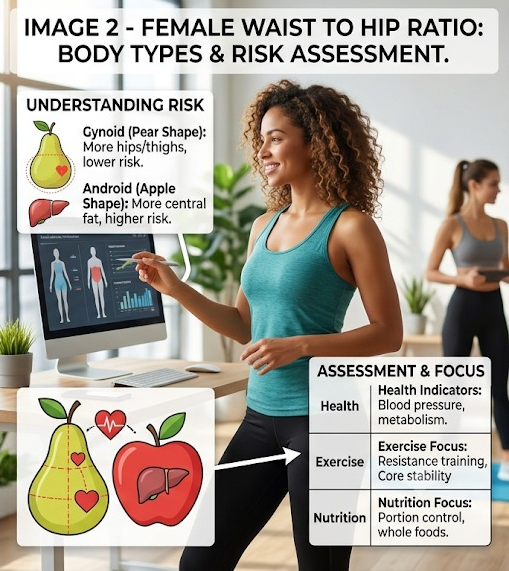
Combine cardiovascular activities like walking, cycling, or swimming with strength training exercises. Core workouts can improve muscle tone, although overall fat loss comes from maintaining a calorie balance.
Get Enough Sleep
Poor sleep is associated with increased fat accumulation around the waist. Aim for 7–9 hours of quality sleep each night.
Manage Stress
Chronic stress can increase cortisol levels, encouraging fat storage around the abdomen. Regular exercise, yoga, and meditation can all help lower stress.
Common Mistakes When Measuring Waist to Hip Ratio
Many people get inaccurate results due to incorrect measuring techniques. Avoid these common mistakes:
- Measuring over bulky clothing
- Pulling the measuring tape too tightly
- Measuring the waist at the wrong location
- Holding your breath during measurement
- Using different units for waist and hips
For the most accurate results, measure both areas using the same unit (inches or centimeters).
Is the Waist to Hip Ratio Superior to BMI?
Both measurements have their advantages. BMI estimates whether your weight is appropriate for your height, while the waist-to-hip ratio shows how body fat is distributed.
Many healthcare professionals recommend using both measurements together for a more complete understanding of overall health. Someone with a normal BMI but a high waist-to-hip ratio may still face increased health risks due to excess abdominal fat.
The ideal female waist to hip ratio is an easy yet effective measurement that provides valuable insight into body fat distribution and overall health. By measuring your waist and hips correctly, applying the simple formula, and maintaining healthy lifestyle habits, you can better understand your fitness progress and reduce the risk of chronic diseases. Remember that every body is different, and the goal should always be long-term health rather than achieving a single number.
Liver Cancer Symptoms Cause and Remedy
Read Also: Medical Website Design