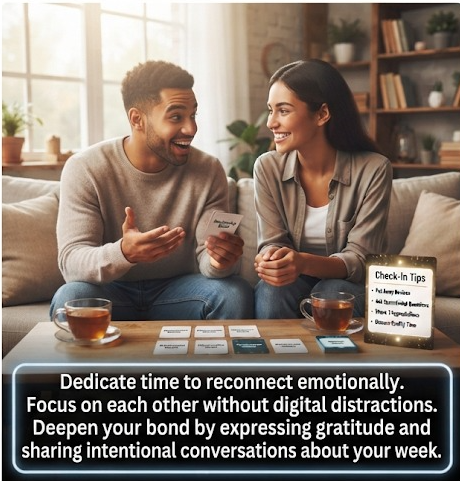
Establishing strong relationships requires trust, respect, communication, and mutual assistance. Although conflicts are common in relationships, there are specific actions that serve as red flags and should not be ignored. Recognizing relationship red flags early can protect your emotional well-being and help you make informed decisions about your future. In this article, we’ll explore the most important relationship red flags you should never ignore and why addressing them is essential.
1. Lack of Trust
Trust is the foundation of any successful relationship. If your partner constantly lies, hides important information, or gives you reasons to doubt their honesty, it can create lasting emotional damage. A relationship without trust often leads to anxiety, insecurity, and endless arguments. Healthy partners are transparent and dependable, making trust a natural part of the relationship.
2. Controlling Behavior
One of the biggest relationship red flags is controlling behavior. This may include monitoring your phone, restricting your friendships, deciding what you should wear, or constantly checking your location. While some people mistake control for love or concern, it is actually a sign of insecurity and manipulation. A healthy relationship encourages independence while maintaining mutual respect.
3. Poor Communication
Open and honest communication helps resolve conflicts and strengthens emotional bonds. If your partner refuses to discuss problems, ignores your feelings, or constantly avoids important conversations, unresolved issues will continue to grow. Effective communication involves listening, understanding, and working together to solve problems rather than blaming each other.
4. Emotional or Physical Abuse
All types of mistreatment should not be accepted under any circumstances. Emotional abuse can include insults, humiliation, constant criticism, threats, or manipulation, while physical abuse involves any act of violence. Abuse often begins subtly before escalating over time. Everyone deserves to feel safe, respected, and valued in a relationship. If abuse is present, seeking support from trusted friends, family, or professional services is essential.
5. Constant Jealousy
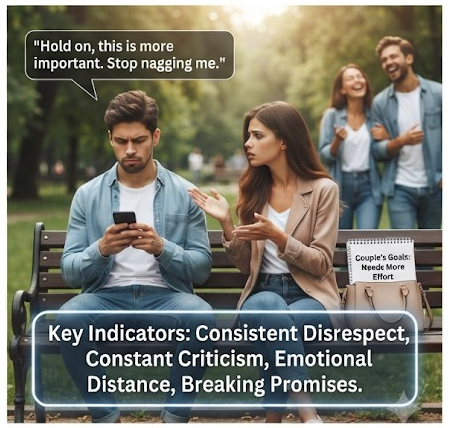
A little jealousy can be normal, but excessive jealousy is a serious warning sign. If your partner frequently accuses you of cheating without reason, becomes angry when you spend time with others, or isolates you from family and friends, it reflects possessiveness rather than love. Healthy relationships are built on confidence and trust, not suspicion.
6. Lack of Respect
Respect involves appreciating the viewpoints, limits, and uniqueness of each other. If your partner regularly mocks your achievements, dismisses your feelings, interrupts you, or embarrasses you in front of others, it indicates a lack of respect. Mutual respect is necessary for long-term happiness and emotional security.
7. Refusing to Take Responsibility
Nobody is perfect, and everyone makes mistakes. However, a partner who never apologizes, always blames others, or refuses to accept responsibility for their actions creates an unhealthy dynamic. Accountability is a sign of emotional maturity and helps couples grow stronger together.
8. Different Core Values
Differences in hobbies and interests are normal, but major disagreements about life goals, finances, family planning, or personal values can create long-term conflict. Discussing these topics early helps determine whether both partners share a compatible vision for the future.
How to Respond to Relationship Red Flags
Identifying indications of danger is just the initial phase. Have honest conversations about your concerns and observe whether your partner is willing to change. Healthy relationships involve effort from both individuals. If harmful behaviors continue despite repeated discussions, it may be necessary to seek professional counseling or reconsider the relationship altogether.
Ignoring relationship red flags can lead to emotional stress, broken trust, and long-term unhappiness. Healthy relationships are based on honesty, respect, communication, and mutual support. By identifying these warning signs early, you can protect your emotional health and build stronger, more fulfilling relationships. Remember, love should make you feel valued, secure, and respected—not fearful, controlled, or constantly uncertain.
Read Also: Wedding Website Design