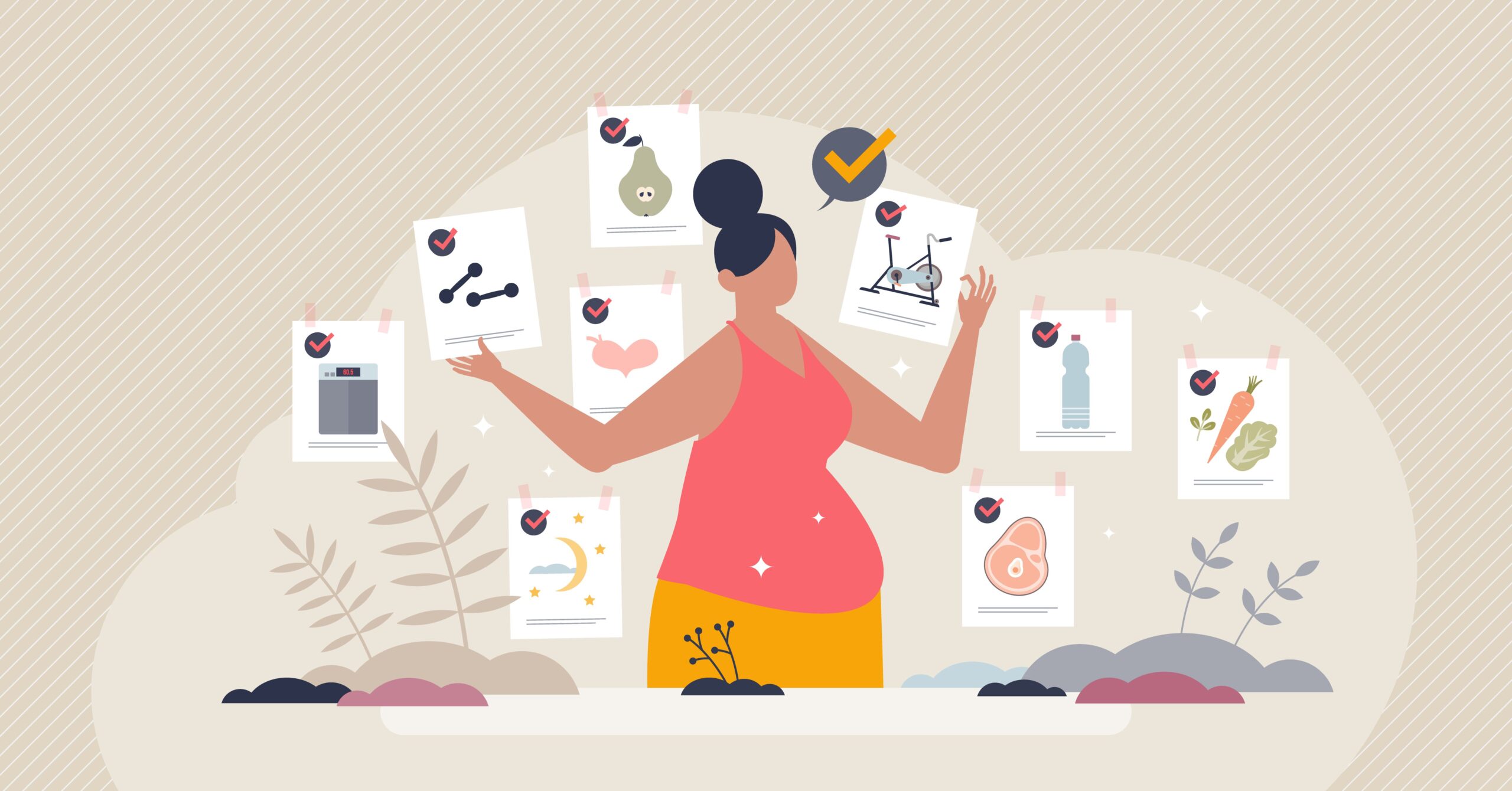
In today’s fast-paced world, maintaining good mental health has become more important than ever. Stress, work pressure, social expectations, and digital distractions can affect emotional well-being. Fortunately, adopting effective mental health self-care routines can help individuals manage stress, improve mood, and maintain a balanced lifestyle. Self-care is not a luxury; it is a necessity for overall mental wellness.
Why Mental Health Self-Care Matters
Mental health self-care refers to intentional activities that support emotional, psychological, and social well-being. Just as physical exercise strengthens the body, self-care routines strengthen the mind. Regular self-care helps reduce anxiety, prevent burnout, improve focus, and enhance resilience during challenging times.
When individuals prioritize their mental health, they are better equipped to handle daily responsibilities, maintain healthy relationships, and achieve personal goals.
Start Your Day with Mindfulness
One of the most effective self-care habits is practicing mindfulness in the morning. Instead of immediately checking emails or social media, spend a few minutes focusing on your breathing, thoughts, and surroundings.
Mindfulness techniques such as meditation, deep breathing exercises, or gratitude journaling can help create a positive mindset for the day ahead. Even five to ten minutes of mindfulness can significantly reduce stress and improve emotional stability.
Maintain a Healthy Sleep Schedule
Quality sleep plays a crucial role in mental health. Lack of sleep can exacerbate anxiety, mood swings, and attention issues. Establishing a consistent sleep routine helps the brain recover and regulate emotions effectively.
Make an effort to get up and go to sleep at the same time each day. Limit screen exposure before bedtime and create a relaxing nighttime environment. Prioritizing seven to nine hours of sleep can greatly improve mental clarity and emotional well-being.
Stay Physically Active
Physical activity is not only beneficial for the body but also for mental health. Exercise stimulates the release of endorphins, often called “feel-good hormones,” which help reduce stress and improve mood.
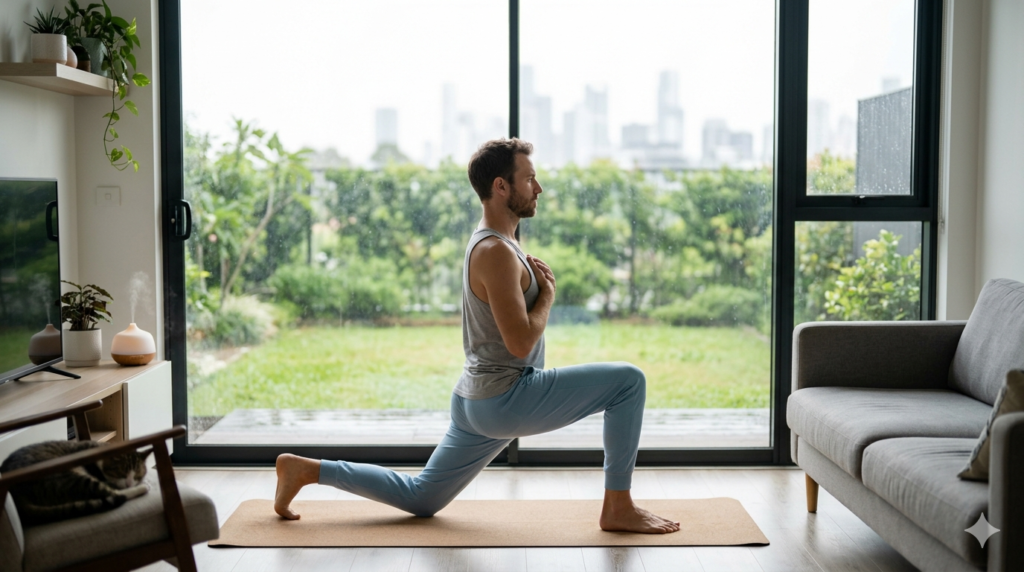
You don’t need an intense workout routine to experience the benefits. Walking, yoga, cycling, dancing, or stretching for 30 minutes a day can positively impact mental wellness. Consistency is more important than intensity when it comes to maintaining an active lifestyle.
Build Meaningful Social Connections
Human connection is essential for emotional health. Spending quality time with family, friends, or supportive communities can help reduce feelings of loneliness and isolation.
Make it a habit to check in with loved ones regularly. Whether through phone calls, video chats, or face-to-face interactions, maintaining healthy relationships provides emotional support and strengthens mental resilience.
Set Healthy Boundaries
Many people experience mental exhaustion because they struggle to say no. Setting healthy personal and professional boundaries is an important self-care practice.
Learn to protect your time and energy by prioritizing tasks that align with your goals and values. Taking breaks, limiting excessive commitments, and creating work-life balance can prevent stress and burnout.
Practice Digital Detox
Constant exposure to social media and digital devices can contribute to anxiety and information overload. Scheduling regular digital detox periods allows the mind to rest and recharge.
Consider setting screen-free hours during meals, before bedtime, or on weekends. Using this time for hobbies, reading, nature walks, or creative activities can improve mental well-being and increase productivity.
Nourish Your Mind with Positive Activities
Engaging in enjoyable activities helps reduce stress and promote happiness. Reading books, listening to music, gardening, painting, or learning a new skill can provide a sense of accomplishment and relaxation.
Finding time for hobbies encourages creativity and helps maintain a healthy balance between responsibilities and personal enjoyment.
Self-care regimens for mental health are necessary for keeping one’s emotions in check and improving one’s general quality of life. Simple habits such as mindfulness, quality sleep, regular exercise, healthy relationships, and digital detox can make a significant difference in mental well-being. By consistently practicing self-care, individuals can build resilience, reduce stress, and create a healthier, happier life. Remember, taking care of your mental health is one of the most valuable investments you can make in yourself.
Liver Cancer Symptoms Cause and Remedy
Read Also: Medical Website Design