
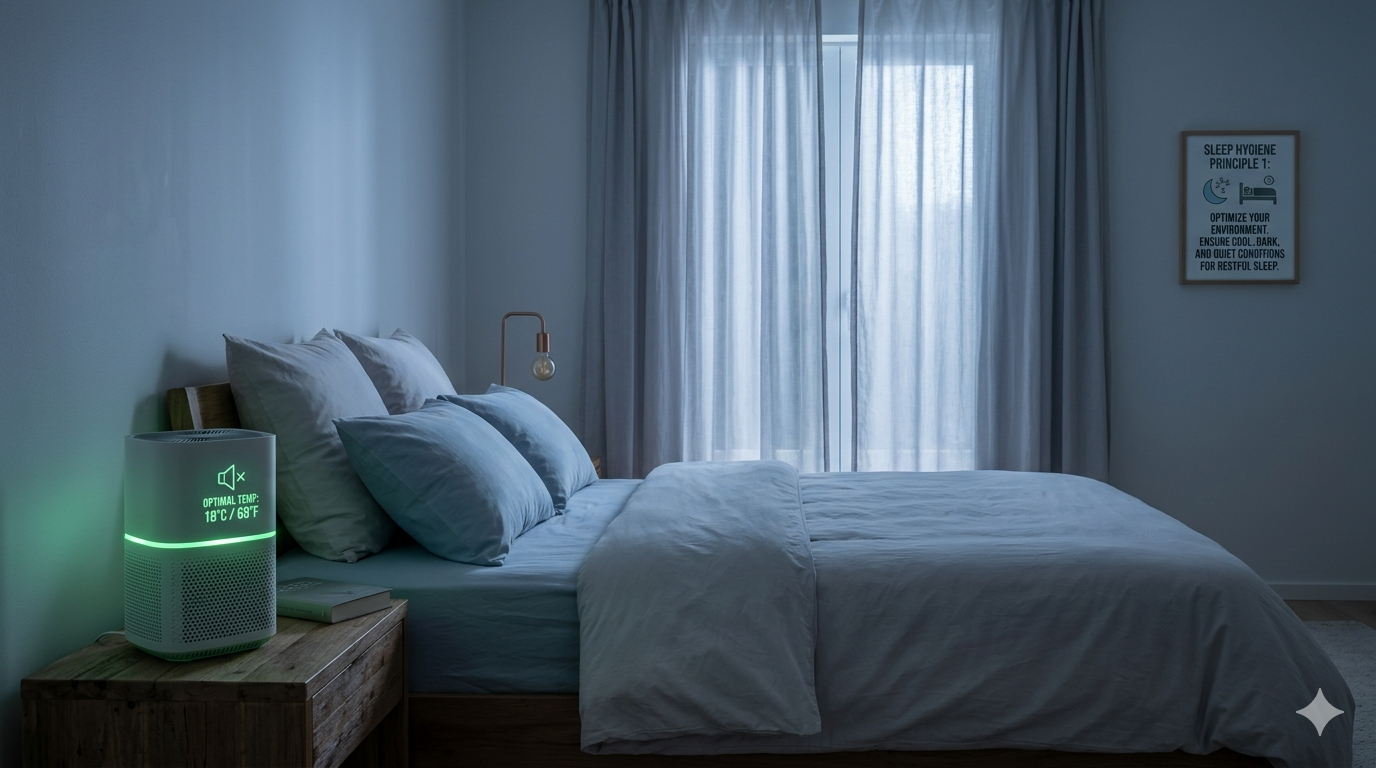
Getting quality sleep is one of the most important aspects of maintaining good health. However, a lot of individuals have trouble going to sleep, remaining asleep, or getting out of bed feeling revitalized. Your overall well-being and quality of sleep can be greatly improved by practicing good sleep hygiene. Sleep hygiene refers to the habits, behaviors, and environmental factors that promote healthy and restful sleep.
What Is Sleep Hygiene?
Sleep hygiene is a collection of healthy practices that help your body and mind prepare for sleep. Good sleep hygiene supports your natural sleep-wake cycle, making it easier to fall asleep and enjoy uninterrupted rest throughout the night. Poor sleep hygiene, on the other hand, can lead to insomnia, fatigue, reduced productivity, and various health issues.
Maintain a Consistent Sleep Schedule
One of the most effective ways to improve sleep hygiene is to follow a regular sleep schedule. Try to go to bed and wake up at the same time every day, including weekends. Consistency helps regulate your body’s internal clock, also known as the circadian rhythm.
When your sleep schedule remains stable, your body naturally knows when it is time to sleep and when it is time to wake up, resulting in better sleep quality and increased daytime energy.
Create a Comfortable Sleep Environment
Your bedroom environment plays a crucial role in sleep quality. A comfortable and relaxing space can help you fall asleep faster and stay asleep longer.
Consider the following tips:
- Keep your room cool, dark, and quiet.
- Use blackout curtains to block external light.
- Invest in a comfortable mattress and supportive pillows.
- Reduce noise with earplugs or a white noise machine if necessary.
Creating a sleep-friendly environment can significantly improve your nightly rest.
Limit Screen Time Before Bed
Electronic devices such as smartphones, tablets, and laptops emit blue light, which can interfere with the production of melatonin, the hormone responsible for regulating sleep.
To improve sleep hygiene:
- Avoid screens at least one hour before bedtime.
- If screen usage is necessary, utilize blue light filters.
- Replace screen time with relaxing activities such as reading or meditation.
Reducing exposure to artificial light in the evening helps your body prepare for sleep naturally.

Be Mindful of Food and Drink Choices
What you consume during the day can affect your sleep quality. Caffeine, nicotine, and alcohol can disrupt sleep patterns and make it difficult to achieve deep, restorative sleep.
For better sleep hygiene:
- Avoid caffeine in the evening and late afternoon.
- Limit alcohol consumption before bedtime.
- Avoid heavy meals close to bedtime.
- Stay hydrated throughout the day but reduce excessive fluid intake before sleeping.
Healthy eating habits can contribute to more restful and uninterrupted sleep.
Develop a Relaxing Bedtime Routine
Your body receives a signal that it‘s time to unwind with a calming bedtime routine. Engaging in relaxing activities before bed can reduce stress and promote better sleep.
Effective bedtime habits include:
- Taking a warm bath.
- Practicing deep breathing exercises.
- Reading a book.
- Listening to calming music.
- Performing gentle stretching or yoga.
A consistent bedtime routine helps your mind transition smoothly from wakefulness to sleep.
Stay Physically Active During the Day
Regular physical activity is associated with improved sleep quality and longer sleep duration. Exercise helps reduce stress, improve mood, and regulate the body’s natural sleep cycle.
Aim for at least 30 minutes of moderate exercise most days of the week. However, avoid intense workouts close to bedtime, as they may increase alertness and make falling asleep more difficult.
Manage Stress and Anxiety
Stress and anxiety are common causes of sleep disturbances. Learning to manage daily stress can have a positive impact on sleep hygiene.
Consider techniques such as:
- Meditation
- Mindfulness practices
- Journaling
- Deep breathing exercises
- Professional counseling if needed
Reducing mental stress helps create a calmer mind, making it easier to fall asleep and stay asleep.
Improving sleep hygiene is a simple yet powerful way to enhance your physical health, mental well-being, and daily productivity. By maintaining a consistent sleep schedule, creating a comfortable sleep environment, limiting screen time, making healthier lifestyle choices, and managing stress effectively, you can enjoy deeper and more restorative sleep. Start implementing these sleep hygiene tips today and experience the benefits of better sleep for a healthier and happier life.
Liver Cancer Symptoms Cause and Remedy
Read Also: Medical Website Design