
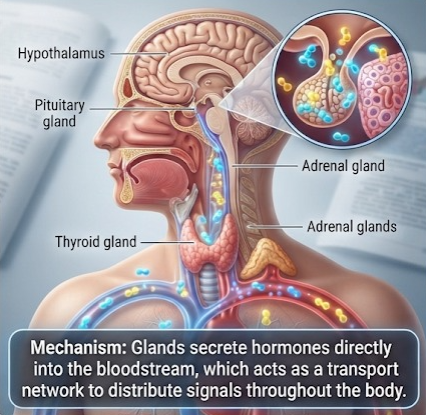
The endocrine system is one of the most important communication networks in the human body. It consists of glands that produce hormones, which travel through the bloodstream to regulate essential bodily functions. From controlling growth and metabolism to influencing mood, sleep, and reproduction, the endocrine system plays a vital role in maintaining overall health.
Understanding how the endocrine system works can help you recognize the importance of hormonal balance and the impact it has on your daily life.
What Is the Endocrine System?
The endocrine system is a collection of specialized glands that release hormones directly into the bloodstream. Unlike the nervous system, which sends fast electrical signals, the endocrine system works more gradually by using chemical messengers called hormones.
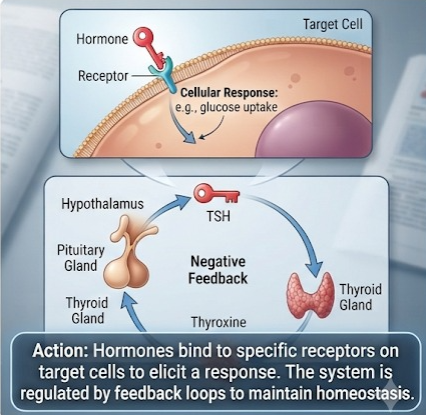
These hormones travel to specific organs and tissues, where they bind to receptors and trigger particular responses. This process ensures that different parts of the body work together efficiently.
Main Glands of the Endocrine System
Several glands make up the endocrine system, each with its own unique function.
Hypothalamus
Located in the brain, the hypothalamus acts as the link between the nervous and endocrine systems. It monitors the body’s internal environment and signals the pituitary gland to release hormones when needed.
Pituitary Gland
Often referred to as the “master gland,” the pituitary gland controls many other endocrine glands. It regulates growth, reproduction, water balance, and thyroid function through hormone production.
Thyroid Gland
The thyroid gland, located in the neck, produces hormones that regulate metabolism, energy production, and body temperature. A healthy thyroid helps maintain proper weight and supports normal organ function.
Adrenal Glands
Situated above each kidney, the adrenal glands produce hormones such as cortisol and adrenaline. These hormones help the body respond to stress, regulate blood pressure, and maintain electrolyte balance.
Pancreas
The pancreas plays a key role in regulating blood sugar levels by producing insulin and glucagon. These hormones ensure that glucose is properly stored and used for energy.
Ovaries and Testes
The reproductive glands produce hormones such as estrogen, progesterone, and testosterone. These hormones are responsible for sexual development, fertility, and reproductive health.
How Hormones Work
Hormones function as chemical messengers. After being released by endocrine glands, they travel through the bloodstream to target cells that contain specific hormone receptors.
When a hormone reaches its target, it binds to the receptor and sends instructions to perform a particular function. For example, insulin tells cells to absorb glucose from the blood, while thyroid hormones regulate how quickly the body converts food into energy.
Because hormones affect multiple organs, even small changes in hormone levels can significantly impact overall health.
Why Hormonal Balance Matters
The endocrine system depends on maintaining the right balance of hormones. A hormone’s excess or deficiency can cause a number of health issues.
Common hormonal disorders include:
- Diabetes caused by insulin imbalance.
- Hypothyroidism and hyperthyroidism due to thyroid dysfunction.
- Adrenal disorders affecting stress hormones.
- Growth hormone deficiencies.
- Reproductive hormone imbalances that influence fertility and menstrual cycles.
Early diagnosis and proper medical treatment can help manage these conditions effectively.
Factors That Affect the Endocrine System
Several lifestyle and environmental factors can influence hormone production and endocrine health, including:
- Poor nutrition
- Chronic stress
- Lack of sleep
- Physical inactivity
- Obesity
- Certain medications
- Aging
- Exposure to environmental toxins
Adopting healthy habits can support proper hormone function and reduce the risk of endocrine disorders.
Tips for Keeping Your Endocrine System Healthy
Maintaining a healthy endocrine system involves simple but effective lifestyle choices:
- Eat a balanced diet rich in fruits, vegetables, whole grains, and lean proteins.
- Exercise regularly to improve hormone regulation.
- Get between seven and nine hours of good sleep every night.
- Practice stress-management techniques such as meditation or yoga.
- Stay hydrated throughout the day.
- Avoid excessive sugar and processed foods.
- Schedule regular health check-ups to monitor hormone-related conditions.
These habits promote hormonal balance and contribute to long-term wellness.
The endocrine system is essential for regulating nearly every major function in the body. Through the production and release of hormones, it controls metabolism, growth, reproduction, stress response, and blood sugar levels. When the endocrine system functions properly, the body maintains balance and operates efficiently.
By understanding how the endocrine system works and adopting healthy lifestyle habits, you can support optimal hormone function and improve your overall health. If you experience symptoms such as unexplained weight changes, persistent fatigue, mood swings, or irregular blood sugar levels, consulting a healthcare professional can help identify potential hormonal issues early.
How to Choose the Best Online Courses for Career Advancement
Exploring the Top Scientific Theories That Changed the World