Build Emergency Funds is one of the smartest financial decisions you can make. Life is unpredictable—unexpected medical bills, job loss, or urgent home repairs can disrupt your finances overnight. A well-planned emergency fund provides stability, reduces stress, and prevents you from falling into debt. Here’s a complete guide on how to build an emergency fund that truly lasts.
What Is an Emergency Fund?
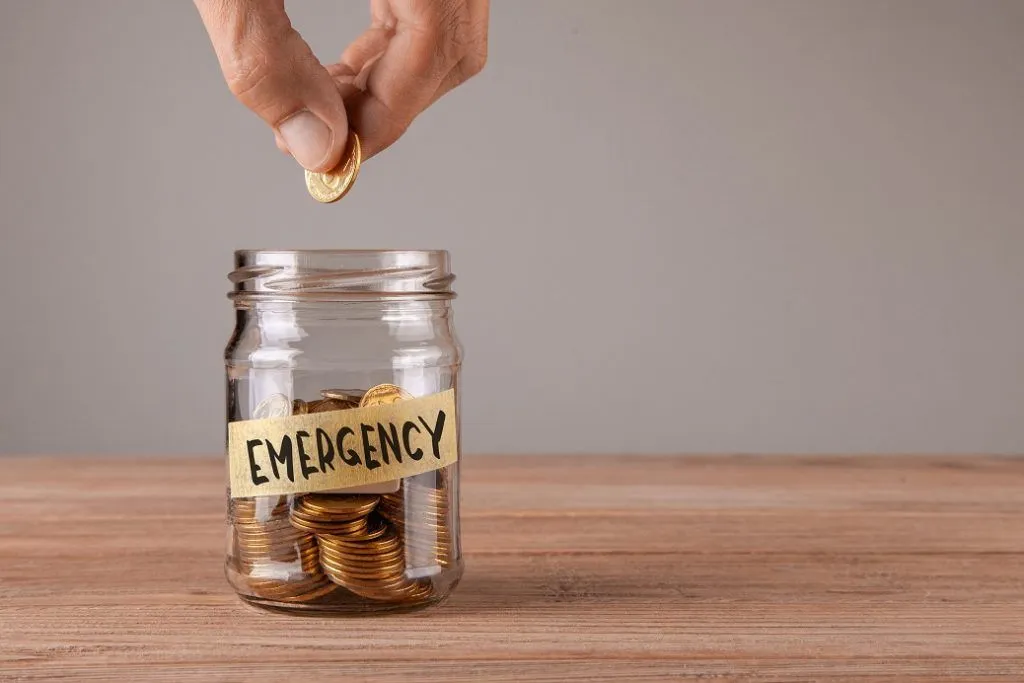
A special reserve of funds known as an emergency fund is intended to pay for unanticipated costs. Unlike regular savings, this fund is strictly reserved for urgent situations such as medical emergencies, car repairs, or sudden unemployment. It acts as a financial safety net, ensuring that you don’t rely on credit cards or loans during tough times.
Why You Need an Emergency Fund
Without an emergency fund, even a small financial setback can turn into a major crisis. Many people end up taking high-interest loans or using credit cards, which leads to long-term debt. Having a solid emergency fund gives you peace of mind, financial independence, and better control over your life decisions.
Set a Realistic Savings Goal
The first step in building an emergency fund is setting a clear and achievable goal. Financial experts generally recommend saving at least 3 to 6 months’ worth of living expenses. However, if that feels overwhelming, start small. Even saving one month’s expenses is a great beginning.
Break your goal into smaller milestones. For example, aim to save ₹10,000 first, then gradually increase it. This approach keeps you motivated and makes the process less stressful.
Create a Dedicated Savings Account
Maintain your emergency fund apart from your regular bank account. This reduces the temptation to spend it on non-essential items. Choose a savings account that offers easy access but also provides some interest on your balance.
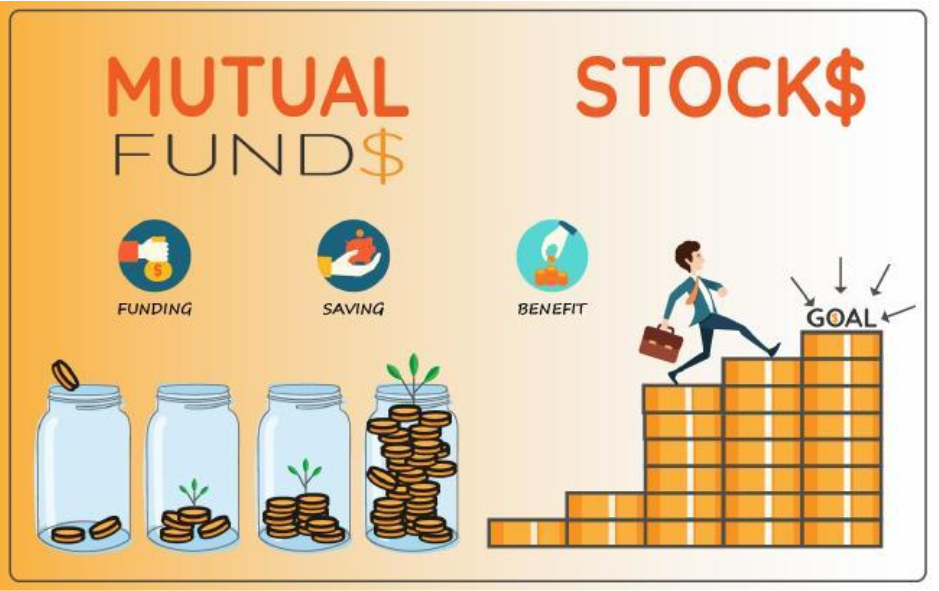
Avoid investing this money in risky assets like stocks or mutual funds, as emergencies require quick and guaranteed access to cash.
Build Your Fund Consistently
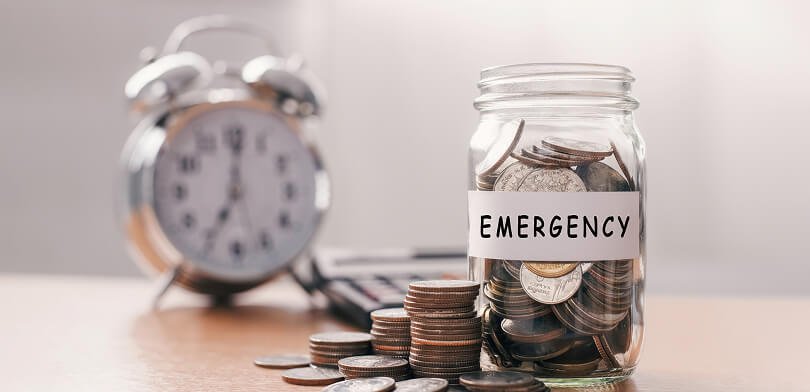
When establishing an emergency fund, consistency is essential. Set up an automatic transfer from your salary account to your emergency fund every month. Treat this contribution like a fixed expense—just like rent or utility bills.
Even small contributions add up over time. For instance, saving ₹2,000 per month can grow into a significant amount within a year.
Cut Unnecessary Expenses
Examine your monthly expenditures and see where you may make reductions. This might include reducing dining out, canceling unused subscriptions, or limiting impulse purchases.
Redirect the money you save into your emergency fund. These small adjustments can accelerate your savings without drastically affecting your lifestyle.
Increase Your Income Sources
If at all feasible, seek strategies to increase your income. Freelancing, part-time jobs, or selling unused items can provide extra cash that can go directly into your emergency fund.
Using bonuses, tax refunds, or unexpected earnings is also a smart way to grow your fund faster.
Use Your Fund Wisely
An emergency fund should only be used for genuine emergencies. Avoid dipping into it for vacations, shopping, or non-urgent expenses. Misusing the fund defeats its purpose and leaves you vulnerable during real crises.
If you do use some of the funds, make it a priority to replenish the amount as soon as possible.
Adjust Your Fund Over Time
As your lifestyle and expenses change, your emergency fund should grow accordingly. For example, if your monthly expenses increase due to a new job, family responsibilities, or inflation, update your savings goal.
Regularly reviewing your fund ensures it remains sufficient to cover unexpected situations.
Build Emergency Funds that lasts requires discipline, planning, and consistency. Start small, stay committed, and gradually increase your savings. Over time, this financial cushion will provide security and confidence, helping you handle life’s uncertainties without stress.
Effects of AI in Upcoming Technology
Manhole – Essential Access Points in Urban Infrastructure
RCPC Manhole Covers and Frames
Read Also : Social Network Website Design