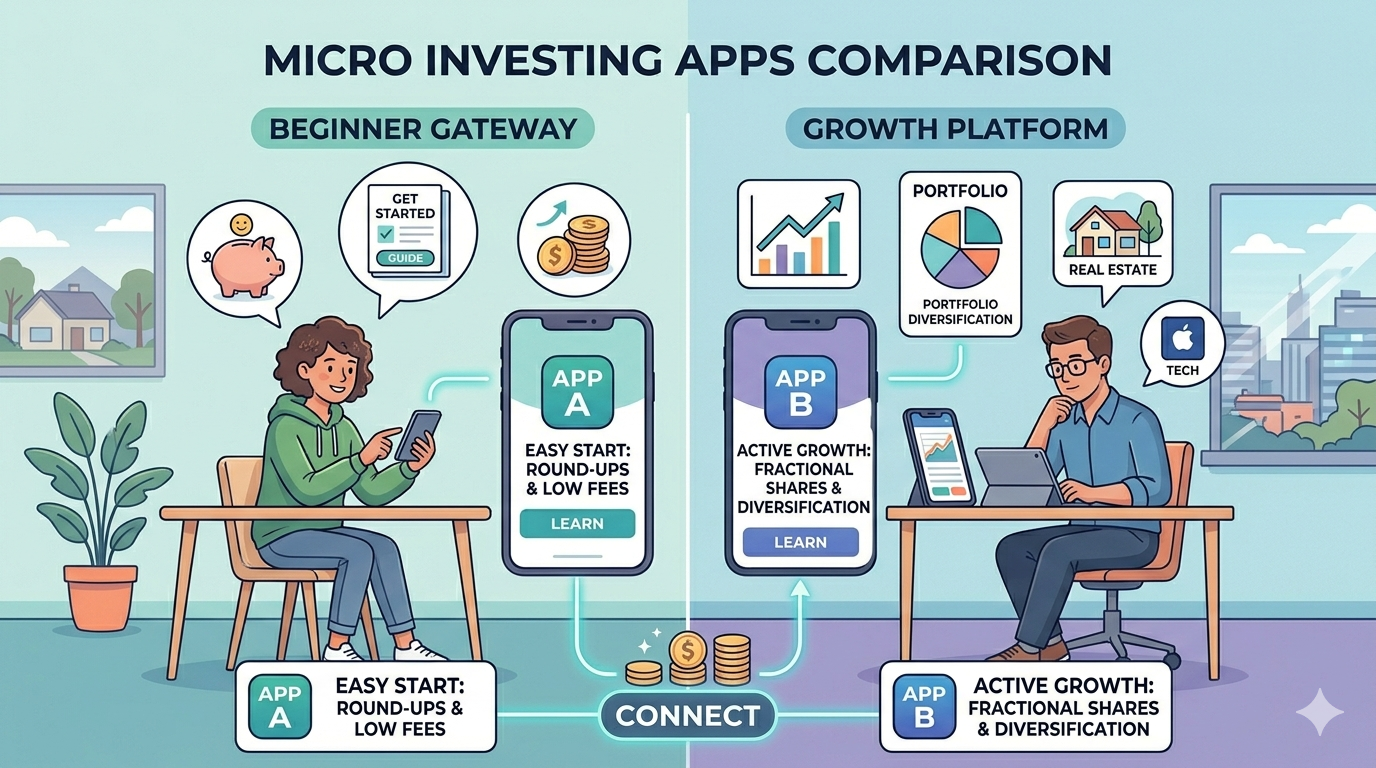

Managing money wisely in your 20s and 30s can shape your financial future for decades. These are the years when habits are formed, careers are built, and major life decisions are made. Financial Mistakes to Avoid during this phase can help you build wealth, reduce stress, and achieve long-term financial security. Here are the most critical financial mistakes to avoid.
1. Not Having a Budget
One of the biggest mistakes young adults make is living without a clear budget. Without tracking your income and expenses, it’s easy to overspend and fall into debt. A budget helps you understand where your money goes and ensures you’re saving consistently.
Start by listing your monthly income and expenses. Allocate funds for essentials, savings, and discretionary spending. Sticking to a budget builds discipline and financial awareness.
2. Ignoring Emergency Savings
Life is unpredictable, and unexpected expenses can arise at any time. Not having an emergency fund can force you to rely on credit cards or loans, leading to debt.
Aim to save at least 3–6 months’ worth of living expenses in a separate account. This financial cushion protects you during job loss, medical emergencies, or sudden expenses.
3. Relying Too Much on Credit Cards
Credit cards can be useful, but overusing them is a common financial mistake. High-interest rates can quickly turn small balances into large debts.
Use credit cards responsibly—only spend what you can repay in full each month. Avoid minimum payments as they increase your long-term financial burden.
4. Delaying Investments
Many people in their 20s and 30s delay investing, thinking they have plenty of time. However, starting early is crucial because of the power of compounding.
Even small investments can grow significantly over time. Consider investing in mutual funds, stocks, or retirement plans. The earlier you start, the more wealth you can accumulate.
5. Not Planning for Retirement
Retirement may seem far away, but ignoring it early on is a costly mistake. The longer you wait, the more you’ll need to save later.
Start contributing to retirement accounts as soon as possible. Even modest contributions in your 20s can lead to substantial savings in the future.
6. Lifestyle Inflation
As your income increases, it’s tempting to upgrade your lifestyle—better gadgets, expensive dining, or luxury travel. This is known as lifestyle inflation.
While it’s okay to enjoy your earnings, increasing expenses with every raise can prevent you from saving and investing. Maintain a balance between enjoying life and securing your future.

7. Not Having Insurance
Ignoring insurance is another major financial mistake. Medical emergencies or accidents can lead to significant financial losses.
Ensure you have adequate health insurance, life insurance, and, if necessary, disability coverage. Insurance protects your savings and provides peace of mind.
8. Poor Debt Management
Taking on unnecessary debt or mismanaging existing loans can harm your financial health. High-interest debts, such as personal loans or credit cards, can quickly spiral out of control.
Focus on paying off high-interest debt first. Avoid taking loans for non-essential purchases and maintain a good credit score.
9. Lack of Financial Education
Not understanding basic financial concepts can lead to poor decisions. Many young adults avoid learning about money management, investing, and taxes.
Take time to educate yourself through books, online courses, or financial advisors. Knowledge empowers you to make smarter financial choices.
10. Not Setting Financial Goals
Without clear goals, it’s difficult to stay motivated and disciplined. Whether it’s buying a home, starting a business, or traveling, having financial goals gives direction to your money.
Set short-term and long-term goals and create a plan to achieve them. Regularly review and adjust your goals as your life evolves.
Your 20s and 30s are the foundation years of your financial life. Avoiding these common financial mistakes can help you build a strong financial future. Focus on budgeting, saving, investing early, and continuously educating yourself. Small, smart decisions today can lead to long-term wealth and financial freedom.
Effects of AI in Upcoming Technology
Manhole – Essential Access Points in Urban Infrastructure
RCPC Manhole Covers and Frames
Read Also : Social Network Website Design