
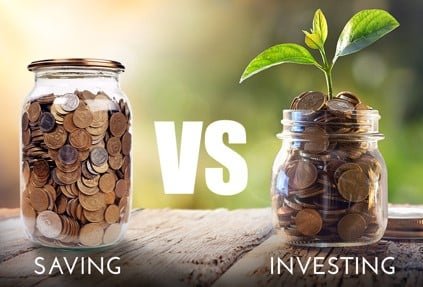
In 2026, managing money wisely is more important than ever. With rising inflation, digital financial tools, and changing economic trends, the debate Saving vs Investing continues to grow. While both are essential for financial stability, understanding which works better depends on your goals, risk tolerance, and time horizon.
What is Saving?
Saving means setting aside a portion of your income in a secure and easily accessible place, such as a savings account, fixed deposit, or digital wallet. The primary goal of saving is to preserve your money and ensure liquidity.
Key Benefits of Saving
- Safety of Funds: Savings are typically low-risk and protected by banks or financial institutions.
- Easy Access: You can withdraw your money whenever needed.
- Emergency Preparedness: Ideal for building an emergency fund for unexpected expenses.
Limitations of Saving
- Low Returns: Interest rates are often lower than inflation, reducing your purchasing power over time.
- Limited Growth: Your money grows slowly compared to other financial options.
What is Investing?
Investing involves putting your money into assets like stocks, mutual funds, real estate, or bonds with the expectation of earning higher returns over time. Unlike saving, investing comes with varying levels of risk.
Key Benefits of Investing
- Higher Returns: Investments have the potential to outperform inflation.
- Wealth Creation: Long-term investing helps build substantial wealth.
- Multiple Options: You can diversify across different asset classes.
Risks of Investing
- Market Volatility: Prices can fluctuate, leading to potential losses.
- Requires Knowledge: Understanding markets and trends is important.
- Time Commitment: Investments often need time to generate significant returns.

What Works Better in 2026?
In 2026, the answer isn’t about choosing one over the other—it’s about balance. Economic conditions, including inflation and digital finance growth, make investing more attractive for long-term goals. However, saving remains crucial for short-term needs and financial security.
When Saving is Better
- If you require funds in the near future
- For emergency funds (3–6 months of expenses)
- If you prefer zero or minimal risk
When Investing is Better
- For long-term goals like retirement or buying a house
- When you want to beat inflation
- If you can handle market fluctuations
The Smart Strategy-Combine Both
A smart financial plan in 2026 involves a mix of saving and investing. Start by building a strong savings foundation, then gradually move into investments.
Suggested Approach
- Create an Emergency Fund: Save at least 3–6 months of expenses.
- Clear High-Interest Debt: Avoid investing while paying heavy interest.
- Begin investing at a young age: Even little quantities can multiply considerably over time.
- Diversify Investments: Spread your money across different assets.
- Review Regularly: Adjust your strategy based on financial goals.
Role of Technology in 2026
Modern financial apps and AI-based platforms have made both saving and investing easier. Automated savings, robo-advisors, and real-time tracking tools help individuals make smarter decisions. This digital shift allows even beginners to invest confidently with minimal effort.
Saving vs Investing are not rivals—they are partners in financial success. Saving offers security and peace of mind, while investing provides growth and wealth creation. In 2026, the best approach is to strike a balance between the two based on your personal goals.
If you aim for financial freedom, don’t just save—invest wisely. And if you invest, don’t forget to keep a safety net. The right combination will ensure both stability and growth in an ever-changing financial landscape.
Effects of AI in Upcoming Technology
Manhole – Essential Access Points in Urban Infrastructure
RCPC Manhole Covers and Frames
Read Also : Social Network Website Design