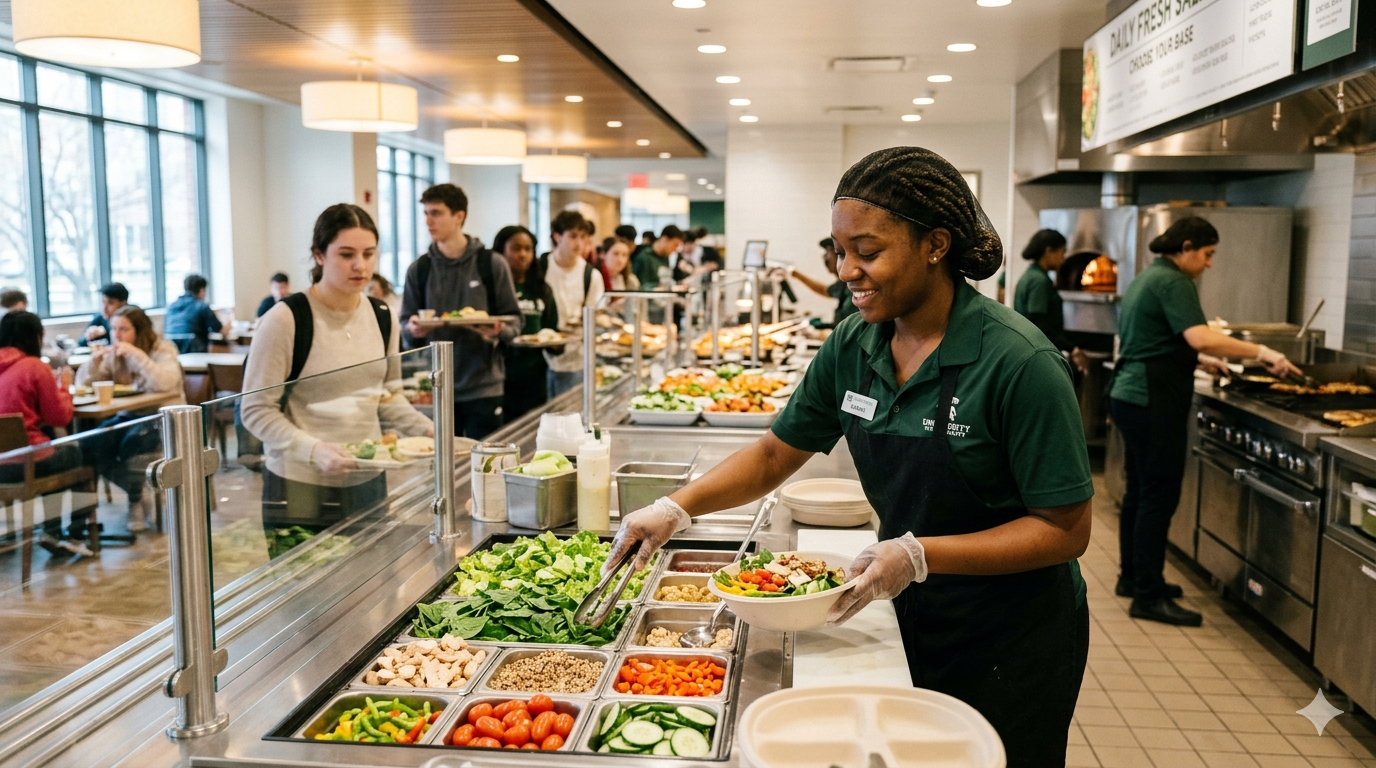
A Food Service Worker plays an important role in the hospitality and restaurant industry. From preparing meals to serving customers, these professionals help ensure smooth daily operations in restaurants, cafeterias, hotels, hospitals, and catering businesses. As the food industry continues to grow worldwide, the demand for skilled food service workers is also increasing.
What Is a Food Service Worker?
A Food Service Worker is responsible for preparing, handling, and serving food to customers in different food establishments. They work in fast-food restaurants, cafes, school cafeterias, hospitals, and corporate dining facilities. Their main goal is to provide quality food service while maintaining cleanliness and customer satisfaction.
Food service workers often perform multiple tasks throughout the day. These may include food preparation, operating kitchen equipment, cleaning dining areas, and assisting customers with orders.
Main Responsibilities of a Food Service Worker
Food service workers handle several duties that help restaurants and food businesses operate efficiently. Some common responsibilities include:
- Preparing ingredients and simple meals
- Serving food and beverages to customers
- Maintaining kitchen hygiene and cleanliness
- Washing dishes and sanitizing equipment
- Taking customer orders and processing payments
- Stocking food supplies and checking inventory
- Following food safety regulations
These tasks require teamwork, speed, and attention to detail to ensure excellent customer service.
Important Skills for Food Service Workers
To succeed in the food industry, food service workers need a combination of technical and soft skills. Employers often look for candidates who are hardworking, reliable, and customer-friendly.
Communication Skills
Good communication is essential for interacting with customers and coworkers. Food service workers must listen carefully to customer requests and provide clear responses.
Time Management
Restaurants and cafeterias can become very busy during peak hours. Workers must manage time efficiently to complete tasks quickly and accurately.
Customer Service
Providing friendly and professional service helps improve customer satisfaction. A positive attitude can encourage repeat business and build a good reputation.
Teamwork
Food service environments require close coordination between kitchen staff, servers, and managers. Teamwork helps maintain smooth operations.
Food Safety Knowledge
Understanding proper food handling and hygiene practices is necessary to prevent contamination and ensure customer safety.

Work Environment
Food service workers usually work in fast-paced environments where standing for long hours is common. They may work mornings, evenings, weekends, or holidays depending on business needs.
Typical workplaces include:
- Restaurants
- Hotels
- Cafeterias
- Hospitals
- Catering companies
- Schools and colleges
- Fast-food chains
The job can be physically demanding, but it also offers opportunities to learn valuable hospitality skills.
Career Opportunities in the Food Service Industry
The food service industry offers many career growth opportunities. Entry-level food service workers can gain experience and move into higher positions over time.
Possible career paths include:
- Restaurant server
- Kitchen assistant
- Barista
- Shift supervisor
- Restaurant manager
- Catering coordinator
- Chef or cook
Many successful restaurant managers and chefs started their careers as food service workers. With dedication and experience, employees can achieve long-term career success in the hospitality sector.
Benefits of Working as a Food Service Worker
Working in the food industry provides several advantages, especially for beginners seeking job experience.
Flexible Schedules
Many food service jobs offer flexible working hours, making them suitable for students and part-time workers.
Skill Development
Workers gain valuable skills in communication, teamwork, customer service, and food preparation.
Career Growth
The hospitality industry provides multiple opportunities for promotions and career advancement.
Social Interaction
Food service workers interact with different people daily, helping improve interpersonal skills and confidence.
Challenges Faced by Food Service Workers
Although rewarding, food service jobs can also be challenging. Workers may face long hours, busy shifts, and demanding customers. Maintaining speed and accuracy during peak business hours requires patience and focus.
Physical stamina is also important because employees often stand, walk, and carry items throughout their shifts.
A food service worker is a vital part of the hospitality and restaurant industry. Their responsibilities include preparing food, serving customers, maintaining cleanliness, and ensuring a positive dining experience. This profession offers flexible schedules, valuable skill development, and strong career growth opportunities.
Freelancerson.com a Free Marketplace for Freelancers and Clients
Read Also: Job Seeker Website Portal