
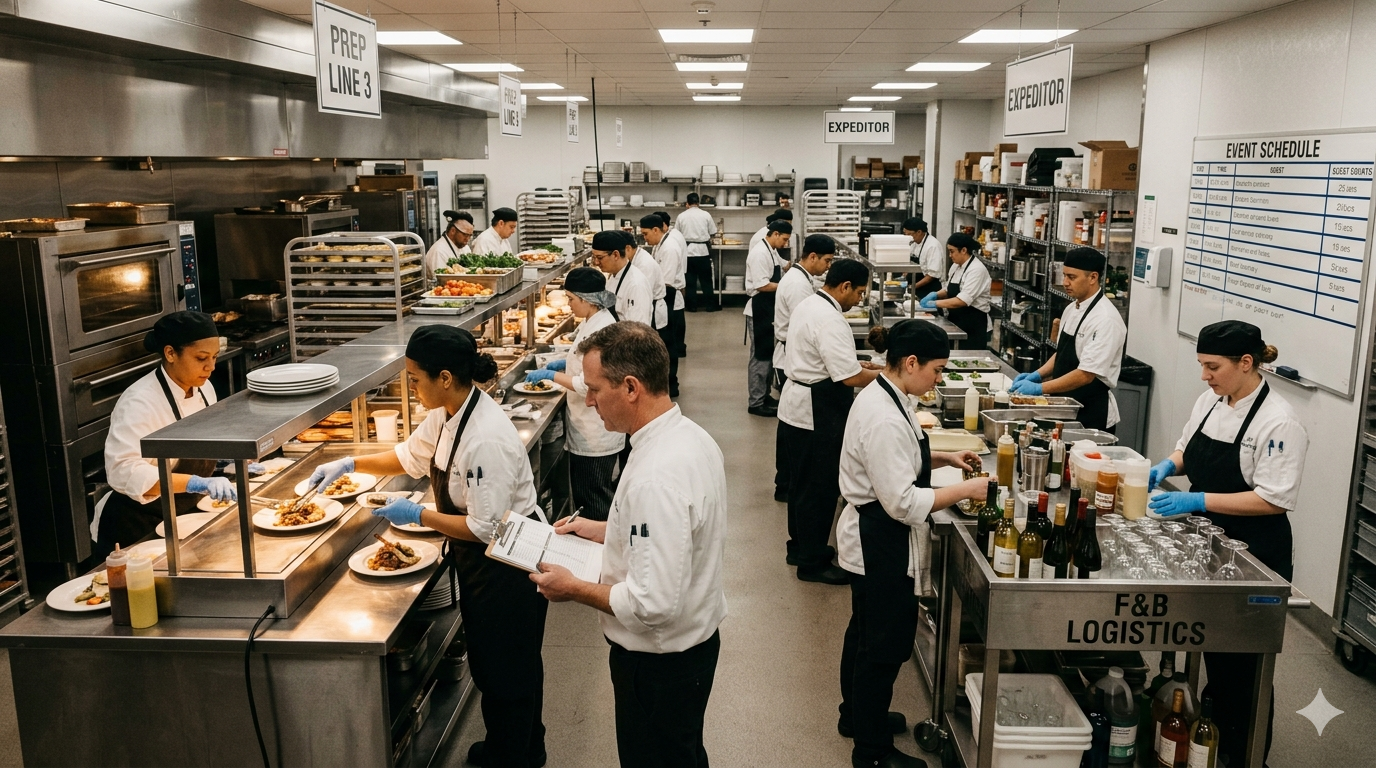
Food and Beverage Management is one of the most important sectors in the hospitality industry. It focuses on the planning, organizing, controlling, and supervising of food and drink services in restaurants, hotels, resorts, cafes, catering companies, and other hospitality businesses. The main objective of Food and Beverage Management is to provide high-quality customer service while maintaining profitability and operational efficiency.
With the rapid growth of tourism and hospitality worldwide, the demand for skilled food and beverage managers has increased significantly. Businesses now focus on customer satisfaction, food quality, hygiene, and innovative dining experiences to remain competitive in the market.
Importance of Food and Beverage Management
Food and beverage management plays a vital role in ensuring smooth business operations. A well-managed food and beverage department helps improve customer experience, increase sales, and build a strong brand reputation.
The industry requires professionals who can manage staff, maintain inventory, monitor food quality, and handle customer feedback effectively. Proper management also reduces food wastage and controls operational costs, leading to higher profits.
In hotels and restaurants, food and beverage services directly impact customer satisfaction. Excellent dining experiences encourage repeat customers and positive online reviews, which are essential for business growth in today’s digital world.
Key Responsibilities of a Food and Beverage Manager
A food and beverage manager handles multiple responsibilities to ensure successful operations. Some of the major duties include:
Staff Management
Managing chefs, waiters, bartenders, and kitchen staff is a major responsibility. Managers ensure employees work efficiently and maintain professional customer service standards.
Inventory Control
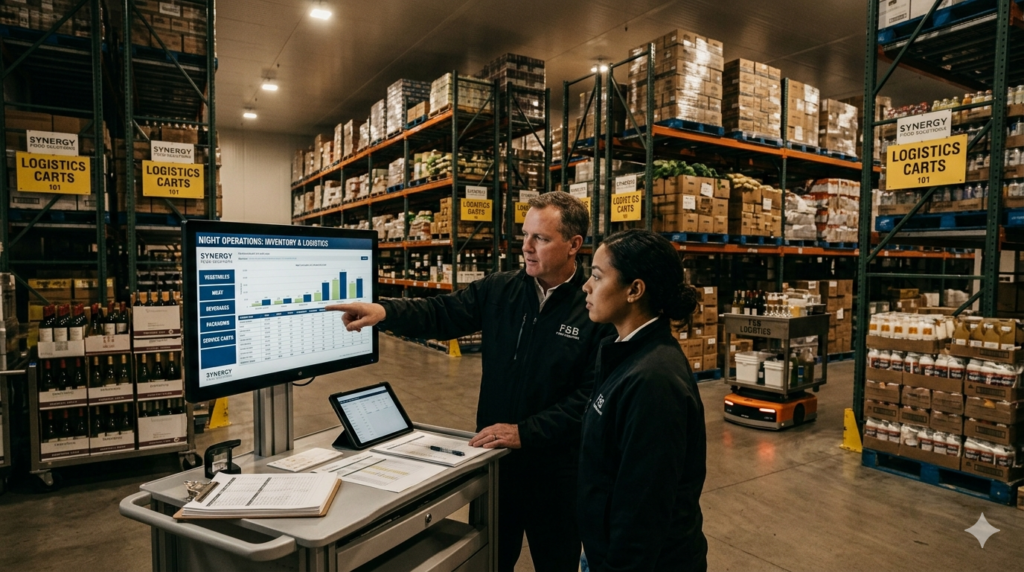
Proper inventory management helps reduce waste and avoid shortages. Managers monitor stock levels, purchase ingredients, and maintain supplier relationships.
Customer Satisfaction
Customer satisfaction is the foundation of the hospitality industry. Food and beverage managers handle complaints, improve service quality, and ensure guests enjoy their dining experience.
Budget Planning
Financial planning is essential for profitability. Managers prepare budgets, analyze sales reports, and control expenses to maximize revenue.
Hygiene and Safety Standards
It’s important to uphold food safety and hygiene regulations. Managers ensure compliance with health regulations and sanitation guidelines to protect customers and staff.
Skills Required for Food and Beverage Management
Successful food and beverage managers need strong leadership and communication skills. They must work under pressure and handle challenging situations effectively.
Some essential skills include:
- Leadership and team management
- Communication and interpersonal skills
- Problem-solving abilities
- Financial and budgeting knowledge
- Time management
- Customer service expertise
- Knowledge of food safety regulations
These skills help professionals manage operations smoothly and improve business performance.
Career Opportunities in Food and Beverage Management
The food and beverage industry offers excellent career opportunities worldwide. Professionals can work in hotels, restaurants, cruise ships, airlines, catering companies, event management firms, and luxury resorts.
Popular career options include:
- Restaurant Manager
- Hotel Food Service Manager
- Catering Manager
- Banquet Manager
- Bar Manager
- Hospitality Consultant
- Food Service Supervisor
With experience and advanced skills, professionals can achieve higher management positions and attractive salary packages.
Technology in Food and Beverage Management
Modern technology has transformed the food and beverage industry. Restaurants and hotels now use digital tools for online ordering, billing, inventory tracking, and customer relationship management.
Mobile apps, cloud kitchens, artificial intelligence, and digital payment systems have improved operational efficiency and customer convenience. Businesses that adopt modern technology can provide faster and more personalized services.
Social media marketing also plays a major role in promoting restaurants and attracting customers. Online reviews and food delivery platforms have become essential for business success.
Challenges in Food and Beverage Management
The industry is still experiencing a number of difficulties, even though it is expanding. Rising food costs, staff shortages, changing customer preferences, and strict health regulations can impact business operations.
Managers must constantly adapt to new market trends and customer expectations. Maintaining consistent food quality and service standards during busy periods can also be difficult.
Effective planning, employee training, and strong leadership help businesses overcome these challenges successfully.
Within the hospitality industry, Food and Beverage Management is a lucrative and ever-evolving field. It combines customer service, operational management, financial planning, and leadership skills to create exceptional dining experiences.
As the hospitality industry continues to grow, the demand for skilled food and beverage professionals will remain high. Businesses that focus on quality service, innovation, and customer satisfaction can achieve long-term success in this competitive industry.
Freelancerson.com a Free Marketplace for Freelancers and Clients
Read Also: Job Seeker Website Portal