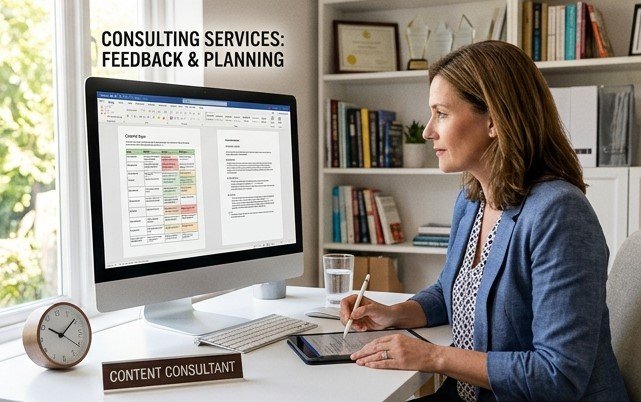

Excellent writing involves more than just selecting the appropriate words. The way content looks on a page also influences how readers engage with it. Whether you’re writing blog posts, eBooks, website copy, or social media content, understanding basic graphic design principles can make your work more appealing, readable, and effective. Writers who combine strong writing skills with smart design choices create content that captures attention and keeps readers engaged.
In today’s digital world, where readers often skim before they read, applying graphic design principles is essential. Here are the key design concepts every writer should know.
1. Prioritise Visual Hierarchy
Visual hierarchy assists readers in comprehending which information holds the highest significance. Headlines, subheadings, bold text, and spacing guide the eye naturally through the content.
A strong headline should immediately communicate the topic, while subheadings break information into manageable sections. Highlighting key points with bold text allows readers to find valuable information quickly without reading every word.
When creating articles, organise your content from the most important information to supporting details.
2. Keep Your Layout Clean
A cluttered page can overwhelm readers, no matter how well the content is written.
Use short paragraphs, generous spacing, and logical section breaks. Avoid large blocks of text that discourage readers from continuing.
Simple formatting helps readers focus on your message instead of struggling to navigate the page. Clean layouts also perform better on mobile devices, where most users consume online content.
3. Choose Readable Typography
Typography directly affects readability. Even exceptional writing loses impact if the font is difficult to read.
Stick to professional fonts, maintain consistent heading styles, and use a comfortable font size. Good line spacing and adequate contrast between text and background reduce eye strain and encourage longer reading sessions.
Consistency is equally important. Avoid mixing too many fonts, as it creates visual confusion and reduces professionalism.
4. Use White Space Effectively
White space, also known as negative space, is the empty area surrounding text and images. It gives content room to breathe and improves readability.
Many writers feel pressured to fill every available space, but strategic white space enhances comprehension. Readers can process information more comfortably when sections are separated with sufficient spacing.
White space also draws attention to important elements like headings, quotes, and call-to-action buttons.

5. Balance Text with Visual Elements
Modern readers appreciate content that combines text with meaningful visuals. Images, icons, infographics, and charts can explain complex ideas more efficiently than long paragraphs.
However, visuals should always support the content rather than distract from it. Use relevant graphics that reinforce your message and maintain consistent styling throughout the page.
Balanced visual content increases engagement and encourages readers to spend more time on your website.
6. Maintain Consistency Throughout
Consistency fosters trust and fortifies your brand’s image. Every article should follow the same design standards, including heading styles, colour schemes, spacing, and image formats.
When readers recognise a familiar structure, they can navigate your content more easily. Consistent formatting also creates a professional appearance that reflects credibility and attention to detail.
Develop a simple style guide for your content to ensure uniformity across all publications.
7. Design for Mobile Readers
More than half of internet users access content on smartphones. Writers should always consider mobile readability when formatting articles.
Use concise paragraphs, descriptive headings, and responsive images that display correctly on smaller screens. Bullet points and numbered lists also improve readability on mobile devices.
A mobile-friendly design reduces bounce rates and contributes to better search engine rankings.
8. Support SEO with Better Design
Graphic design and SEO work together to improve user experience. Well-structured content with clear headings, readable formatting, optimised images, and logical organisation helps search engines understand your content.
Adding descriptive image alt text, using keyword-rich headings naturally, and creating easy-to-scan pages contribute to higher search visibility. Readers who enjoy a positive experience are also more likely to share your content and return for future visits.
Mastering graphic design principles is no longer limited to professional designers. Writers who understand visual hierarchy, typography, white space, consistency, layout, and mobile optimisation create content that is easier to read, more engaging, and more likely to rank well in search engines.
By combining compelling writing with thoughtful design, you can deliver a better experience for your audience while improving your website’s SEO performance. Even small design improvements can significantly increase reader satisfaction, engagement, and the overall effectiveness of your content.
Freelancerson.com a Free Marketplace for Freelancers and Clients
Read Also: Job Seeker Website Portal