Creating a backyard garden is one of the most rewarding ways to enhance your outdoor space while enjoying fresh vegetables, herbs, and flowers. Whether you have a large yard or a small outdoor area, learning how to start a backyard garden can provide numerous benefits, including healthier food, reduced grocery costs, and improved mental well-being.
Choose the Right Location
The first step in starting a backyard garden is selecting the ideal location. Most vegetables and flowering plants require at least six to eight hours of direct sunlight each day. Observe your yard throughout the day to identify areas that receive consistent sunlight.
Additionally, choose a spot with easy access to water and proper drainage. Avoid low-lying areas where water tends to collect after rainfall, as excessive moisture can damage plant roots.
Test and Prepare the Soil
Healthy soil is the foundation of a successful backyard garden. Before planting, test your soil to determine its pH level and nutrient content. Many garden stores sell inexpensive soil testing kits.
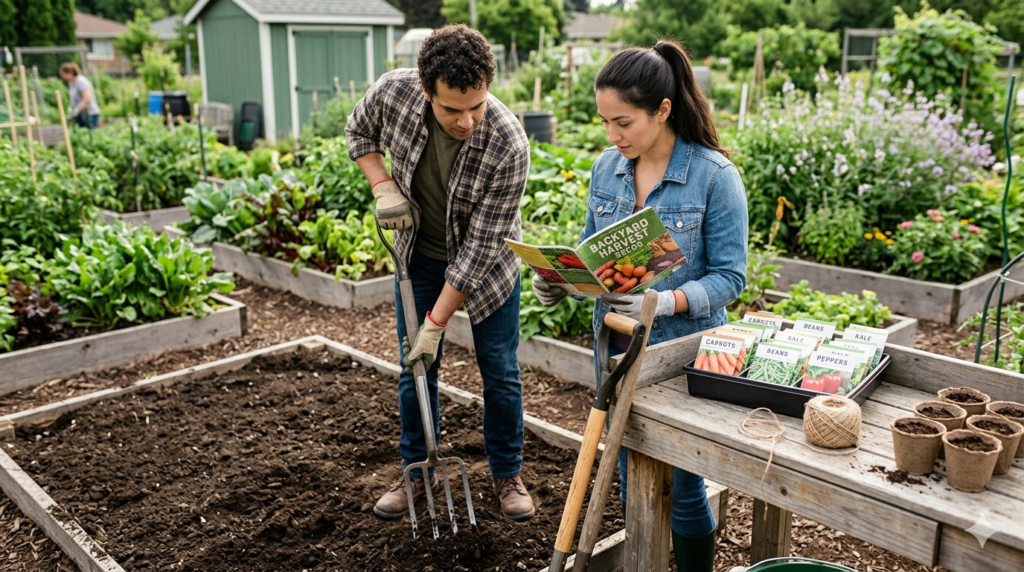
Add organic materials like leaf mold, aged manure, or compost to enhance soil quality. These materials increase soil fertility, improve drainage, and help retain moisture. Loosen the soil with a garden fork or tiller to create an ideal growing environment for plant roots.
Decide What to Grow
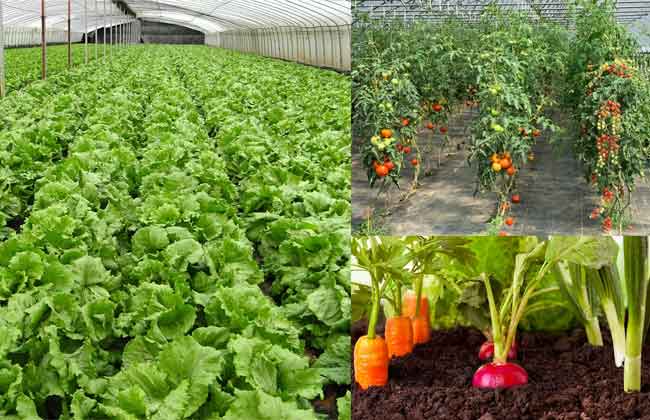
Choosing the right plants is essential for gardening success. Beginners should start with easy-to-grow vegetables and herbs such as:
- Tomatoes
- Lettuce
- Cucumbers
- Peppers
- Basil
- Mint
- Spinach
Consider your local climate, available space, and personal preferences when selecting plants. Growing foods you enjoy eating will keep you motivated throughout the gardening season.
Plan Your Garden Layout
A well-planned garden layout helps maximize space and simplifies maintenance. Group plants with similar sunlight and watering requirements together. Taller plants should be placed at the back of garden beds to prevent them from shading smaller plants.
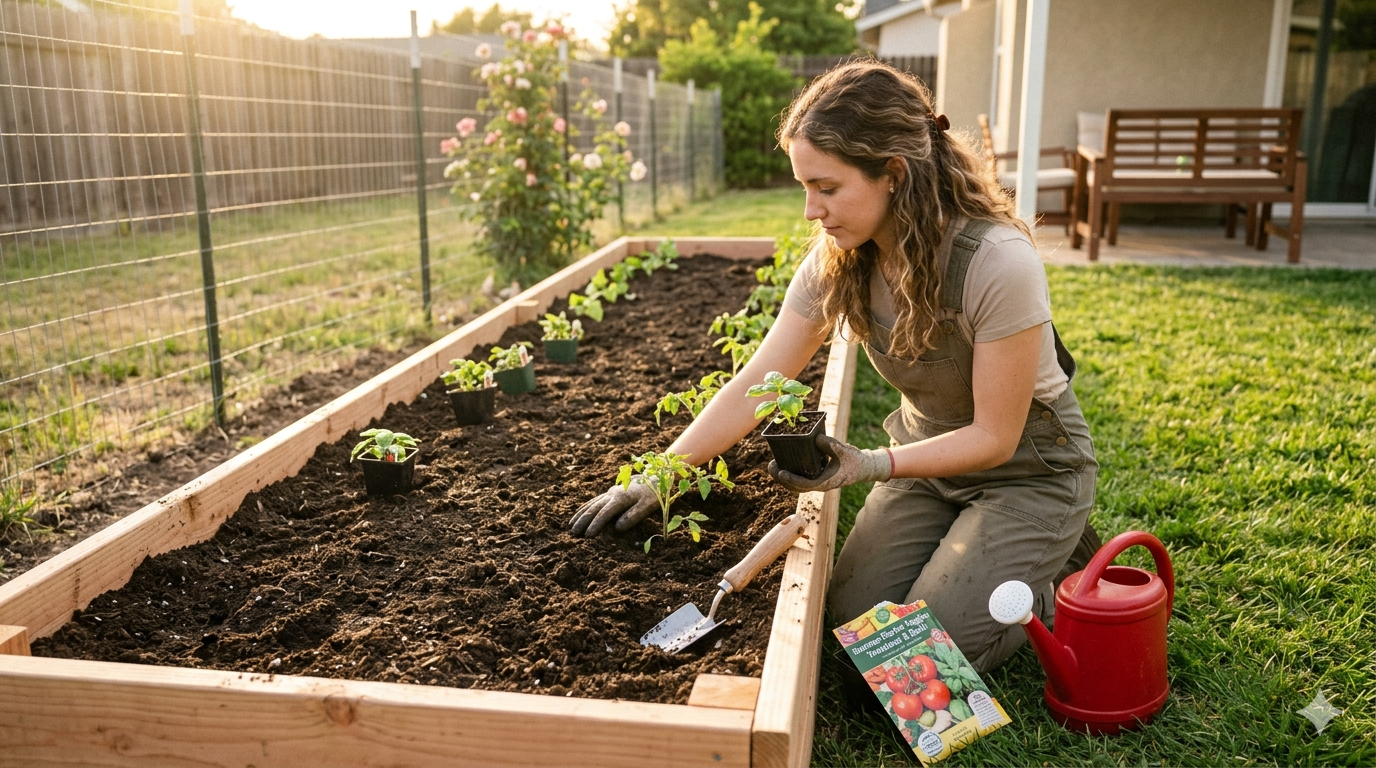
Raised garden beds are a popular option because they improve drainage, reduce weed growth, and make gardening more accessible. If space is limited, consider container gardening as an alternative.
Plant at the Right Time
Timing plays a significant role in garden success. Research the best planting dates for your region and follow seed packet instructions carefully. Some vegetables thrive in cool weather, while others require warmer temperatures.
Plant seeds or seedlings at the recommended depth and spacing to ensure proper growth. Increased vulnerability to diseases and pests might result from overcrowding, as can inadequate airflow.
Water Consistently
Proper watering is crucial for maintaining a healthy backyard garden. Most plants require approximately one inch of water per week, although requirements may vary depending on weather conditions.
To avoid fungal disorders and minimize evaporation, water early in the morning and thoroughly.. Using mulch around plants helps retain moisture and minimizes weed growth.
Control Weeds and Pests Naturally
For water, nutrients, and sunlight, garden plants and weeds compete. Regularly remove weeds before they become established. Applying mulch can significantly reduce weed growth.
For pest control, encourage beneficial insects such as ladybugs and lacewings. Natural solutions like neem oil and insecticidal soap can help manage common garden pests without harming the environment.
Maintain and Harvest Your Garden
Routine maintenance keeps your garden productive throughout the growing season. Prune damaged leaves, remove dead plants, and monitor for signs of disease.
Harvest vegetables and herbs when they reach peak maturity. Regular harvesting often encourages plants to produce more yields. Products that have been freshly harvested have better taste and nutritional value than those that have been purchased in stores.
Starting a backyard garden may seem challenging at first, but with proper planning and care, anyone can create a thriving outdoor space. By choosing the right location, preparing healthy soil, selecting suitable plants, and maintaining consistent care, you’ll enjoy a productive garden that provides fresh, homegrown food for months to come. Begin your gardening journey today and experience the satisfaction of growing your own plants right in your backyard.
India’s Agricultural Exports Opportunities and Challenges
Read Also: Exploring Opportunities in the Farming Industry