Discovering a pregnancy can be an exciting and emotional experience. While many women expect noticeable symptoms immediately after conception, the early signs of pregnancy first week are often subtle and can vary from person to person. Some women experience changes within days of conception, while others may not notice any symptoms until after a missed period.
In this article, we’ll explore the most common early pregnancy signs during the first week, explain why they occur, and discuss when you should take a pregnancy test.
What Occurs in the Initial Week of Pregnancy?
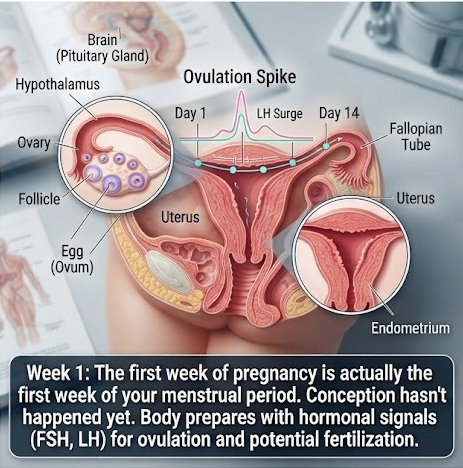
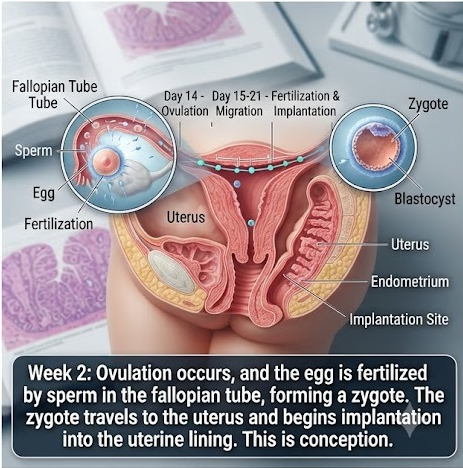
The first week of pregnancy is unique because healthcare providers calculate pregnancy from the first day of your last menstrual period (LMP). In reality, conception usually occurs about two weeks later. However, some women may begin noticing early hormonal changes shortly after fertilization and implantation.
These hormonal shifts, particularly increased levels of human chorionic gonadotropin (hCG), progesterone, and estrogen, can trigger the earliest pregnancy symptoms.
Common Early Signs of Pregnancy First Week
1. Light Spotting or Implantation Bleeding
One of the earliest signs of pregnancy is implantation bleeding, which occurs when the fertilized egg attaches to the lining of the uterus.
Characteristics include:
- Light pink or brown spotting
- Lasts one to two days
- Much lighter than a regular menstrual period
Not every woman experiences implantation bleeding, so its absence doesn’t rule out pregnancy.
2. Mild Cramping
Some women notice gentle cramping similar to menstrual cramps. These cramps are generally mild and occur as the uterus begins preparing for pregnancy.
Unlike period cramps, they are usually less intense and short-lived.
3. Fatigue and Low Energy
Feeling unusually tired is among the most common early signs of pregnancy first week.
The increase in progesterone causes your body to work harder, resulting in:
- Excessive tiredness
- Need for more sleep
- Reduced energy throughout the day
Even simple tasks may feel exhausting during early pregnancy.
4. Tender or Swollen Breasts
Hormonal changes quickly affect breast tissue.
You may notice:
- Breast tenderness
- Swelling
- Tingling sensation
- Darkening of the nipples
These symptoms often appear before a missed period.
5. Frequent Urination
Although more common later in pregnancy, some women begin urinating more frequently within the first week due to hormonal changes and increased blood flow to the kidneys.
6. Mood Swings
Rapid hormone fluctuations can influence emotions.
Common emotional changes include:
- Irritability
- Anxiety
- Feeling emotional
- Sudden happiness
- Increased sensitivity
These mood swings resemble premenstrual symptoms but may feel stronger.
7. Bloating
Many women mistake pregnancy bloating for an upcoming period.
Progesterone slows digestion, which can lead to:
- Abdominal fullness
- Gas
- Mild constipation
- Tight-fitting clothes
Feeling bloated is among the first signs of pregnancy.
8. Nausea or Morning Sickness
Although morning sickness usually begins around weeks four to six, some women report mild nausea during the first week after conception.
Symptoms may include:
- Upset stomach
- Food aversions
- Increased sensitivity to smells
- Metallic taste in the mouth
9. Increased Sense of Smell
Hormonal changes may make certain odors suddenly overwhelming.
You might become sensitive to:
- Perfume
- Cooking smells
- Coffee
- Cigarette smoke
- Cleaning products
This increased sense of smell frequently leads to feeling sick.
10. Changes in Basal Body Temperature
Women who track their basal body temperature may notice it remains elevated after ovulation instead of dropping before menstruation.
A consistently high temperature for over two weeks may indicate pregnancy.
Symptoms That Can Be Mistaken for PMS
Many early signs of pregnancy first week closely resemble premenstrual syndrome (PMS).
These include:
- Breast tenderness
- Fatigue
- Mood swings
- Mild cramping
- Bloating
- Food cravings
Because these symptoms overlap, a pregnancy test is the only reliable way to confirm pregnancy.
When Should You Take a Pregnancy Test?
Home pregnancy tests detect the hormone hCG.
For the most accurate results:
- Wait until after your missed period.
- Test using your first morning urine.
- Follow the instructions carefully.
- Repeat the test after 48 hours if the result is negative but pregnancy is still suspected.
Blood tests performed by a healthcare provider can detect pregnancy even earlier than home tests.
Tips During the First Week of Suspected Pregnancy
If you think you may be pregnant:
- Start taking folic acid supplements.
- Avoid alcohol and smoking.
- Limit caffeine intake.
- Eat a balanced diet.
- Stay hydrated.
- Get adequate rest.
- Avoid unnecessary medications unless approved by a doctor.
Taking healthy steps early supports fetal development from the very beginning.
When to Consult a Doctor
Seek medical advice if you experience:
- Severe abdominal pain
- Heavy bleeding
- Persistent vomiting
- High fever
- Fainting or dizziness
These symptoms could indicate complications that require prompt medical evaluation.
Recognizing the early signs of pregnancy first week can help you identify possible pregnancy before a missed period. Symptoms such as implantation bleeding, fatigue, breast tenderness, bloating, mild cramping, and mood swings are among the earliest changes many women notice. However, every pregnancy is different, and some women experience few or no symptoms during the first week. If you suspect you’re pregnant, taking a home pregnancy test after a missed period and consulting your healthcare provider will provide the most accurate confirmation and ensure you receive appropriate prenatal care from the start.
Liver Cancer Symptoms Cause and Remedy
Read Also: Medical Website Design