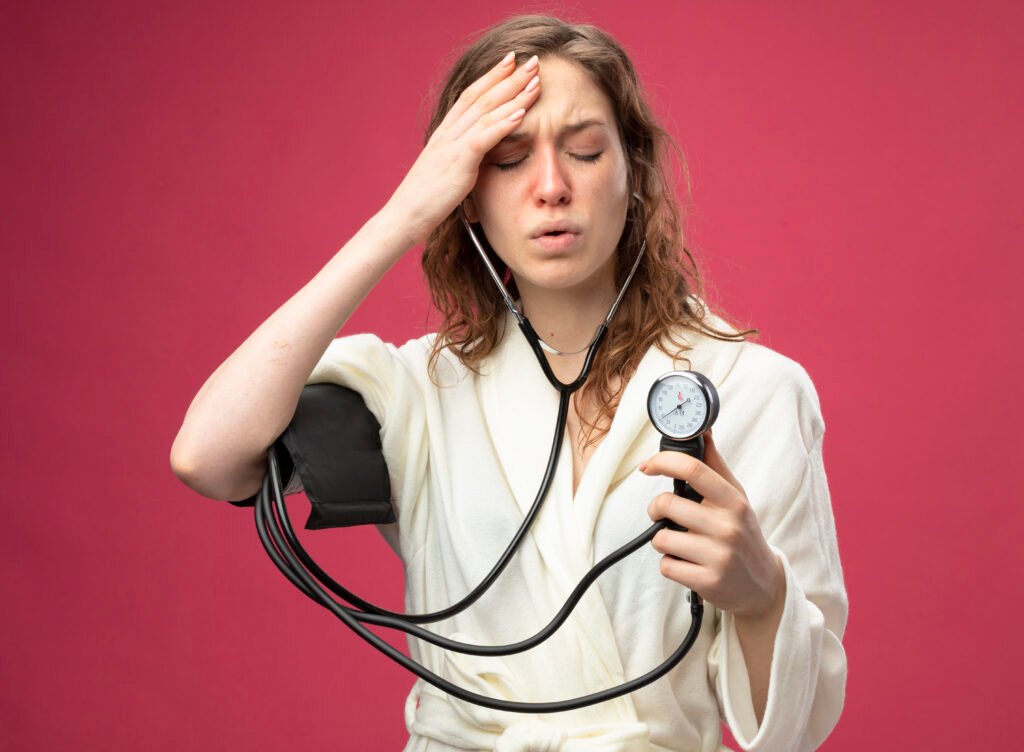
High blood pressure, also known as Hypertension, is a common health issue that affects millions of people worldwide. It often develops silently without noticeable symptoms, which is why it’s frequently called the “silent killer.” Understanding what causes high blood pressure is essential for prevention, early detection, and effective management.
1. Poor Diet and Excess Salt Intake
One of the leading causes of high blood pressure is an unhealthy diet, especially one high in sodium (salt). Consuming too much salt causes the body to retain water, increasing the volume of blood and putting extra pressure on blood vessel walls. Processed foods, fast foods, and packaged snacks are major contributors to high sodium intake.
Diets low in potassium, magnesium, and fiber can also worsen blood pressure levels. A balanced diet rich in fruits, vegetables, and whole grains helps regulate blood pressure naturally.
2. Lack of Physical Activity
A sedentary lifestyle plays a major role in developing hypertension. When you don’t engage in regular physical activity, your heart becomes less efficient at pumping blood. This leads to increased pressure in the arteries.
Regular exercise, such as walking, jogging, or cycling, strengthens the heart and improves blood circulation, reducing the risk of high blood pressure.
3. Obesity and Excess Body Weight
Being overweight significantly increases the risk of high blood pressure. Extra body weight forces the heart to work harder to pump blood throughout the body. This added strain raises blood pressure levels over time.
Fat accumulation, especially around the abdomen, is closely linked to hypertension. Maintaining a healthy weight through diet and exercise is one of the most effective ways to control blood pressure.
4. Stress and Mental Health
Chronic stress is another important factor contributing to high blood pressure. When you’re stressed, your body releases hormones that temporarily increase heart rate and narrow blood vessels.
Over time, repeated stress can lead to long-term hypertension. Additionally, unhealthy coping mechanisms like overeating, smoking, or alcohol consumption can further elevate blood pressure levels.
5. Smoking and Alcohol Consumption

Smoking damages blood vessels and reduces their elasticity, making it harder for blood to flow smoothly. Each cigarette temporarily raises blood pressure and contributes to long-term cardiovascular issues.
Excessive alcohol consumption also increases blood pressure. While moderate drinking may not be harmful, regular heavy drinking can lead to sustained hypertension and heart disease.
6. Genetics and Family History
Sometimes, high blood pressure runs in families. If your parents or close relatives have hypertension, you may have a higher risk of developing it as well.
Genetic factors can influence how your body regulates sodium, processes hormones, and maintains blood vessel health. While you cannot change your genetics, you can manage lifestyle factors to reduce your risk.
7. Age and Hormonal Changes
As people age, their blood vessels naturally lose elasticity, which can lead to increased blood pressure. Hormonal changes, especially in women during menopause, can also contribute to hypertension.
Regular health check-ups become increasingly important with age to monitor and manage blood pressure levels effectively.
8. Underlying Medical Conditions
Certain health conditions can cause or worsen high blood pressure. These include kidney disease, diabetes, and hormonal disorders. Medications such as birth control pills or steroids may also raise blood pressure in some individuals.
Treating the underlying condition often helps in controlling hypertension.
High blood pressure is influenced by a combination of lifestyle choices, genetic factors, and underlying health conditions. While it may develop silently, its effects can be serious if left unmanaged. By maintaining a healthy diet, staying physically active, managing stress, and avoiding harmful habits like smoking and excessive alcohol consumption, you can significantly reduce your risk.
Best Adventures to do in India
Read Also: Tours And Travels Website Design