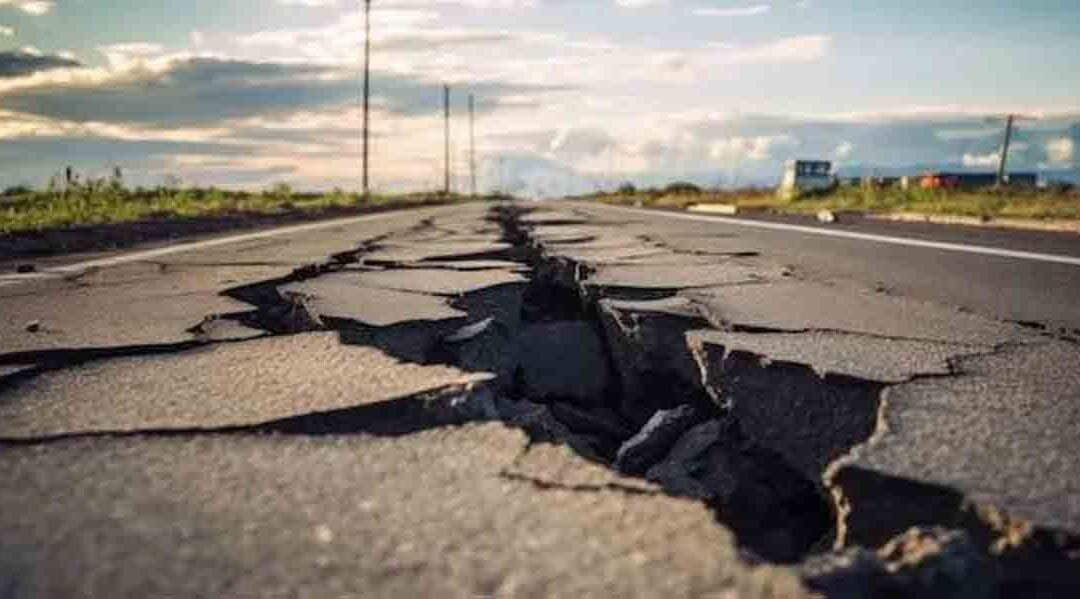
An earthquake is the sudden shaking of the ground caused by movement within the Earth’s crust. This natural event occurs when energy stored in tectonic plates is released, creating seismic waves. Regions located near fault lines are more prone to Earthquake near me, but they can happen almost anywhere without much warning.
Why You Might Search “Earthquake Near Me”
When people search for “Earthquake near me,” they are usually trying to find real-time information about recent seismic activity in their area. This could be due to feeling tremors, hearing news reports, or wanting to stay updated on potential risks. With modern technology, it’s easier than ever to track earthquakes using mobile apps, government websites, and seismic monitoring tools.
Common Causes of Earthquakes
Earthquakes are primarily caused by tectonic plate movements. These plates are always moving, colliding, or slipping past one another. The three main types of plate boundaries that trigger earthquakes include:
- Convergent boundaries where plates collide
- Divergent boundaries where plates move apart
- Transform boundaries where plates slide sideways
In addition to natural causes, human activities such as mining, reservoir-induced seismicity, and drilling can sometimes trigger minor earthquakes.
Signs of an Earthquake
While earthquakes often strike without warning, there are a few signs that may indicate seismic activity:
- Sudden ground shaking or vibrations
- Rumbling sounds coming from the earth
- Objects swaying or falling unexpectedly
- Animals behaving unusually
However, these signs are not always reliable, which is why preparedness is essential.
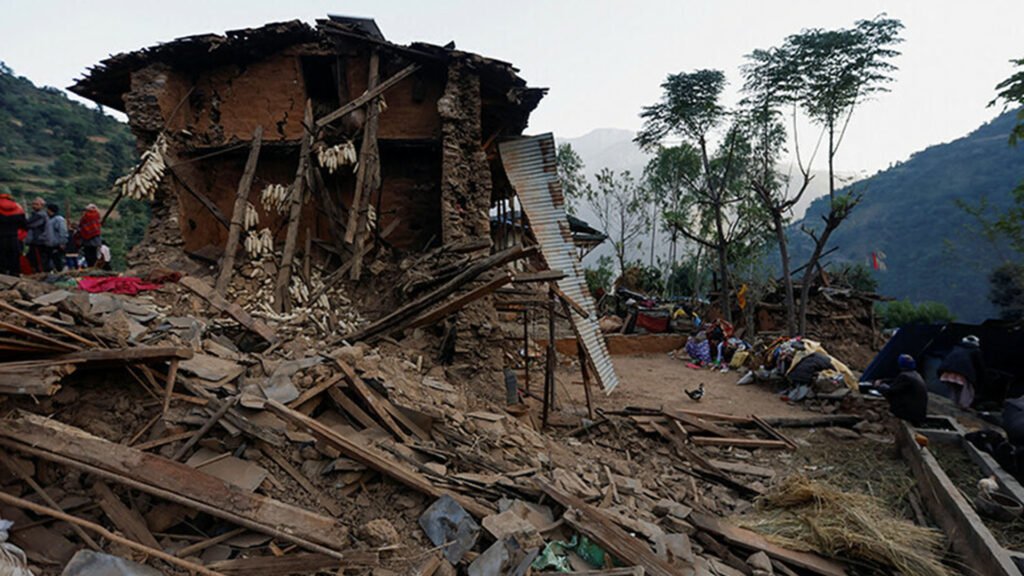
How to Stay Safe During an Earthquake
During an earthquake, your primary concern should be safety. earthquake. Follow these simple guidelines:
- Drop, Cover, and Hold On: Get down on your hands and knees, take cover under a sturdy table, and hold on until the shaking stops.
- Stay Indoors: Avoid running outside during shaking, as falling debris can be dangerous.
- Keep Away from Windows: Glass can shatter and cause injuries.
- If Outdoors: Move to an open area away from buildings, trees, and power lines.
Preparedness can significantly reduce the risk of injury during seismic events.
What to Do After an Earthquake
Once the shaking stops, take the following steps:
- Check yourself and others for injuries
- Avoid damaged buildings
- Turn off gas and electricity if necessary
- Stay informed through official updates
- Be prepared for aftershocks
Aftershocks can occur minutes, hours, or even days after the main earthquake, so remain cautious.
Tools to Monitor Earthquakes Near You
Today, several tools can help you stay updated on earthquakes:
- Mobile apps with real-time alerts
- Government disaster management websites
- Seismic monitoring platforms
- News updates and local authorities
These resources provide information about earthquake magnitude, location, and depth, helping you make informed decisions.
Importance of Earthquake Preparedness
Preparedness is key to minimizing damage and ensuring safety. Create an emergency kit that includes:
- Water and non-perishable food
- First aid supplies
- Flashlights and batteries
- Important documents
Having a family emergency plan and knowing evacuation routes can make a big difference during emergencies.
Searching for “earthquake near me” is often driven by concern and the need for immediate information. While earthquakes are unpredictable, staying informed and prepared can help you respond effectively. By understanding the causes, recognizing the signs, and following safety measures, you can protect yourself and your loved ones during seismic events.