
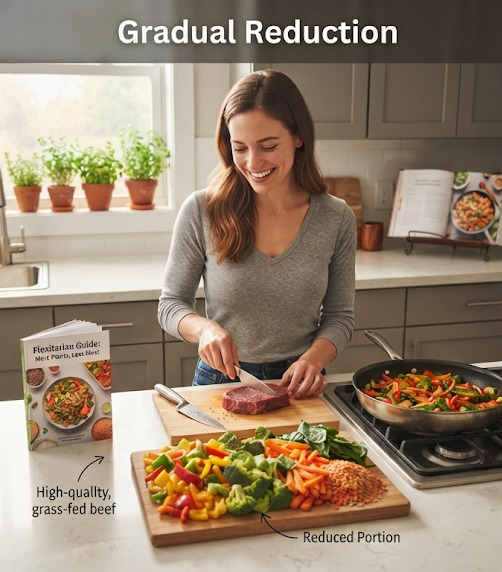
A growing number of people are choosing to transition diets into flexible plant-forward lifestyles instead of following strict eating plans. This balanced approach focuses on adding more plant-based foods while still allowing occasional consumption of meat, fish, dairy, or eggs. Rather than eliminating entire food groups, a plant-forward lifestyle encourages healthier choices that are sustainable, nutritious, and enjoyable.
Whether your goal is to improve your health, reduce your environmental impact, or simply explore new foods, adopting a flexible plant-forward diet can make the journey easier and more successful.
What Is a Flexible Plant-Forward Lifestyle?
A flexible plant-forward lifestyle emphasizes whole, minimally processed plant foods as the foundation of daily meals. Vegetables, fruits, whole grains, legumes, nuts, and seeds become the primary ingredients, while animal-based products are enjoyed in moderation according to personal preference.
Unlike restrictive diets, this eating pattern promotes flexibility. You can still enjoy your favorite meals while gradually increasing the proportion of plant-based ingredients on your plate. This makes the transition realistic and easier to maintain over the long term.
Benefits of Transitioning to a Plant-Forward Diet
Implementing minor adjustments to your diet can result in notable enhancements in your health. Plant-based foods are naturally rich in vitamins, minerals, antioxidants, and dietary fiber that support overall wellness.
Some of the key benefits include:
- Improved heart health through lower saturated fat intake.
- Better digestive health due to increased fiber consumption.
- Enhanced weight management with nutrient-dense foods.
- Consistent energy levels can be achieved by consuming whole grains and complex carbohydrates.
- Reduced environmental impact by consuming fewer animal products.
Many people also discover a wider variety of flavors and cooking techniques when they incorporate more plant-based meals into their weekly routine.
Simple Steps to Transition Your Diet
Changing your eating habits doesn’t have to happen overnight. Gradual improvements often create lasting results.
Start with One Plant-Based Meal Daily
Replace one meal each day with a plant-based alternative. A hearty vegetable stir-fry, lentil soup, or bean burrito provides satisfying nutrition without feeling restrictive.
Fill Half Your Plate with Vegetables
A simple guideline is to make vegetables the star of every meal. Vibrantly colored vegetables offer vital nutrients and enhance dishes with their texture and taste.
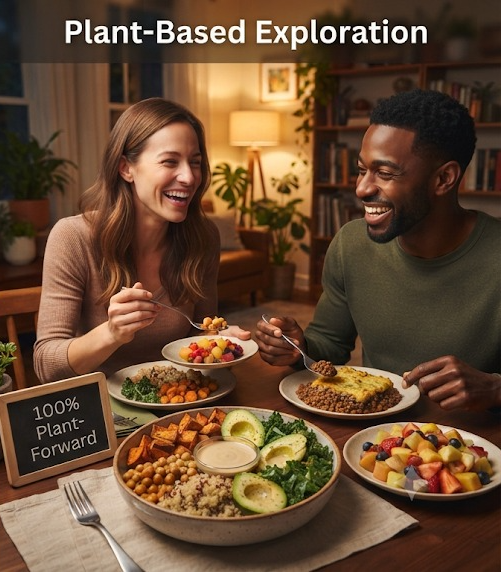
Choose Whole Grains
Swap refined grains for healthier options such as brown rice, quinoa, oats, whole wheat pasta, or barley. These foods provide lasting energy and additional fiber.
Explore Plant Proteins
Beans, lentils, chickpeas, tofu, tempeh, edamame, and peas offer excellent sources of protein. Combining different plant proteins throughout the day ensures a balanced nutrient intake.
Keep Your Favorite Foods
You don’t need to eliminate meat completely. Instead, reduce portion sizes and complement meals with more vegetables and legumes. This balanced strategy helps maintain consistency without feeling deprived.
Essential Nutrients to Consider
Even though adopting a diet rich in plants offers plenty of nutrients, it is crucial to ensure a diet that is well-rounded. Focus on obtaining sufficient protein, iron, calcium, vitamin B12, vitamin D, and omega-3 fatty acids through a combination of foods or supplements when recommended by a healthcare professional.
Including fortified plant milks, leafy greens, seeds, nuts, and legumes helps support optimal nutrition.
Easy Meal Ideas for Beginners
If you’re new to plant-forward eating, simple recipes make the transition enjoyable.
Breakfast could include overnight oats topped with berries and almonds. Lunch might feature a quinoa salad with roasted vegetables and chickpeas. Dinner can consist of vegetable curry served with brown rice or whole-grain pasta tossed with spinach, mushrooms, and lentils.
Healthy snacks such as fresh fruit, hummus with vegetables, mixed nuts, or roasted chickpeas help maintain energy throughout the day.
Tips for Long-Term Success
Consistency matters more than perfection. Plan meals ahead, experiment with new recipes, and gradually introduce different fruits, vegetables, and whole grains into your routine. Shopping for seasonal produce also keeps meals affordable and flavorful.
Listening to your body’s needs while allowing occasional flexibility prevents feelings of restriction and makes healthy eating enjoyable.
Transitioning diets into flexible plant-forward lifestyles is a practical and sustainable way to improve health without following rigid rules. By focusing on whole plant foods while allowing room for personal preferences, you can create eating habits that are both nutritious and enjoyable. Small, consistent changes often produce the greatest long-term results, helping you build a healthier lifestyle that supports both personal well-being and environmental sustainability.
Read Also: Wedding Website Design