Ovulation is one of the most important biological processes in the female reproductive system. It plays a crucial role in natural conception, menstrual health, and overall fertility. From a medical perspective, understanding the clinical definition of ovulation helps individuals recognize how the reproductive cycle functions and why ovulation is essential for pregnancy. Whether you are trying to conceive, tracking your menstrual cycle, or simply learning about reproductive health, knowing the science behind ovulation is valuable.
What Is the Clinical Definition of Ovulation?
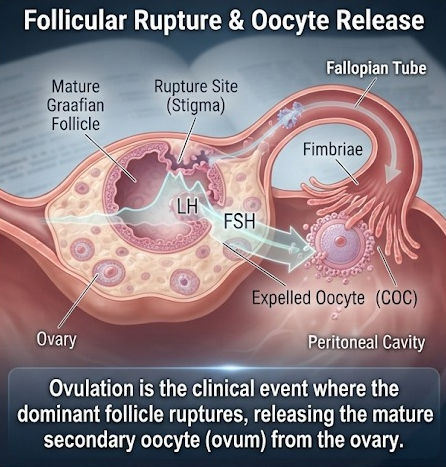
The clinical definition of ovulation refers to the release of a mature egg (ovum) from the dominant ovarian follicle in response to a surge in luteinizing hormone (LH). This process typically occurs once during each menstrual cycle in women of reproductive age.
After the egg is released, it travels into the fallopian tube, where it remains viable for approximately 12 to 24 hours. If sperm fertilizes the egg during this period, pregnancy can occur. If fertilization does not take place, the egg naturally breaks down, and menstruation follows as part of the menstrual cycle.
How Ovulation Occurs
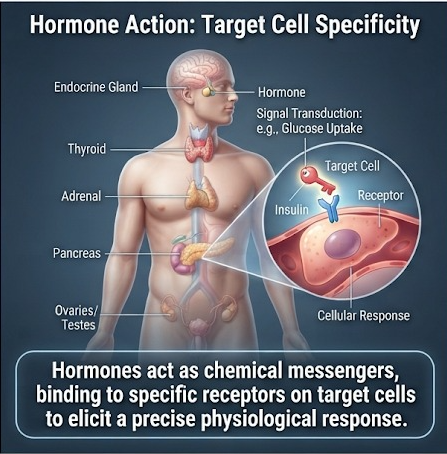
Ovulation is controlled by a complex interaction of hormones produced by the brain and ovaries. The process generally follows these stages:
1. Follicular Development
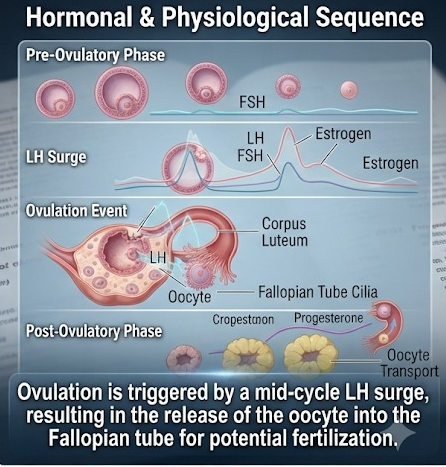
The menstrual cycle begins with the follicular phase. During this stage, follicle-stimulating hormone (FSH) stimulates several ovarian follicles to grow. One follicle typically takes over and keeps growing.
2. Hormonal Surge
The dominant follicle produces more estrogen as it ages. High estrogen levels trigger a surge of luteinizing hormone (LH), which signals the ovary to release the mature egg.
3. Release of the Egg
Approximately 24 to 36 hours after the LH surge, the mature egg is released from the ovary. This event is clinically recognized as ovulation.
4. Luteal Phase
The ruptured follicle becomes the corpus luteum, which secretes progesterone, following ovulation. This hormone prepares the uterine lining for a potential pregnancy.
Common Signs and Symptoms of Ovulation
There are a lot of physical markers that indicate ovulation, ovulation, ovulation, ovulation. Common symptoms include:
- Mild pelvic pain or ovulation cramps (Mittelschmerz)
- Increased cervical mucus that appears clear and stretchy
- Slight increase in basal body temperature
- Increased libido
- Breast tenderness
- Mild bloating
- Heightened sense of smell in some individuals
These signs can help identify the fertile window but may vary from person to person.
Why Ovulation Is Important
Ovulation is essential for reproductive health and fertility. Without the release of a healthy egg, natural conception cannot occur. Regular ovulation also indicates that hormonal functions within the reproductive system are operating normally.
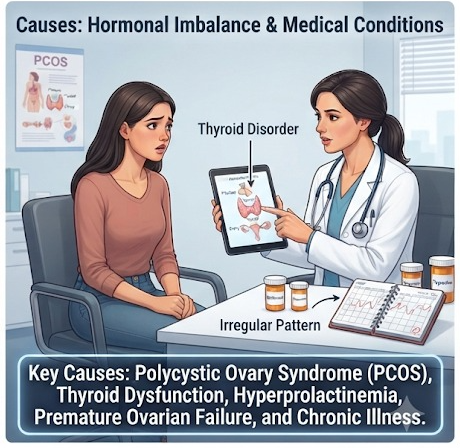
Healthcare providers often evaluate ovulation when diagnosing infertility, irregular menstrual cycles, or hormonal disorders. Conditions such as polycystic ovary syndrome (PCOS), thyroid disorders, or premature ovarian insufficiency can interfere with normal ovulation.
Clinical Methods to Confirm Ovulation
Doctors use several medical techniques to determine whether ovulation has occurred. These include:
- Blood tests to measure progesterone levels
- Urine ovulation predictor kits that detect LH surge
- Transvaginal ultrasound monitoring of follicle growth
- Basal body temperature charting
- Cervical mucus observation
These diagnostic methods provide valuable information for fertility evaluation and treatment planning.
Factors That Affect Ovulation
Several factors can influence the timing or occurrence of ovulation, including:
- Chronic stress
- Hormonal imbalances
- Polycystic ovary syndrome (PCOS)
- Thyroid disorders
- Excessive exercise
- Obesity or being underweight
- Certain medications
- Advancing age
Maintaining a healthy lifestyle can support regular ovulation and improve reproductive health.
Tips for Supporting Healthy Ovulation
Healthy habits may promote consistent ovulation and hormonal balance. Consider the following:
- Eat a balanced, nutrient-rich diet.
- Maintain a healthy body weight.
- Exercise regularly without overtraining.
- Manage stress through relaxation techniques.
- Get adequate sleep each night.
- Schedule routine medical checkups.
- Consult a healthcare professional if menstrual cycles become irregular.
The clinical definition of ovulation describes the hormone-regulated release of a mature egg from the ovary, making fertilization possible. This natural process is central to female fertility and reproductive health. Understanding how ovulation occurs, recognizing its symptoms, and knowing the factors that influence it can help individuals make informed decisions about family planning and overall wellness. If ovulation becomes irregular or absent, seeking medical evaluation is important to identify underlying conditions and receive appropriate treatment.
Liver Cancer Symptoms Cause and Remedy
Read Also: Medical Website Design