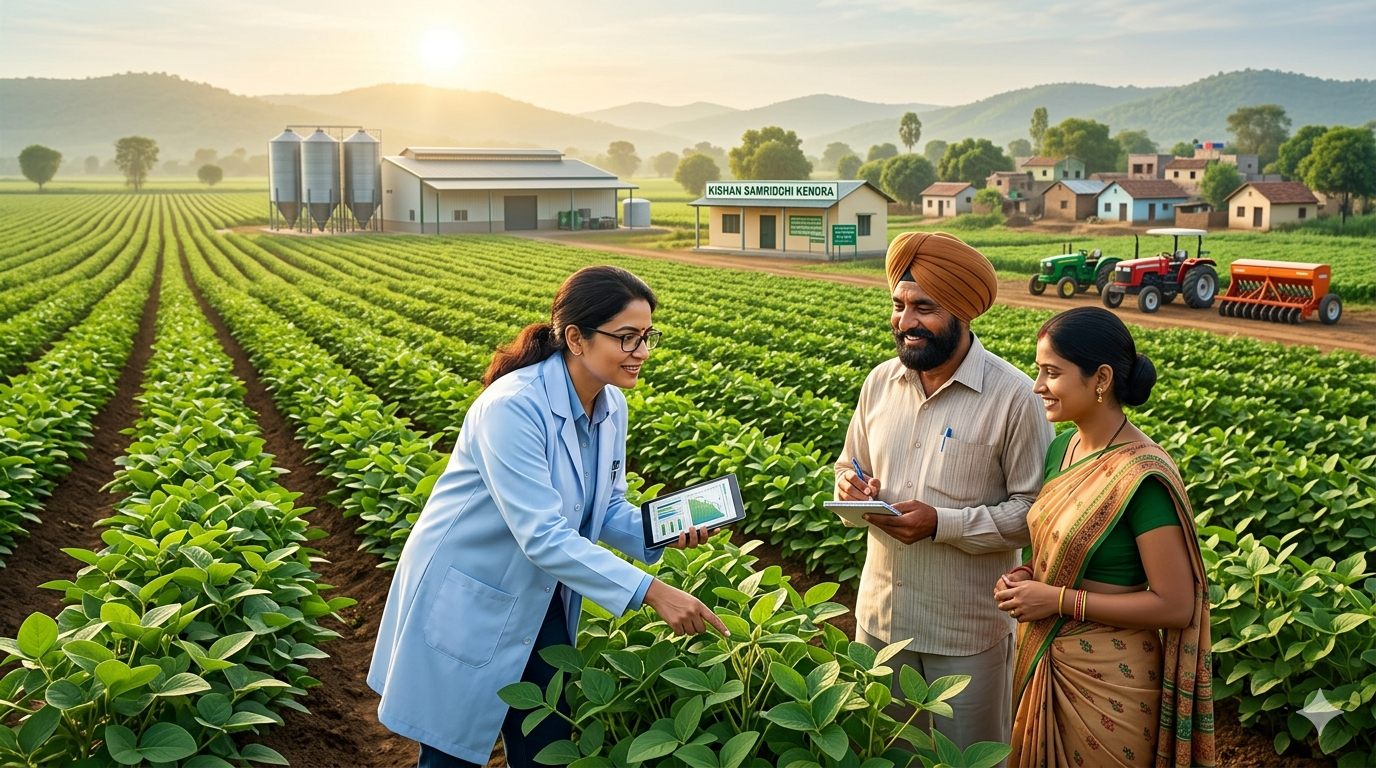
Agriculture is one of the most important sectors in the world. It plays a vital role in the survival of human beings by providing food, raw materials, and employment opportunities. Since ancient times, agriculture has been the backbone of civilization and economic development. Even in the modern digital era, the Importance of Agriculture cannot be ignored because every person depends on farmers for daily food needs. Agriculture not only supports the economy but also contributes to environmental sustainability and rural development.
Agriculture as the Primary Source of Food
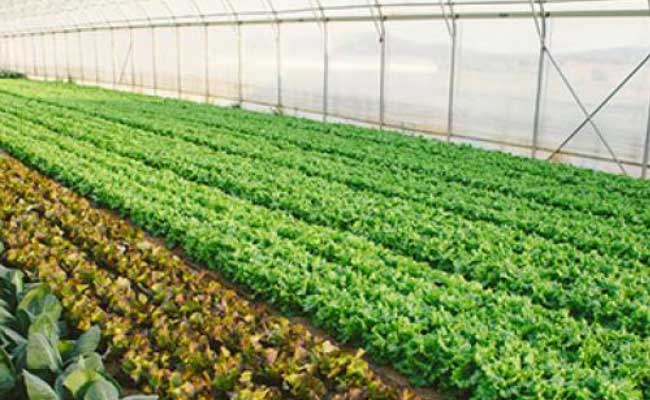
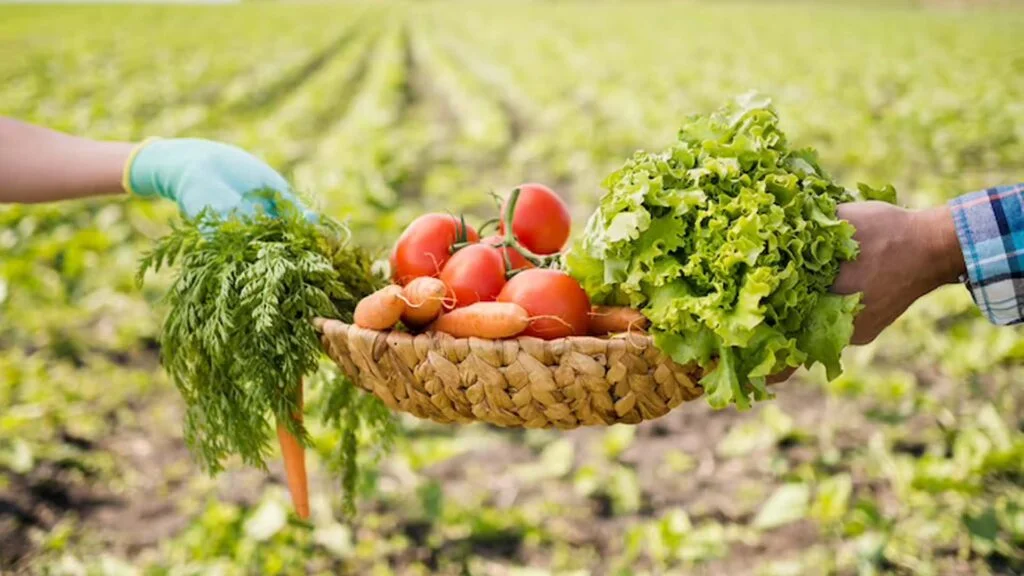
The biggest Importance of Agriculture is food production. Crops such as rice, wheat, maize, fruits, and vegetables are grown through agricultural activities. Without agriculture, humans and animals would not have enough food to survive. Farmers work hard throughout the year to ensure a stable supply of nutritious food for society.
Agriculture also helps in improving food security. A country with strong agricultural production can reduce hunger and dependency on imported food products. This is why governments around the world invest heavily in agricultural development and farming technologies.
Contribution to Economic Growth
Agriculture plays a major role in the economic development of many countries, especially developing nations. It contributes significantly to national income and Gross Domestic Product (GDP). Millions of people are directly or indirectly connected with agriculture through farming, transportation, processing, and marketing.
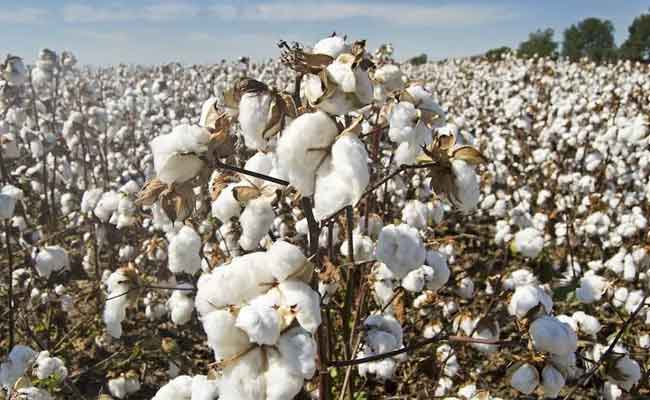
Many industries depend on agriculture for raw materials. Cotton is used in textile industries, sugarcane in sugar production, and rubber in manufacturing industries. Therefore, agriculture supports industrial growth and creates employment opportunities for people living in both rural and urban areas.
Employment Generation
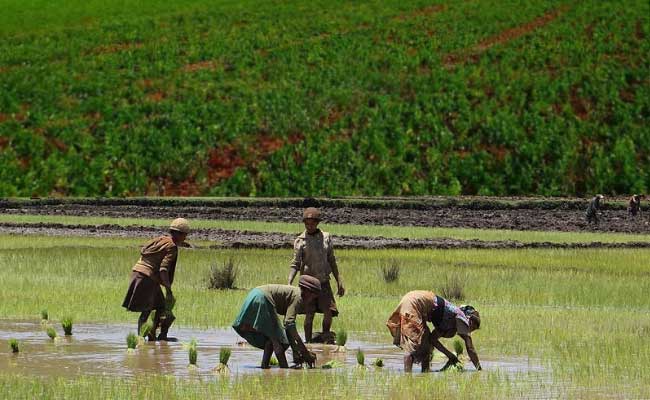
Agriculture is one of the largest sources of employment worldwide. A huge percentage of the population in rural areas depends on farming and related activities for their livelihood. It provides work opportunities in crop cultivation, dairy farming, poultry farming, fisheries, and agricultural trade.
In countries like India, agriculture remains the backbone of rural employment. Small and marginal farmers rely on farming to support their families. Agricultural growth also helps reduce poverty and improve living standards in villages.
Importance of Agriculture in Environmental Balance
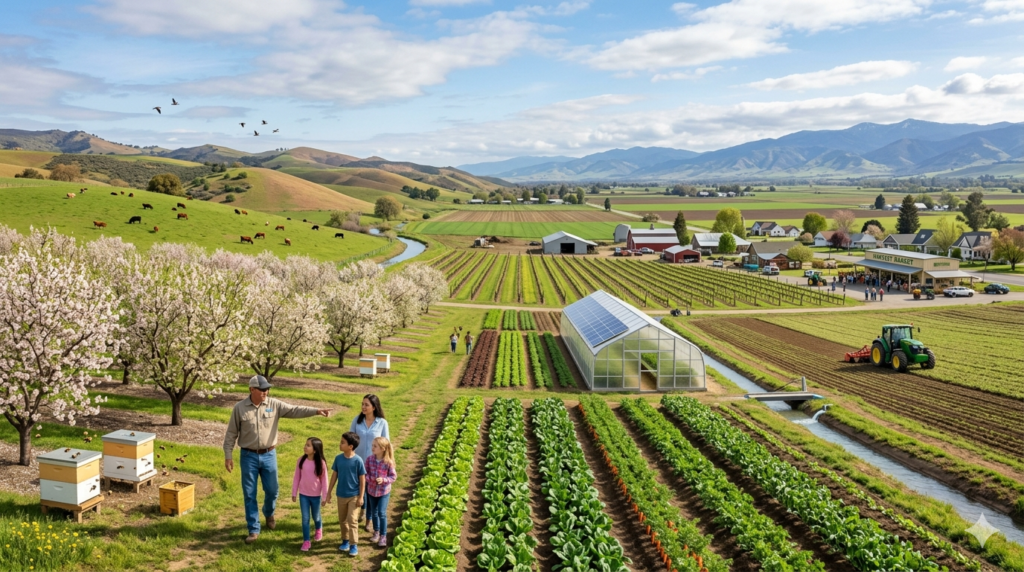
Agriculture contributes to maintaining ecological balance when practiced sustainably. Trees, plants, and crops absorb carbon dioxide and release oxygen, helping to reduce air pollution and global warming. Organic farming and eco-friendly agricultural methods help preserve soil fertility and water resources.
Modern sustainable agriculture encourages crop rotation, rainwater harvesting, and reduced chemical usage. These methods protect biodiversity and maintain a healthy environment for future generations.
Role of Technology in Modern Agriculture
Technology has transformed modern agriculture in many ways. Farmers now use advanced machinery, irrigation systems, drones, and scientific farming techniques to increase productivity. High-quality seeds and fertilizers help improve crop yields and reduce losses.
Digital agriculture and smart farming methods also help farmers monitor weather conditions, soil health, and market prices. These innovations improve efficiency and profitability while reducing labor costs.
Agriculture and Rural Development
Agriculture is closely linked with rural development. When agriculture grows, rural infrastructure such as roads, storage facilities, schools, and healthcare services also improve. Increased agricultural income helps farmers provide better education and healthcare for their families.
Government schemes and agricultural support programs encourage farmers to adopt better farming methods and increase production. This leads to overall social and economic progress in rural communities.
Challenges Faced by Agriculture
Despite its importance, agriculture faces many challenges today. Climate change, water scarcity, soil degradation, and rising production costs affect farming activities. Natural disasters such as floods and droughts also damage crops and reduce farmers’ income.
To overcome these challenges, governments and agricultural organizations must promote sustainable farming practices, provide financial support to farmers, and encourage technological innovation in the agricultural sector.
Agriculture is the foundation of human civilization and economic progress. It provides food, employment, raw materials, and environmental benefits. The development of agriculture leads to stronger economies, healthier societies, and better living standards. Supporting farmers and promoting sustainable agriculture are essential for ensuring food security and protecting the environment for future generations. Agriculture will always remain an important pillar of human life and national development.
India’s Agricultural Exports Opportunities and Challenges
Read Also: Exploring Opportunities in the Farming Industry