The Secretary of Agriculture plays a vital role in shaping a nation’s agricultural policies, food security systems, and rural development programs. As the head of the agriculture department, the Secretary of Agriculture oversees farming regulations, supports farmers, manages food production standards, and ensures sustainable agricultural growth. In many countries, this position is considered one of the most influential government roles related to the economy and public welfare.
Agriculture remains the backbone of many economies worldwide, making the Secretary of Agriculture essential for balancing food supply, environmental protection, and economic development. This article explains the responsibilities, importance, and challenges faced by the Secretary of Agriculture in today’s rapidly changing world.
What Is the Secretary of Agriculture?
The Secretary of Agriculture is a senior government official responsible for leading the agriculture department or ministry. This individual creates policies that promote agriculture, boost agricultural output, control food safety, and enhance rural communities.
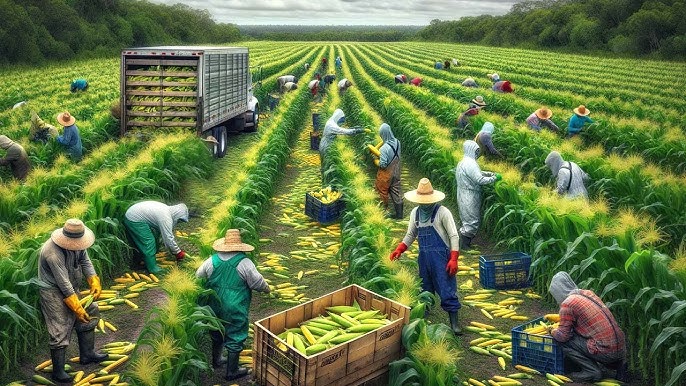
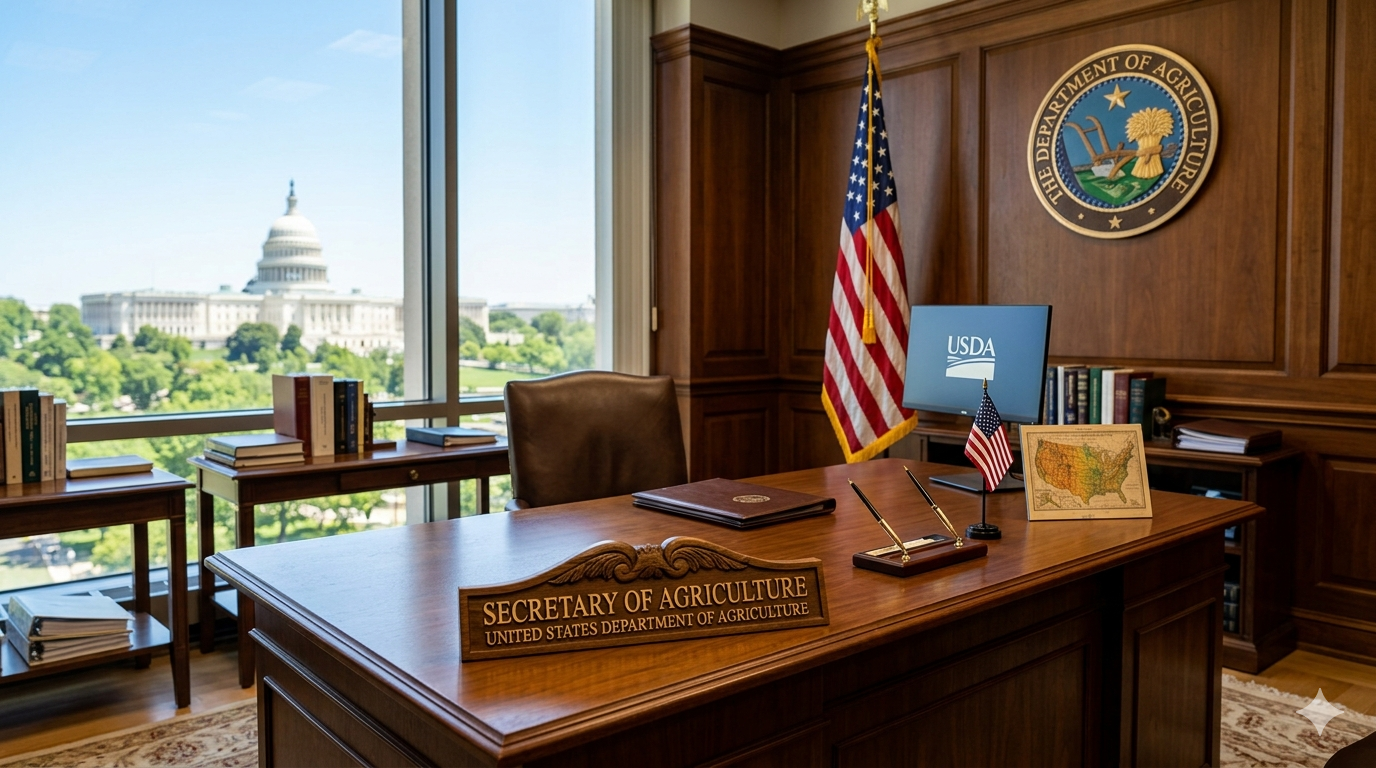
In countries like the United States, the Secretary of Agriculture heads the Department of Agriculture and serves as a member of the president’s cabinet. The office directly impacts agriculture, forestry, livestock, nutrition programs, and international agricultural trade.
The role requires strong leadership, knowledge of farming systems, and the ability to respond to issues such as climate change, food shortages, and rising agricultural costs.
Main Responsibilities of the Secretary of Agriculture
1. Developing Agricultural Policies
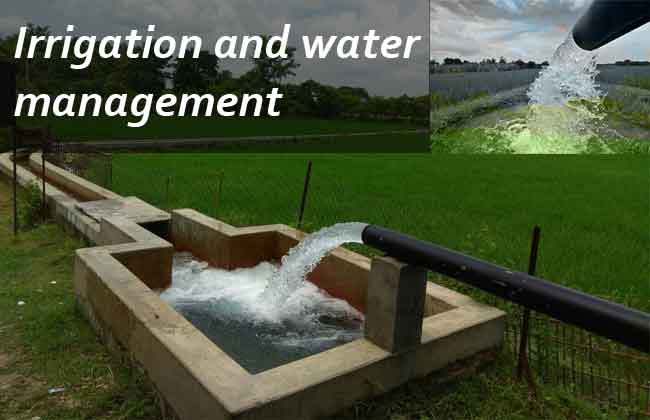
One of the primary duties of the Secretary of Agriculture is creating policies that support the agricultural sector. These policies may include crop subsidies, irrigation programs, fertilizer management, and farming technology improvements.
The Secretary works closely with lawmakers, agricultural experts, and farmer organizations to create effective solutions for agricultural growth.
2. Ensuring Food Safety
Food safety is another major responsibility. The Secretary of Agriculture helps establish regulations to ensure that food products meet health and safety standards before reaching consumers.
This includes monitoring food processing plants, inspecting livestock facilities, and controlling disease outbreaks that could threaten public health.
3. Supporting Farmers and Rural Communities
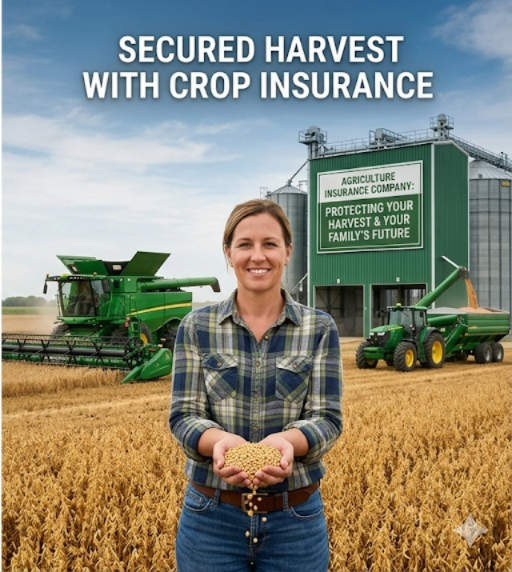
Farmers often face financial challenges due to unpredictable weather, market fluctuations, and natural disasters. The Secretary of Agriculture develops support programs such as agricultural loans, insurance plans, and emergency relief packages.
Rural development projects, including road construction, electricity access, and irrigation systems, also fall under the department’s responsibilities.
4. Promoting Sustainable Agriculture
Modern agriculture must balance productivity with environmental protection. The Secretary of Agriculture promotes sustainable farming practices that conserve water, reduce pollution, and protect soil fertility.
Programs encouraging organic farming, renewable energy use, and climate-smart agriculture are becoming increasingly important worldwide.
Importance of the Secretary of Agriculture
The Secretary of Agriculture directly influences food availability, economic stability, and rural employment. Strong agricultural leadership can improve food production, reduce poverty, and strengthen national economies.
Agriculture also affects global trade. Exporting crops, dairy products, and livestock contributes significantly to many countries’ revenues. The Secretary helps negotiate agricultural trade agreements and maintain international market competitiveness.
Additionally, the office plays a crucial role during emergencies such as droughts, floods, or pandemics that disrupt food supply chains.
Challenges Faced by the Secretary of Agriculture
Climate Change
Climate change is one of the biggest challenges in modern agriculture. Rising temperatures, changing rainfall patterns, and extreme weather events affect crop yields and livestock production.
The Secretary of Agriculture must create long-term strategies to help farmers adapt to these environmental changes.
Rising Food Demand
As the global population grows, food demand continues to increase. Meeting this demand while preserving natural resources is a difficult task requiring innovation and careful planning.
Technological Advancements
Agricultural technology is evolving rapidly. From precision farming to artificial intelligence, the Secretary of Agriculture must encourage innovation while ensuring that small farmers also benefit from modern tools.
The Secretary of Agriculture holds a critical position in ensuring food security, supporting farmers, and promoting sustainable agricultural development. Through effective leadership and policy-making, the office helps strengthen rural economies, improve food systems, and address global agricultural challenges.
India’s Agricultural Exports Opportunities and Challenges
Read Also: Exploring Opportunities in the Farming Industry