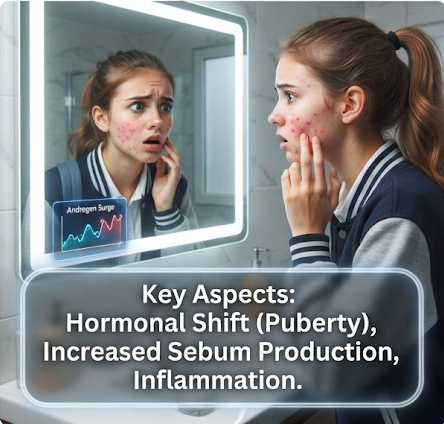
Adolescence is one of the most frequent stages to have skin problems such as acne. If you’ve ever wondered, “Why do teens get sudden acne?”, you’re not alone. Many teenagers experience unexpected breakouts that seem to appear overnight, affecting their confidence and daily lives. While sudden acne can be frustrating, understanding its causes and knowing how to manage it can help keep your skin healthy.
In this article, we’ll explore why teens develop sudden acne, the common triggers, prevention tips, and the best treatment options.
What Causes Sudden Acne in Teenagers?
The primary reason teens experience sudden acne is hormonal changes during puberty. As the body develops, hormone levels rise significantly, particularly androgens. More sebum is produced by the sebaceous glands as a result of these hormones.
When excess oil combines with dead skin cells, it blocks pores. Bacteria naturally present on the skin multiply inside these clogged pores, causing inflammation that results in pimples, blackheads, whiteheads, or painful cystic acne.
Although hormones are the leading cause, several other factors can trigger sudden acne breakouts.
Hormonal Changes During Puberty
Puberty is the biggest contributor to teenage acne. Both boys and girls experience hormonal fluctuations that increase oil production.
These hormonal shifts can lead to:
- Oily skin
- Whiteheads
- Blackheads
- Red pimples
- Painful acne cysts
Hormonal acne often appears on the face, forehead, chest, shoulders, and back because these areas contain more oil glands.
Poor Skincare Habits
Improper skincare can make acne worse. Many teenagers unknowingly use harsh soaps or scrub their skin aggressively, believing it will remove pimples. Unfortunately, excessive washing irritates the skin and may increase oil production.
Healthy skincare habits include:
- Using a mild cleaning to wash your face twice a day.
- Removing makeup before sleeping.
- Avoiding heavy, oil-based cosmetics.
- Using non-comedogenic skincare products.
A simple skincare routine can significantly reduce future breakouts.
Diet and Lifestyle Factors
Although food alone doesn’t directly cause acne, certain eating habits may contribute to breakouts in some teenagers.
Foods that may trigger acne include:
- Sugary snacks
- Soft drinks
- Processed foods
- White bread
- High-glycemic carbohydrates
Eating more fruits, vegetables, lean protein, whole grains, and drinking plenty of water supports overall skin health.
Regular exercise and sufficient sleep also help balance hormones and reduce inflammation.
Stress Can Trigger Acne
School exams, sports competitions, social pressures, and lack of sleep can increase stress levels among teenagers.
Stress doesn’t directly create acne, but it increases cortisol production, which may stimulate oil glands and worsen existing acne.
Managing stress through:
- Exercise
- Meditation
- Reading
- Spending time outdoors
- Getting 8–10 hours of sleep
can help reduce acne flare-ups.
Genetics Also Play a Role
If one or both parents experienced severe acne during their teenage years, there’s a higher chance their children will develop acne as well.
While genetics cannot be changed, maintaining proper skincare and seeking early treatment can minimize its severity.
Common Mistakes That Make Acne Worse
Many teens unintentionally worsen acne by following myths or unhealthy habits.
Avoid these common mistakes:
- Picking or popping pimples
- Washing the face excessively
- Using alcohol-based products
- Sharing makeup or towels
- Sleeping with makeup on
- Frequently touching the face
These habits can spread bacteria, increase inflammation, and lead to permanent acne scars.
Best Treatments for Teenage Acne
Most mild acne can be managed with over-the-counter treatments containing:
- Benzoyl peroxide
- Salicylic acid
- Adapalene
For moderate or severe acne, a dermatologist may recommend prescription creams, antibiotics, hormonal treatments, or isotretinoin in specific cases.
Never start prescription medication without professional medical advice.
How to Prevent Sudden Acne
Preventing acne requires consistency rather than quick fixes.
Follow these healthy habits:
- Cleanse your face morning and night.
- Moisturize with an oil-free moisturizer.
- Wear sunscreen daily.
- Avoid touching your face.
- Eat a balanced diet.
- Stay hydrated.
- Exercise regularly.
- Get enough sleep.
- Wash pillowcases and towels frequently.
Small daily habits often produce long-term improvements in skin health.

When Should You See a Dermatologist?
While mild acne is common during the teenage years, medical attention may be necessary if:
- Acne becomes painful.
- Breakouts leave scars.
- Over-the-counter treatments don’t work after several weeks.
- Large cysts develop.
- Acne significantly affects confidence or mental well-being.
Early treatment can prevent permanent scarring and improve skin health.
Understanding why teens get sudden acne begins with recognizing the role of hormonal changes, genetics, stress, skincare habits, and lifestyle choices. Although acne is a normal part of adolescence, it doesn’t have to control your confidence. Following a gentle skincare routine, maintaining healthy daily habits, and seeking professional treatment when needed can greatly reduce breakouts and prevent long-term skin damage.
Remember, clear skin takes time. Consistency, patience, and proper care are the keys to managing teenage acne successfully and maintaining healthier skin throughout adulthood.
Liver Cancer Symptoms Cause and Remedy
Read Also: Medical Website Design