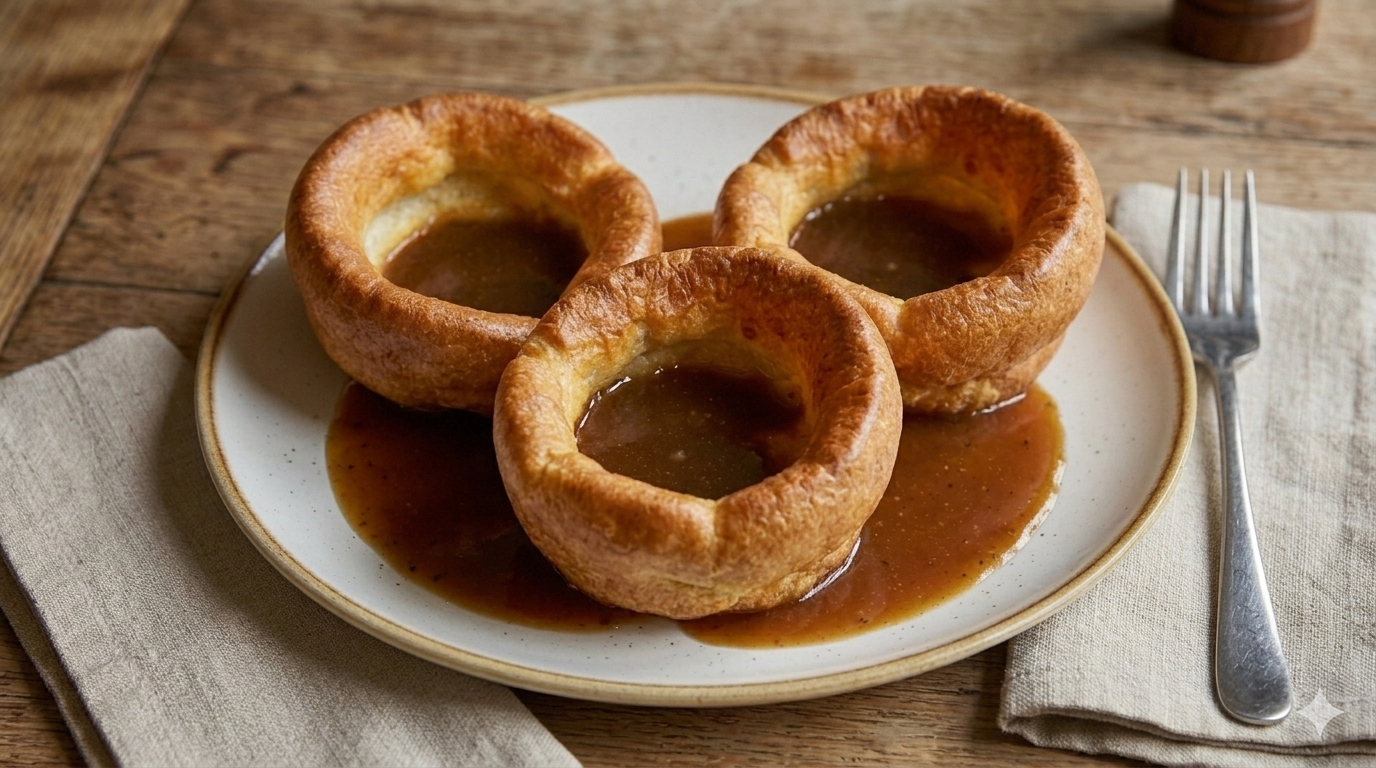
Yorkshire pudding is one of the most iconic dishes in British cuisine, known for its light, airy texture and golden crisp exterior. Traditionally served alongside roast beef, this savory treat has become a staple in Sunday roasts across the United Kingdom. Despite its name, Yorkshire pudding is not a dessert but a delicious baked dish made from a simple batter of eggs, flour, and milk.
History of Yorkshire Pudding
The origins of Yorkshire pudding date back to the 18th century in Northern England. Initially referred to as “dripping pudding,” it was cooked beneath roasting meat to catch the flavorful drippings. This method allowed families to make the most of their ingredients, turning simple batter into a rich and satisfying accompaniment. Over time, it gained popularity and was eventually renamed Yorkshire pudding, reflecting its regional roots.
Ingredients and Preparation
One of the reasons Yorkshire pudding remains so popular is its simplicity. The basic ingredients include all-purpose flour, eggs, milk, and a pinch of salt. The secret to achieving the perfect rise lies in the technique.
First, the batter should be mixed until smooth and left to rest for at least 30 minutes. Meanwhile, oil or beef drippings are heated in a baking tray or muffin tin until smoking hot. The batter is then poured into the hot oil, causing it to sizzle immediately. This high heat is crucial, as it creates steam that helps the pudding rise and develop its signature hollow center.
Cooking Tips for Perfect Yorkshire Pudding
To achieve the best results, consistency and temperature control are key. Always preheat the oven to a high temperature, typically around 220°C (425°F). Avoid opening the oven door while the pudding is baking, as this can cause it to collapse. Using a metal tray instead of glass or ceramic also ensures better heat distribution.
Another useful tip is to ensure the batter is at room temperature before pouring it into the hot oil. Cold batter can prevent the pudding from rising properly. With these techniques, even beginners can create perfectly puffed Yorkshire puddings.
Serving Suggestions
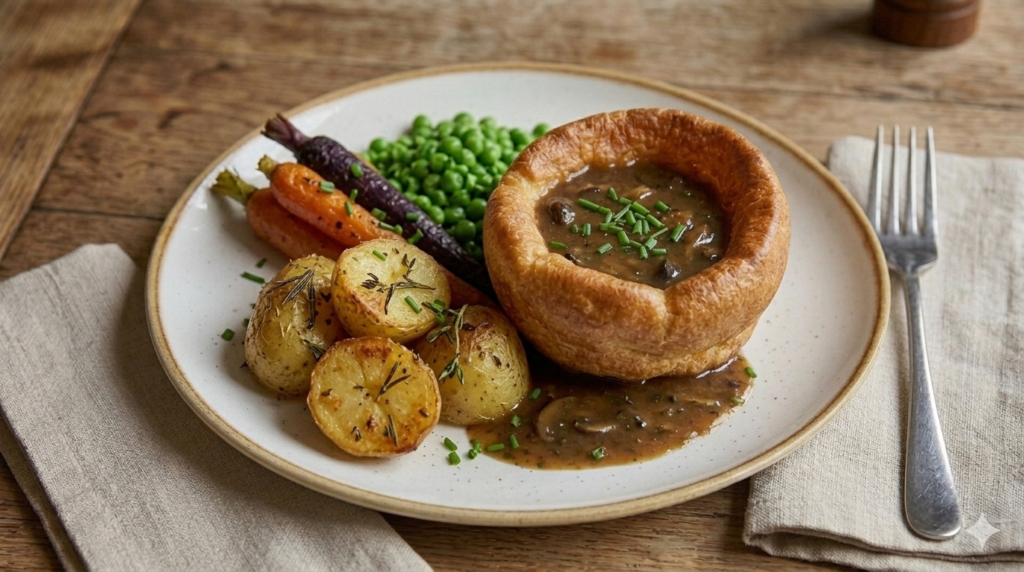
Yorkshire pudding is most commonly served as part of a traditional Sunday roast, accompanied by roast beef, gravy, vegetables, and potatoes. However, it can also be enjoyed in various creative ways. Some people fill it with sausages and gravy to make the popular dish “Toad in the Hole.” Others use it as a base for savory fillings such as stews or even experiment with sweet toppings like honey or jam.
Its versatility makes Yorkshire pudding suitable for both classic and modern recipes, appealing to a wide range of tastes.
Nutritional Value
While Yorkshire pudding is not considered a health food, it can be enjoyed in moderation as part of a balanced diet. It provides carbohydrates and protein from the eggs and flour, but it can also be high in fat depending on the type and amount of oil used. For a lighter version, some cooks opt for vegetable oil or reduce the quantity of fat.
Why Yorkshire Pudding Remains Popular
The enduring appeal of Yorkshire pudding lies in its simplicity, affordability, and comforting taste. It is a dish that brings families together, often associated with hearty meals and traditional gatherings. Its crisp texture and soft interior make it a favorite side dish that complements rich gravies and roasted meats perfectly.
Yorkshire pudding is more than just a side dish—it is a symbol of British culinary heritage. With its humble ingredients and straightforward preparation, it continues to be a beloved recipe passed down through generations. Whether served in a traditional roast or adapted into modern dishes, Yorkshire pudding remains a timeless classic that never goes out of style.
State Wise Food Culture in India
Worldwide Famous Spices of India
Read Aslo: Recipe Cuisine