
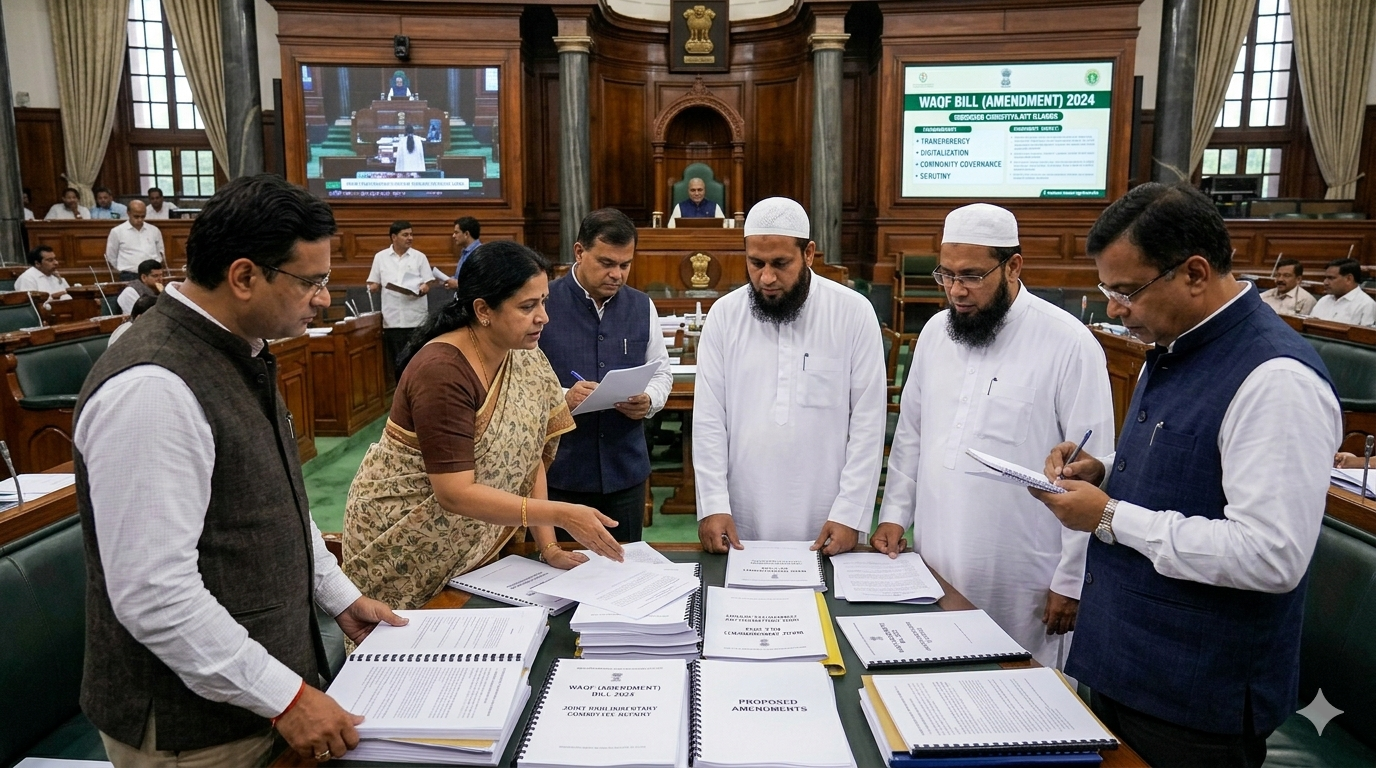
The Waqf Bill is an important piece of legislation in India that governs the management and administration of Waqf properties. These properties are religious or charitable endowments made by Muslims for purposes such as education, healthcare, and social welfare. Understanding the Waqf Bill is essential for anyone interested in legal, social, or religious frameworks related to property and community development.
What is Waqf?
Waqf refers to a permanent dedication of movable or immovable property for religious, pious, or charitable purposes under Islamic law. Once a property is declared as Waqf, it cannot be sold, gifted, or inherited. The ownership is considered to belong to God, and the benefits are used for the welfare of society.
Examples of Waqf properties include mosques, graveyards, schools, orphanages, and hospitals.
What is the Waqf Bill?
The Waqf Bill is a legislative framework that regulates how Waqf properties are managed, protected, and utilized. In India, this law aims to ensure transparency, accountability, and proper use of these properties for the intended purposes.
The bill has undergone several amendments over time to address issues like mismanagement, illegal occupation, and lack of proper records.
Objectives of the Waqf Bill
The Waqf Bill is designed with several key objectives in mind:
- To ensure proper management of Waqf properties
- To prevent misuse or illegal encroachment
- To promote transparency in administration
- To strengthen the role of Waqf Boards
- To use Waqf assets effectively for community welfare
Key Features of the Waqf Bill
1. Formation of Waqf Boards
Each state has a Waqf Board responsible for supervising and managing Waqf properties. These boards act as custodians and ensure that the assets are used appropriately.
2. Survey and Registration
The bill mandates proper surveying and registration of all Waqf properties. This helps in maintaining accurate records and avoiding disputes.
3. Protection Against Encroachment
One of the major provisions is to protect Waqf land from illegal occupation. Special legal measures are included to reclaim encroached properties.
4. Role of Mutawalli
A Mutawalli is a person appointed to manage a Waqf property. The bill defines their duties and responsibilities, ensuring accountability.
5. Tribunal for Disputes
The Waqf Bill provides for the establishment of tribunals to resolve disputes related to Waqf properties quickly and efficiently.
Importance of the Waqf Bill
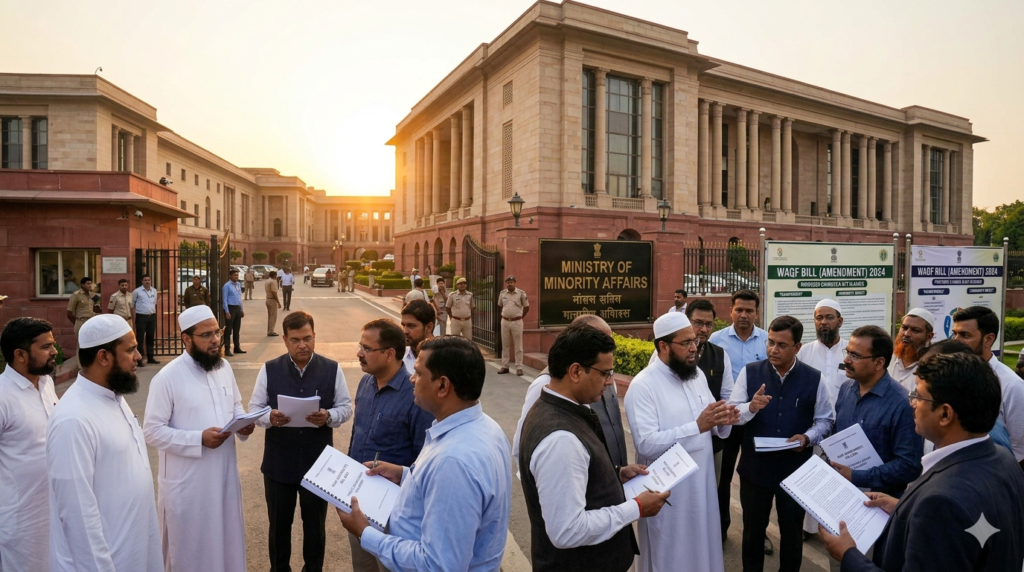
The Waqf Bill plays a crucial role in safeguarding community assets. With thousands of Waqf properties across India, proper regulation ensures that these resources contribute to social and economic development.
It also helps in reducing corruption and mismanagement by introducing stricter rules and monitoring mechanisms.
Challenges and Criticism
Despite its importance, the Waqf Bill faces certain challenges:
- Lack of proper implementation in some regions
- Disputes over ownership and documentation
- Allegations of corruption within Waqf Boards
- Legal complexities in reclaiming encroached land
Addressing these issues requires stronger governance and technological integration such as digital record-keeping.
Recent Developments
In recent years, the government has introduced amendments to improve transparency and efficiency. These include digitization of records, stricter audits, and better coordination between authorities.
Such reforms aim to maximize the potential of Waqf assets for public benefit.
The Waqf Bill is a significant legal framework that ensures the proper management of religious and charitable properties in India. By promoting transparency, accountability, and protection, it helps preserve valuable assets for future generations. However, effective implementation and continuous reforms are necessary to overcome existing challenges and fully realize its benefits.
Read Also: Social Network Website Design