One of the most stunning natural marvels in the world is the ocean. People from around the world admire its deep blue color, whether standing on a beach or looking at pictures taken from space. But many people often ask, “Why is The Ocean Blue?” The answer lies in the science of light, water, and the way sunlight interacts with the ocean. Understanding this fascinating phenomenon helps us appreciate nature even more.
The Role of Sunlight
Sunlight may look white to our eyes, but it is actually made up of many different colors. These colors include red, orange, yellow, green, blue, indigo, and violet. Each color moves in waves of varying lengths. Red light has longer wavelengths, while blue light has shorter wavelengths.
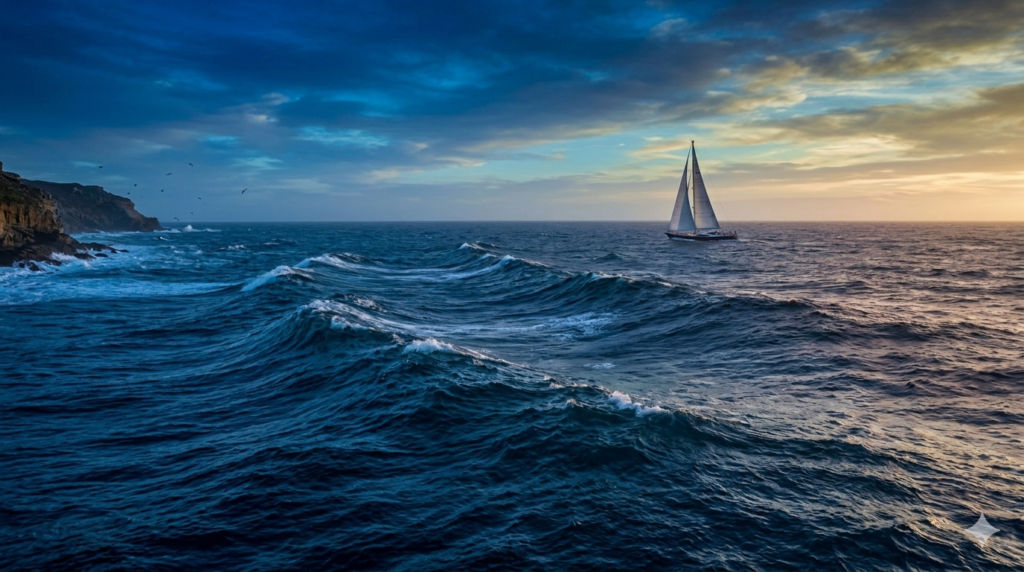
When sunlight reaches the ocean, the water absorbs some colors of light more effectively than others. Colors with longer wavelengths, such as red, orange, and yellow, are absorbed quickly by the water. Blue light, however, is scattered and reflected more than the other colors. This is the main reason why the ocean appears blue to our eyes.
How Water Affects Light
Water molecules play an important role in determining the ocean’s color. Pure water naturally absorbs warm-colored light like red and orange. As sunlight travels deeper into the ocean, these colors disappear first. Blue light can travel farther into the water before being absorbed, making it more visible.
The scattering of blue light in the water causes the ocean to shine with its familiar blue appearance. This effect is similar to why the sky looks blue during the day. In both cases, blue wavelengths are scattered more effectively than other colors.
Why Some Oceans Look Different
Although oceans are generally blue, they do not always appear the same shade everywhere. Several environmental factors can change the color of seawater.
1. Depth of the Water
Deep ocean water often appears dark blue because there is more water to absorb other colors of light. Shallow water may look lighter blue or even turquoise because sunlight can reflect off the sandy ocean floor.
2. Presence of Algae and Plants
Microscopic marine plants called phytoplankton contain chlorophyll, which is green. In areas where there is a high concentration of algae, the ocean may appear greenish instead of blue.
3. Sediments and Pollution
Mud, sand, and pollution can also affect ocean color. After storms or near river mouths, the water may appear brown or cloudy due to suspended particles.
4. Reflection of the Sky
Many people believe the ocean is blue simply because it reflects the sky. While the reflection of the sky does contribute slightly, it is not the main reason. The actual color mostly comes from how water absorbs and scatters sunlight.
Why Tropical Oceans Look Crystal Blue
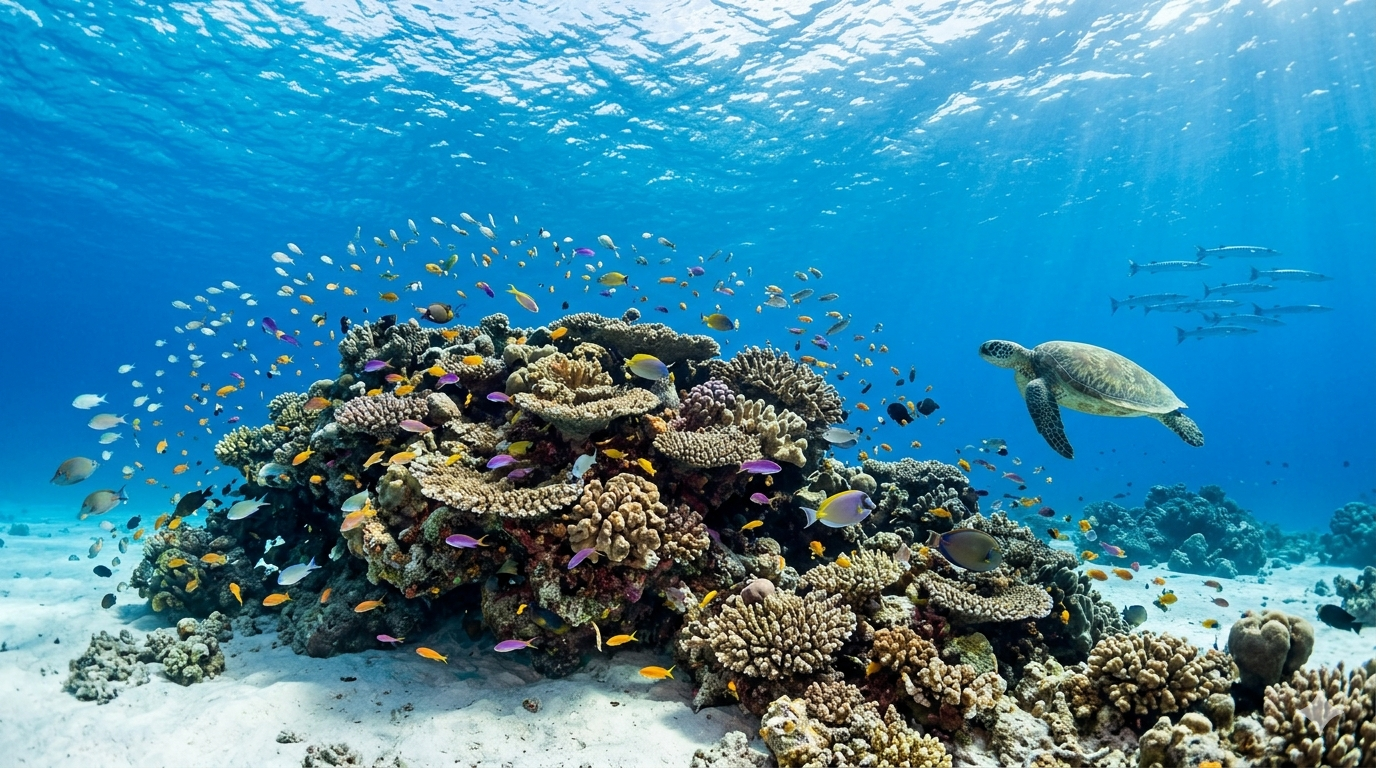
Tropical oceans are famous for their bright blue and turquoise shades. This happens because tropical waters are usually very clear and contain fewer sediments or algae. Sunlight can penetrate deeper into the water and reflect beautifully from white sandy bottoms, creating vibrant colors.
Popular tropical destinations often attract tourists because of these stunning ocean views. The clean and transparent water enhances the natural blue appearance.
Scientific Importance of Ocean Color
Scientists study ocean color for many important reasons. Satellites can observe changes in ocean color from space to monitor pollution, climate change, and marine life. Different shades of blue and green help researchers understand the health of the oceans and detect environmental changes.
Ocean color can also reveal information about underwater ecosystems and the movement of nutrients in the sea. This research is essential for protecting marine biodiversity and maintaining healthy oceans.
The ocean appears blue mainly because water absorbs red, orange, and yellow light while scattering blue light back to our eyes. Factors such as water depth, algae, sediments, and sunlight also influence the ocean’s appearance. Although the reflection of the sky contributes slightly, the true reason lies in the science of light absorption and scattering.
Understanding why the ocean is blue reminds us how amazing nature truly is. The next time you look at the sea, you will know that its beautiful color is the result of fascinating scientific processes happening beneath the surface.
India’s Secret Beaches That Offer Peace and Serenity
Top Beaches in India for Solitude and Spiritual Freedom
Tours And Travels Website Design