

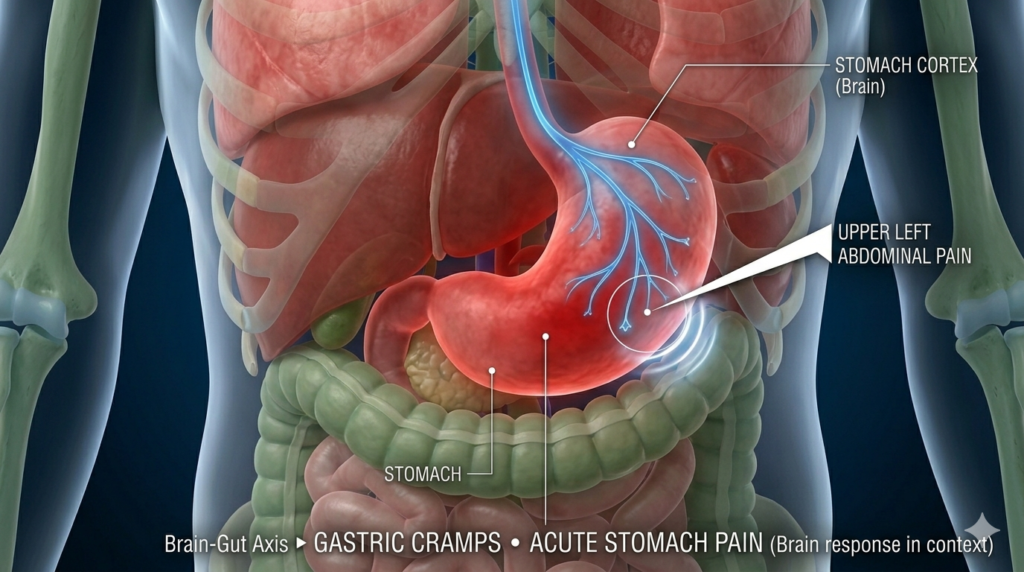
Stomach pain is one of the most common health complaints people experience. It can range from mild discomfort to severe pain that disrupts daily life. Understanding Why does My Stomach Pain is important for finding the right treatment and knowing when to seek medical attention.
Common Causes of Stomach Pain
There are many reasons why your stomach might hurt. Some causes are harmless and temporary, while others may require medical care.
1. Indigestion
Indigestion occurs when your digestive system struggles to break down food properly. It often causes a burning sensation, bloating, and discomfort after eating. Overeating, eating too fast, or consuming spicy and fatty foods can trigger this condition.
2. Gas and Bloating
Gas buildup in the stomach or intestines can lead to sharp or cramp-like pain. This is usually harmless and can happen due to swallowing air, eating gas-producing foods, or digestive issues.
3. Food Intolerance
Certain foods may not suit your digestive system. For example, lactose intolerance can cause stomach pain, diarrhea, and bloating after consuming dairy products. Trigger foods may be identified and avoided to help control symptoms.
Medical Conditions That Cause Stomach Pain
Sometimes, stomach pain may indicate an underlying health condition.
1. Gastritis
The inflammation of the stomach lining is called gastritis. It can cause burning pain, nausea, and vomiting. It is often linked to infections, excessive alcohol use, or prolonged use of painkillers.
2. Ulcers
Stomach ulcers are sores in the stomach lining that cause sharp pain, especially when the stomach is empty. They may worsen after eating or at night.
3. Irritable Bowel Syndrome (IBS)
IBS is a chronic condition that affects the digestive system. Symptoms include abdominal pain, bloating, constipation, and diarrhea. Stress and certain foods often trigger IBS symptoms.
4. Food Poisoning
Consuming contaminated food or water can lead to food poisoning. It typically causes stomach cramps, vomiting, diarrhea, and fever. Symptoms usually appear within hours of eating spoiled food.
When Should You Be Concerned?
Not all stomach pain is serious, but some symptoms require immediate medical attention. Seek help if you experience:
- Severe or persistent pain
- Blood in vomit or stool
- High fever
- Sudden weight loss
- Difficulty breathing
These symptoms might point to a more severe underlying ailment that needs quick medical care.
Home Remedies for Stomach Pain
For mild stomach pain, simple home remedies can provide relief.
1. Stay Hydrated
Drinking enough water helps digestion and reduces discomfort caused by gas or constipation.
2. Eat Light Foods
Stick to bland foods like rice, bananas, and toast until your stomach feels better.
3. Use Warm Compress
Applying a warm heating pad to your abdomen can help relax muscles and ease pain.
4. Avoid Trigger Foods
Spicy, oily, and processed foods can worsen stomach pain. Try to identify and avoid foods that cause discomfort.
Preventing Stomach Pain
Prevention is always better than cure. Follow these tips to keep your digestive system healthy:
- Eat balanced meals at regular intervals
- Avoid overeating
- Maintain proper hygiene
- Manage stress levels
- Exercise regularly
So, Why does My Stomach Pain? Stomach pain can have many causes, from simple indigestion to serious medical conditions. Paying attention to your symptoms and lifestyle habits can help you identify the cause and find relief. If the pain is severe or continuous, it‘s crucial to seek medical attention for an accurate diagnosis and course of therapy.
Liver Cancer Symptoms Cause and Remedy
Read Also: Medical Website Design