Cats are mysterious, independent, and incredibly expressive animals. One of their most recognizable behaviors is purring—a soft, rhythmic sound that instantly creates a sense of calm. But have you ever wondered, Why do Cats Purr? While many people assume it simply means happiness, the truth is far more fascinating. In this article, we’ll explore the real reasons behind cat purring and what it tells you about your feline friend.
What Is Purring?
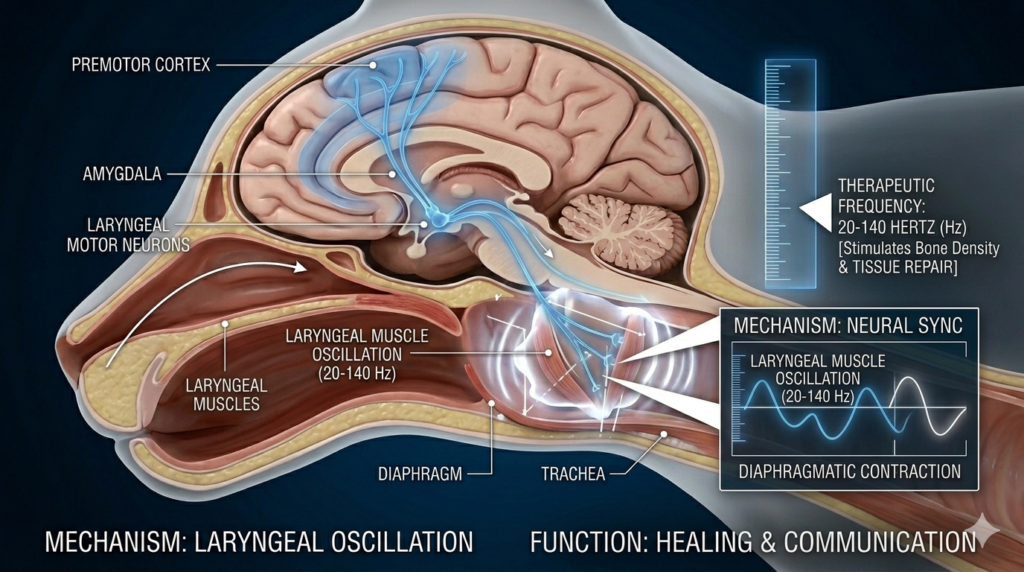
Purring is a continuous, vibrating sound produced by cats through the rapid movement of their laryngeal (voice box) muscles. This causes a separation of the vocal cords during both inhalation and exhalation, creating that familiar soothing hum. Unlike other vocalizations such as meowing or hissing, purring is unique because it occurs in a steady, rhythmic pattern.
Cats Purr When They Are Happy
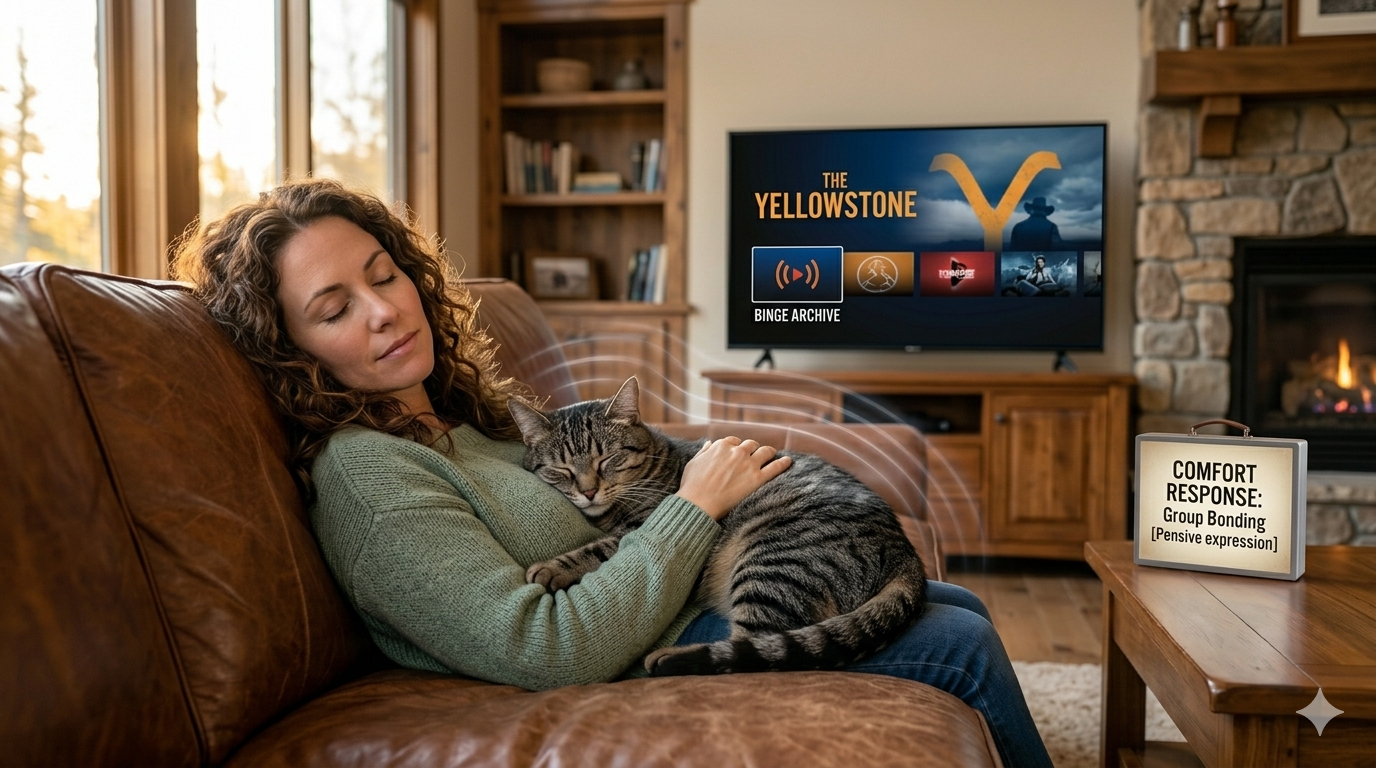
The most common reason cats purr is simple: they are content and relaxed. You may notice your cat purring while being petted, curled up in a cozy spot, or sitting on your lap. This type of purring is usually accompanied by calm body language—slow blinking, kneading, or a relaxed posture.
For pet owners, this is often the most rewarding moment. In your presence, your cat is expressing their sense of safety and comfort.
Purring as a Form of Communication
Cats also use purring to communicate with humans and other animals. For example, kittens begin purring just a few days after birth to signal their mother that they are safe and feeding well. Adult cats may use purring to get your attention, especially when they want food or affection.
Interestingly, some cats produce a slightly different “solicitation purr” that blends a purr with a higher-pitched cry. This specific sound is hard for humans to ignore and is often used when your cat wants something urgently—like breakfast!
Do Cats Purr When They Are Stressed or in Pain?
Yes, cats sometimes purr even when they are not happy. This may seem confusing, but purring can also occur in stressful or painful situations. Cats have been observed purring during visits to the vet, after injuries, or even while giving birth.
In these cases, purring is believed to serve as a self-soothing mechanism. It helps cats calm themselves in uncomfortable situations and may even play a role in healing.
The Healing Power of Purring
One of the most fascinating theories about why cats purr relates to healing. Research suggests that the frequency of a cat’s purr (typically between 25 and 150 Hz) may promote tissue regeneration, reduce pain, and improve bone density.
The reason why cats frequently heal from injuries so quickly might be due to this. Some scientists also believe that being around a purring cat can have calming and stress-reducing effects on humans, potentially lowering blood pressure and improving overall well-being.
Purring Strengthens the Human-Cat Bond
Purring isn’t just about the cat—it also plays an important role in strengthening the bond between cats and their owners. The sound is naturally soothing to humans, creating a sense of peace and emotional connection.
When your cat purrs while sitting beside you, it builds trust and reinforces your relationship. Over time, this shared comfort can make your bond even stronger.
When Should You Be Concerned?
Although purring is usually a positive sign, it’s important to pay attention to the context. If your cat is purring while showing signs of distress—such as hiding, reduced appetite, or unusual behavior—it could indicate pain or illness.
In such cases, it’s best to consult a veterinarian to ensure your pet’s health and well-being.
So, Why do Cats Purr? The answer is not as simple as happiness alone. Cats purr to express contentment, communicate, comfort themselves, and even promote healing. This unique behavior is a powerful tool that helps cats interact with the world around them.
Essential Pet Grooming Tips for a Healthy and Happy Pet
Tips and Tricks to Train your pet successfully
Read Also: Top 10 Health Benefits of Having a Pet